

 SkillClick
School Mini Bus: A Practical Guide for Safe and Reliable School Transport
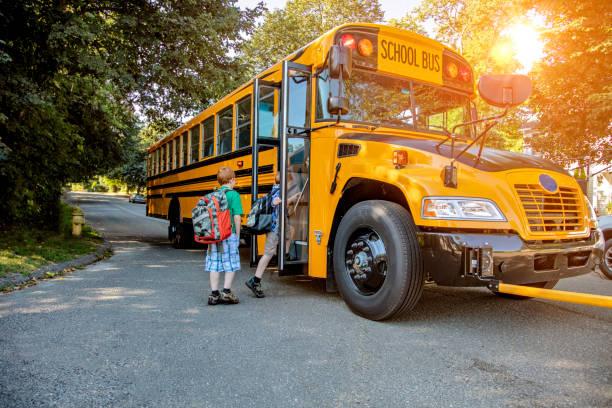
A school mini bus gives schools a practical way to transport pupils, teachers and staff. It works well for school trips, sports fixtures, educational visits and regular transport needs. The right vehicle also helps schools manage group travel without arranging several cars or relying on public transport.
In the UK, a minibus normally has between 9 and 16 passenger seats, excluding the driver. Category D1 covers vehicles with up to 16 passenger seats and a maximum length of 8 metres.
If you are arranging transport for pupils, you need to look beyond vehicle size. Driver qualifications, insurance, seat belts, maintenance and passenger needs all matter.
What Is a School Mini Bus?
A school mini bus is designed to carry a small group of pupils and staff in one vehicle. Schools often use these vehicles for:
• School trips
• Sports competitions
• Music and drama events
• Educational visits
• Inter-school activities
• After-school clubs
• Residential trips
• Local transport between school sites
A typical minibus carries up to 16 passengers. This makes it useful for smaller groups where a full-size coach would be unnecessary.
For larger groups, schools often use several minibuses or combine minibuses with coaches.
Why Schools Use Mini Buses
Transport planning becomes easier when pupils travel together. A school mini bus reduces the number of vehicles needed for smaller groups and gives staff better control over departure and arrival times.
It also helps with activities outside the school grounds.
For example, a school sending 14 pupils to a sports fixture might use one 16-seat minibus with a member of staff. The same vehicle could support another activity later in the day.
When you arrange School Mini Bus Hire, check the number of passengers first. Avoid selecting a vehicle based only on the advertised seat count. Allow space for required equipment, luggage and accessibility needs.
Choosing the Right Vehicle
Start with the journey rather than the vehicle.
Ask yourself:
• How many pupils are travelling?
• How many adults need to travel?
• How far is the journey?
• Will pupils carry sports equipment or luggage?
• Does anyone need wheelchair access?
• Will the journey involve motorways?
• Is the trip local or long distance?
A 9 to 16-seat minibus suits smaller groups. Larger groups need a different transport plan.
You should also inspect the vehicle before booking. Check the condition of the seats, belts, tyres, lights and doors. Ask the operator about maintenance and inspection records where appropriate.
Driver Requirements
Driver eligibility depends on how the vehicle is being used.
A full D1 entitlement covers minibuses with up to 16 passenger seats.
Some school staff members with a car licence also qualify to drive a minibus under specific conditions. For example, certain drivers must be at least 21, have held a category B licence for at least two years and meet other requirements. The vehicle must also meet weight and usage conditions.
Rules differ when passengers pay for transport or when a commercial operator provides the service.
If you use School Mini Bus Hire from a transport company, confirm the driver's licence and operator requirements before making arrangements.
Seat Belts and Passenger Safety
Seat belts deserve close attention when transporting pupils.
Requirements for seat belts in minibuses vary according to vehicle age, weight and seating arrangement.
Your school should also have clear rules for boarding, seating and seat belt use.
Before departure:
• Count every passenger
• Check each passenger has a seat
• Make sure fitted seat belts are used
• Keep aisles and exits clear
• Secure bags and equipment
• Check doors are properly closed
• Confirm the driver has the correct route information
Children have specific rules when travelling in minibuses. Where a child seat or adult seat belt is fitted, children aged three or older should use the appropriate restraint. If neither is fitted, children must travel in rear seats behind the driver.
Plan the Journey Properly
Good transport planning starts before the vehicle arrives.
Create a passenger list and keep emergency contact details available to authorised staff. Share the route and expected timings with relevant school staff.
For longer journeys, plan suitable breaks. Check traffic conditions before departure and allow extra time for busy roads.
If pupils have medical, mobility or accessibility requirements, discuss these with the transport provider before the trip.
Do not leave accessibility planning until the day of travel.
Check the Operator
If you are paying for School Mini Bus Hire, research the operator before booking.
Look for:
• Appropriate licensing
• Qualified drivers
• Suitable insurance
• Well-maintained vehicles
• Clear booking terms
• Reliable communication
• Appropriate accessibility options
Ask what happens if the vehicle breaks down. A clear contingency plan matters during school trips.
You should also confirm the total price before agreeing to the booking. Ask whether the quoted amount includes driver costs, mileage, waiting time, parking and other charges.
School Mini Bus Hire for Trips and Activities
School trips often involve fixed arrival times. A late vehicle can affect entry times, bookings and lesson schedules.
Book transport early when travelling during busy school periods. Give the operator accurate passenger numbers and luggage requirements.
For sports fixtures, provide details about equipment. Hockey sticks, musical instruments and other bulky items require suitable storage.
For residential trips, check luggage capacity as well as passenger seating.
Build a Simple Transport Checklist
Use a checklist for every journey:
• Confirm passenger numbers
• Check driver details
• Confirm vehicle capacity
• Review insurance and licensing requirements
• Check seat belts and vehicle condition
• Confirm pickup and return times
• Prepare emergency contacts
• Plan breaks for longer journeys
• Confirm accessibility requirements
• Share the itinerary with responsible staff
A short checklist reduces avoidable problems.
Final Planning Tips
A school mini bus works best when the vehicle, driver and journey all match your requirements. Focus on passenger numbers, safety equipment, driver eligibility and the nature of the trip.
When comparing School Mini Bus Hire options, do not choose on price alone. Check what the booking includes, assess the operator's credentials and confirm the vehicle suits your pupils.
For schools, reliable transport starts with careful planning. Choose the right capacity, prepare your staff and pupils, check the legal requirements and keep safety at the centre of every journey.
- Managerial Effectiveness!
- Future and Predictions
- Motivatinal / Inspiring
- Fitness and Wellness
- Medical & Health
- Manufacturing
- Εκπαίδευση
- Real-Estate
- Food Industry
- Hospitality
- Online Games
- Sports
- Home Services
- Civil Engineering
- Safety and Protection
- Software Products & Services
- Fashion and Jewellery
- Artificial Intelligence
- Entrepreneurship
- Mentoring & Guidance
- Marketing
- Networking
- HR & Recruiting
- Literature
- Shopping
- Career Management & Advancement