

 SkillClick
Custom Embroidered Patches Cost: What to Expect and How to Save
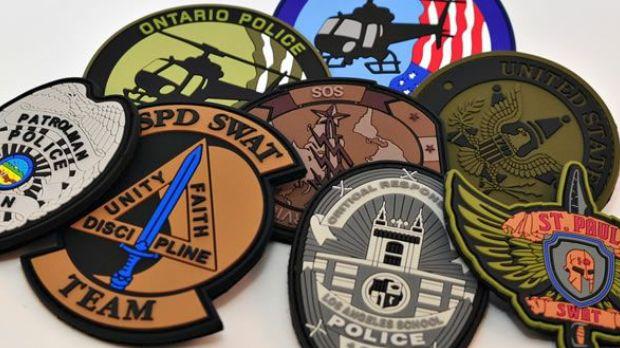
Custom embroidered patches have a way of turning a plain jacket, cap, or backpack into something personal. They're used to celebrate a milestone, rally a team around a shared identity, or put a company's logo in front of customers in a way that feels tangible rather than digital. But before you commit to an order, it helps to understand what you're actually paying for — and where you can trim costs without sacrificing quality.
This guide breaks down the real numbers behind embroidered patch pricing, the variables that push costs up or down, and practical ways to keep your budget under control.
What Drives the Price of a Custom Embroidered Patch?
There's no single price tag for embroidered patches because so many variables come into play. Here's a rough breakdown of what you can expect at different price points:
- Around $1.50 and up per patch — Bulk orders with simple shapes, basic thread palettes, and standard backing. Great for large-volume runs where the design stays straightforward.
- $2.00–$3.50 per patch — A step up in quality, with more thread color options, merrowed borders, and add-ons like iron-on backing. This range works well for clubs, small businesses, and sports teams that want a polished look without a premium price.
- $3.50–$5.00 per patch — Intricate, multi-color designs or detailed graphics that require more precise stitching and specialized techniques.
- $5.00–$8.00 per patch — Premium materials such as leather, PVC, or mohair enter the picture here, with cost varying based on thickness, texture, and finishing.
- $8.00–$10.00+ per patch — Small orders, rush turnaround, or heavily customized features like glow-in-the-dark thread, metallic accents, or Velcro backing. Rush production alone can add 20–50% to the base cost.
Factors That Influence Your Final Price
Several variables combine to determine what you'll actually pay:
Size. Bigger patches need more fabric, thread, and stitching time, which raises the cost proportionally.
Thread count and stitch density. More colors and denser stitching mean more production time — and a higher price.
Order quantity. Larger orders bring the per-unit price down significantly, while small runs cost more per piece.
Backing type. Iron-on, Velcro, and adhesive backings typically cost more than standard sew-on options.
Design complexity. Detailed artwork with fine lines or many colors takes longer to digitize and stitch.
Material choice. Twill is the most economical base fabric; leather, PVC, and specialty textiles cost more.
Shape. Custom die-cut shapes are pricier than standard circles, squares, or rectangles.
Turnaround time. Rush orders almost always carry a premium.
Design assistance. If you need help refining artwork, expect an added fee — unless your supplier bundles this into the service.
Production location. Local manufacturers sometimes charge more than overseas wholesale providers, though this isn't a hard rule.
Types of Patches and How They Affect Cost
Different patch styles come with different price expectations:
- Standard embroidered patches — thread-on-twill, ideal for uniforms, jackets, and hats.
- Woven patches — finer threads suited to detailed text and imagery.
- Chenille patches — soft, textured, and popular on varsity jackets.
- PVC or rubber patches — durable and weatherproof, great for outdoor gear.
- Sublimated (printed) patches — photo-quality designs printed directly onto fabric.
- Leather patches — a premium look for bags, hats, and coats.
- Metallic thread patches — gold or silver accents for an upscale finish.
- Glow-in-the-dark patches — specialty thread that lights up in low light.
- Oversized patches — larger formats for jackets or banners, typically priced higher.
How to Design Your Patch Before You Order
One of the easiest ways to control cost from the start is to nail down your design early using a custom patch designer online. These tools let you upload artwork, adjust colors, preview sizing, and get an instant sense of how your patch will look before it goes into production — which cuts down on costly revisions later and helps you compare quotes across suppliers using the same finalized design.
Practical Ways to Save Money
You don't have to compromise on quality to keep costs reasonable. Consider these strategies:
- Simplify the design. Fewer thread colors and less intricate detail lower production time and cost.
- Stick to standard shapes. Circles and rectangles are cheaper to produce than custom die-cuts.
- Order in bulk. Buying wholesale spreads fixed costs across more units, lowering the price per patch.
- Choose simpler backing. Sew-on backing is more budget-friendly than premium options like Velcro.
- Use economical fabrics. Cotton blends and standard twill look great and cost less than leather or specialty materials.
- Get multiple quotes. Pricing varies more than most people expect — compare several manufacturers before committing.
- Stick to digital proofs. Skip physical samples unless you genuinely need to feel the material in hand.
- Watch for seasonal deals. Many suppliers run promotions at certain times of year.
- Plan ahead. Giving your manufacturer enough lead time avoids rush fees entirely.
Choosing the Right Manufacturer
Price isn't the only thing that matters — the right supplier will save you money over the long run by getting the order right the first time. When evaluating manufacturers:
- Read reviews and check their track record.
- Request samples to judge stitch quality and finishing in person.
- Get quotes from more than one vendor.
- Ask about minimum order quantities, since these affect both flexibility and cost.
- Confirm turnaround times up front.
- Clarify payment terms before placing an order.
- Ask about bulk discount tiers.
- Pay attention to communication — responsiveness tends to correlate with fewer production issues.
- Review the return or reprint policy in case the final product doesn't match expectations.
Common Myths About Patch Pricing
A few misconceptions tend to inflate people's expectations of cost:
- "All patches are expensive." Pricing actually varies widely based on size, design, and quantity.
- "Only huge orders get discounts." Many suppliers offer bulk pricing at more modest quantities too.
- "More thread always means better quality." Simpler designs can look just as sharp, and cost less.
- "Material doesn't affect price." It does — twill, leather, and PVC all carry different cost profiles.
- "Small runs aren't available." Plenty of manufacturers happily handle low-volume orders.
- "Digitizing always costs extra." Many suppliers fold this into their standard service.
- "Local production is always cheaper." Sometimes overseas suppliers offer better value even after shipping.
Making the Process Even Easier
If you're new to custom patches, it's worth learning how to make a patch online from start to finish — from sketching or uploading your artwork, to selecting size, backing, and material, to reviewing a digital mockup before anything goes into production. Doing this homework upfront means fewer surprises on your invoice and a final product that actually matches what you had in mind.
Final Thoughts
Custom embroidered patches offer a flexible, tactile way to personalize gear, promote a brand, or mark an achievement — and the cost is far more manageable than many people assume once you understand what's driving it. Size, material, design complexity, backing, and order volume all play a role, and small adjustments in any of these areas can meaningfully change your final price. Whether you're ordering a handful of patches for a personal project or planning a large wholesale run, taking time to plan your design and compare suppliers will help you get a great result without overspending.
FAQ
Are patches cheaper than embroidery done directly on a garment? Usually yes, especially for larger or more detailed designs, since a patch can be produced separately and applied later.
What affects the cost of an embroidered shirt? Thread type, stitch count, and the quality of the garment itself all factor into the final price.
How should I price patches if I plan to resell them? Base your pricing on size, design complexity, materials, backing type, and the quantity you're ordering — these are the same variables that determine your production cost.
Can I get a custom patch made without a large minimum order? Yes — many manufacturers accommodate small runs, though the per-unit price will typically be higher than a bulk order.
- Managerial Effectiveness!
- Future and Predictions
- Motivatinal / Inspiring
- Fitness and Wellness
- Medical & Health
- Manufacturing
- Education
- Real-Estate
- Food Industry
- Hospitality
- Online Games
- Sports
- Home Services
- Civil Engineering
- Safety and Protection
- Software Products & Services
- Fashion and Jewellery
- Artificial Intelligence
- Entrepreneurship
- Mentoring & Guidance
- Marketing
- Networking
- HR & Recruiting
- Literature
- Shopping
- Career Management & Advancement