

 SkillClick
Key Factors to Evaluate Before DHI Direct Hair Implant in Dubai
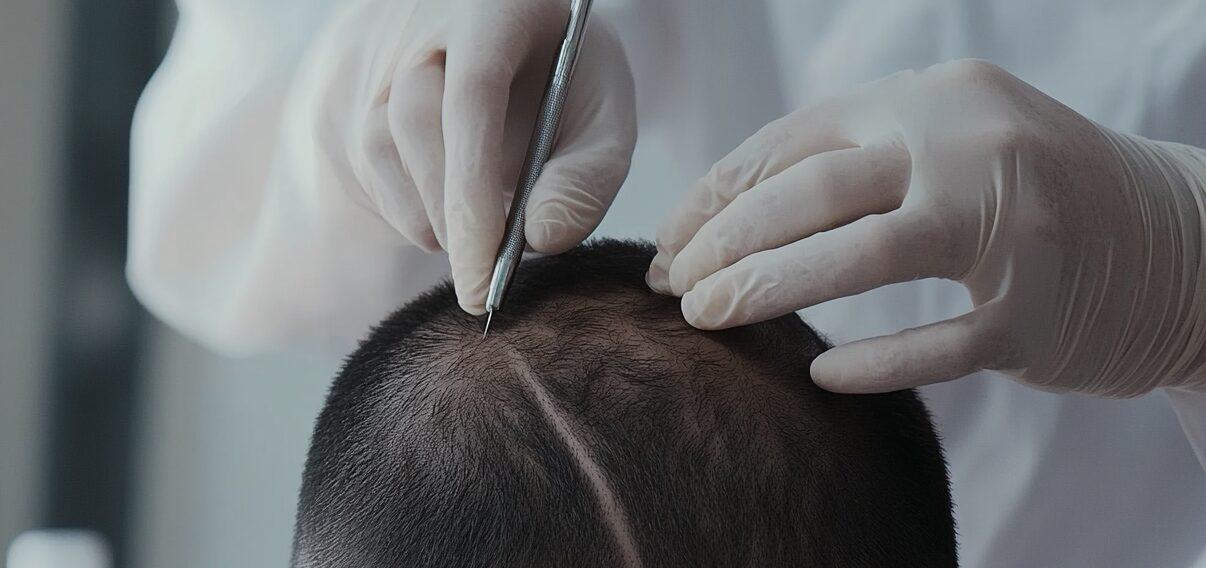
Choosing a hair restoration procedure requires more than comparing treatment names or looking at before-and-after photographs. The quality of the consultation, the suitability of the technique, the clinician’s expertise, donor-area condition, and the overall treatment plan can all influence the experience and potential outcome. For anyone considering DHI Direct Hair Implant in Dubai, it is important to approach the decision as a medical evaluation rather than simply a cosmetic purchase.
DHI, commonly associated with direct implantation of follicular units, is a hair transplantation approach in which extracted grafts are implanted into recipient areas using an implantation device. Its suitability can vary significantly between individuals. Hair loss pattern, hair calibre, donor density, scalp condition, age, and the underlying cause of hair loss should all be assessed before treatment is recommended.
Dubai offers access to modern aesthetic and hair-restoration services, but having advanced equipment does not automatically mean that a particular approach is appropriate for every patient. A responsible provider should first determine whether transplantation is suitable and explain what can realistically be achieved.
Patients should therefore evaluate the complete treatment pathway, from the initial consultation and diagnosis through graft extraction, implantation, aftercare, and long-term hair-loss management. Understanding these factors can make it easier to compare providers objectively and select care that prioritizes safety, suitability, and natural-looking results.
Understanding the Treatment Approach
Before proceeding, patients should understand exactly what the proposed procedure involves. During DHI transplantation, individual follicular units are generally extracted from a donor region and placed into areas affected by hair thinning or loss.
The treatment may provide precise control over graft placement, but the technique itself is only one part of the result. Surgical planning, graft handling, recipient-site design, extraction technique, and implantation strategy can have a major effect on the final appearance.
A consultation should explain which areas are suitable for transplantation and whether additional medical treatment may be appropriate for ongoing hair loss.
Assessing Professional Experience
One of the most important factors is the qualifications and practical experience of the medical professional performing or supervising the procedure. Patients should ask who will carry out each stage of treatment rather than assuming that every task will be performed by the same clinician.
Experience with different hair-loss patterns is particularly valuable because a treatment plan for early recession may differ considerably from one for advanced thinning.
A qualified professional should also be comfortable discussing limitations. Promising a particular density or guaranteed growth without considering individual characteristics should be viewed cautiously.
Evaluating Technology and Technique
Technology can support consistency and precision, but equipment should not be treated as a substitute for clinical expertise. Patients considering DHI Direct Hair Implant in Dubai should ask which extraction and implantation methods are being proposed and why they are appropriate for their particular case.
It is also useful to understand how grafts are protected between extraction and implantation. Follicular units are delicate structures, and careful handling is an important part of transplantation.
The consultation should provide an understandable explanation of the procedure rather than relying exclusively on technical terminology or promotional claims.
Checking Safety and Clinical Standards
Hair transplantation is a medical procedure, so safety should remain a central consideration. Patients should evaluate whether the facility follows appropriate infection-control procedures, uses sterile equipment, and maintains suitable clinical standards.
The provider should also discuss medical history, allergies, medications, previous procedures, scalp conditions, and any factors that could affect treatment.
A proper assessment should include an explanation of potential risks and complications. These may include swelling, discomfort, temporary shedding, infection, scarring, poor graft growth, or an unnatural appearance if planning or execution is inadequate.
Examining the Consultation Process
A detailed consultation can reveal a great deal about the quality of care. Patients should expect an assessment of the scalp and donor area rather than receiving a recommendation based only on photographs.
The consultation should address the cause and pattern of hair loss, available donor follicles, desired density, hairline design, and realistic expectations.
A strong treatment plan should also consider the future. Hair loss can continue after transplantation, meaning that long-term planning may be necessary to preserve a balanced appearance.
Considering Hairline Design and Natural Appearance
A successful transplant is not simply about placing as many grafts as possible. Hairline position, angle, direction, spacing, and transition zones all contribute to a natural-looking result.
The clinician should consider facial proportions and existing hair characteristics when planning the recipient area. Excessively low or sharply defined hairlines may look unnatural over time, particularly if native hair continues to thin.
Patients should therefore ask to see relevant clinical examples and discuss how the proposed design relates to their individual features.
Understanding Recovery and Aftercare
Before treatment, patients should understand what recovery involves. Temporary redness, swelling, sensitivity, crusting, and shedding can occur during the healing process, although individual experiences vary.
Aftercare instructions may cover washing, sleeping position, physical activity, sun exposure, scalp care, and medication. Patients should also know whom to contact if they experience unexpected symptoms.
Follow-up appointments can help the medical team monitor healing and assess progress over time. Because transplanted hair develops gradually, patients should have realistic expectations about when visible changes may occur.
Setting Realistic Expectations
Hair transplantation cannot recreate unlimited hair density. The available donor supply is finite, and the achievable result depends on factors such as donor density, hair thickness, the size of the recipient area, and the progression of hair loss.
Patients should be cautious of providers who present transplantation as a guaranteed solution. A professional assessment should explain both the potential benefits and the limitations.
For DHI Direct Hair Implant in Dubai, the goal should generally be a sustainable and natural-looking improvement that fits the patient’s existing hair characteristics rather than an unrealistic promise of complete restoration.
Comparing the Overall Patient Experience
Cost should not be the only consideration when comparing providers. Patients should also assess communication, transparency, accessibility, consultation quality, treatment planning, and follow-up arrangements.
Questions should be answered clearly before consent. Patients should understand what is included in the treatment pathway, who is responsible for their care, what follow-up is available, and what happens if concerns arise during recovery.
A professional environment should make patients feel informed rather than pressured into making a rapid decision.
Frequently Asked Questions
Is DHI suitable for everyone with hair loss?
No. Suitability depends on the cause and extent of hair loss, donor-area availability, scalp health, age, and other individual factors. A professional assessment is necessary before deciding whether transplantation is appropriate.
How should I evaluate a provider before treatment?
Consider professional qualifications, hair-transplant experience, clinical standards, treatment planning, graft-handling methods, consultation quality, aftercare, and the transparency of information provided.
Can DHI restore a completely bald area?
The answer depends on donor-graft availability and the size of the recipient area. Extensive baldness may limit the amount of coverage that can realistically be achieved.
How long does it take to see the final result?
Hair transplantation is a gradual process. Initial shedding can occur, followed by new growth over subsequent months. The timing and extent of visible improvement vary between individuals.
Should I consider ongoing hair-loss treatment after transplantation?
It may be appropriate for some patients, particularly when native hair remains vulnerable to continued thinning. A qualified clinician can assess the underlying hair-loss pattern and discuss suitable long-term management.
Conclusion
Selecting a hair-transplant provider should be based on clinical competence, appropriate technique, safety, realistic planning, and long-term patient care rather than marketing claims alone. A thorough consultation should explain whether transplantation is appropriate, what can realistically be achieved, and how the treatment fits into the patient’s future hair-loss strategy. By carefully evaluating these factors before choosing DHI Direct Hair Implant, patients can make a more informed decision and approach hair restoration with realistic expectations.
- Managerial Effectiveness!
- Future and Predictions
- Motivatinal / Inspiring
- Fitness and Wellness
- Medical & Health
- Manufacturing
- Education
- Real-Estate
- Food Industry
- Hospitality
- Online Games
- Sports
- Home Services
- Civil Engineering
- Safety and Protection
- Software Products & Services
- Fashion and Jewellery
- Artificial Intelligence
- Entrepreneurship
- Mentoring & Guidance
- Marketing
- Networking
- HR & Recruiting
- Literature
- Shopping
- Career Management & Advancement