

 SkillClick
Comprehensive Guide to Flat Roofs: Types, Benefits, Maintenance, and Costs
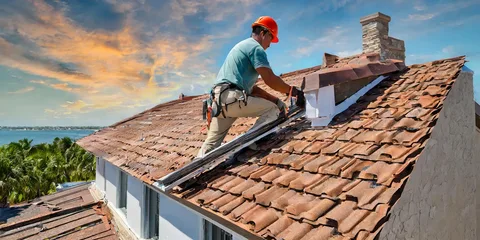
Flat roofs have evolved far beyond their industrial origins. Today, they are a defining feature of modern architecture, popular in both sleek residential designs and traditional commercial structures. Whether you are building a new home, upgrading your current structure, or looking for functional outdoor space, understanding how a flat roof system functions is essential.
Despite the name, a flat roof is never completely flat. It features a subtle slope—typically between 1/4 inch to 1/2 inch per foot—designed to direct water toward drains, scuppers, or gutters.
What is a Flat Roof System?
A flat roof is a low-slope roofing membrane designed to cover a building while creating usable upper surface area. Unlike traditional pitched roofs that shed water rapidly using gravity and shingles, flat roofs rely on continuous waterproof membranes to seal out moisture.
These systems are engineered using multiple protective layers:
-
Decking: The structural base (plywood, metal, or concrete).
-
Vapor Barrier: Prevents internal ambient moisture from reaching upper layers.
-
Insulation: Polyisocyanurate (polyiso), EPS, or mineral wool board.
-
Waterproof Membrane: The outer protective surface that resists weather exposure.
Common Types of Flat Roofing Materials
Choosing the right material dictates your roof’s performance, longevity, and price point. The three main categories of modern flat roof membranes are synthetic rubber, single-ply thermoplastics, and traditional built-up systems.
EPDM (Ethylene Propylene Diene Monomer)
EPDM is a durable synthetic rubber material widely used in residential and commercial settings.
-
Pros: Highly durable, UV-resistant, and relatively easy to patch.
-
Cons: Dark color absorbs heat (though white topcoats are available); seams can pull apart over time if installed with lower-grade adhesives.
TPO (Thermoplastic Polyolefin)
TPO is a popular single-ply roofing membrane known for its energy-efficient heat-reflective properties.
-
Pros: Naturally white surface reflects sunlight, keeping cooling costs low; seams are heat-welded for high seam strength.
-
Cons: Formulations vary by manufacturer, meaning quality across brands can be inconsistent.
PVC (Polyvinyl Chloride)
PVC is a high-performance thermoplastic option known for structural strength and chemical resistance.
-
Pros: Fire-resistant, incredibly strong welded seams, and resistant to oil, grease, and animal fats (ideal for commercial kitchens).
-
Cons: Higher material costs compared to EPDM and TPO.
Modified Bitumen & BUR (Built-Up Roof)
Traditional flat roofs often use Built-Up Roofing (layers of asphalt and felt topped with gravel) or Modified Bitumen (asphalt reinforced with fiberglass or polyester).
-
Pros: Excellent resistance to foot traffic; thick, multi-layer protection.
-
Cons: Heavy installation weight; susceptible to thermal cracking over time.
Major Advantages of Installing a Flat Roof
Flat roofing systems offer distinct advantages over steep-slope designs, particularly regarding space utilization and utility accessibility.
-
Extra Functional Space: Transform unused space into a rooftop deck, patio, or green garden area.
-
Easier HVAC Installation: Outdoor AC units, heat pumps, and ventilation systems can be safely installed out of sight on the roof.
-
Simplified Solar Panel Setup: Photovoltaic arrays can be installed at optimal angles without adjusting for steep pitch lines.
-
Lower Construction Costs: Flat roofs require fewer framing materials and less labor than complex gable or hip roofs.
Key Challenges and Disadvantages to Consider
While low-slope systems provide extra usability, they require diligent maintenance to prevent structural issues.
-
Ponding Water: If drainage is poorly designed, standing water can sit on the surface for more than 48 hours, accelerating membrane breakdown.
-
Shorter Lifespan: Traditional flat systems generally last 15–25 years, whereas high-end slate or standing-seam metal pitched roofs can exceed 50 years.
-
Routine Maintenance Demands: Gutters, scuppers, and drains must remain clear of leaves and debris to prevent backing up during heavy rain.
Cost Breakdown: What Should You Expect to Pay?
The total investment for installing or replacing a low-slope roof depends on square footage, tear-off needs, insulation requirements, and material selection.
| Roofing Material | Average Installed Cost (per sq. ft.) | Expected Lifespan |
| EPDM Rubber | $4.50 – $8.00 | 20 – 30 Years |
| TPO Single-Ply | $5.50 – $9.50 | 15 – 25 Years |
| PVC Thermoplastic | $7.00 – $12.00 | 20 – 30 Years |
| Modified Bitumen | $4.00 – $7.50 | 12 – 20 Years |
| Built-Up Roof (BUR) | $4.50 – $8.50 | 15 – 20 Years |
How Proper Drainage Systems Work
Water management is the most critical element of flat roof engineering. Without proper drainage pathways, moisture will find the path of least resistance into your ceiling.
Internal Drains
Positioned near the center of the roof, internal drains collect water and route it down pipes running through the building's interior structure. They are ideal for large commercial footprints.
Scuppers
Scuppers are open outlets cut into the perimeter walls (parapets). Water flows off the roof edge, through the scupper, and down a conductor head into external downspouts.
Continuous Gutters
For low-slope residential structures without parapet walls, continuous seamless gutters are installed along the lowest edge to catch runoff directly.
Essential Maintenance Tips for Maximum Lifespan
Routine preventive care doubles the effective life of your roof membrane. Follow this checklist:
-
Clear Debris Twice Annually: Remove leaves, branches, and trash from drains, scuppers, and gutter lines every spring and fall.
-
Inspect Seams and Flashing: Check edges, skylight curbs, and vent penetrations for loose adhesive, cracking, or lifting edges.
-
Trim Overhanging Trees: Eliminate branches that drop debris or risk falling during high-wind storms.
-
Check for Ponding Water: Walk the surface 24 to 48 hours after heavy rainfall to identify low spots that retain standing pools of water.
Energy Efficiency and Green Roof Options
Modern low-slope roofs are valuable assets for lowering building energy usage.
Cool Roof Systems
By selecting a highly reflective white TPO or PVC surface, your building reflects up to 80% of solar heat away from the structure. This lowers internal ambient temperatures and reduces air conditioning demand during summer peak hours.
Vegetative (Green) Roofs
Green roofs place a specialized growth medium and vegetation over waterproof membranes. They provide thermal insulation, reduce stormwater runoff by absorbing rainfall, and lower urban heat island effects.
DIY vs. Professional Installation
While minor patching on an EPDM surface can be handled by an experienced homeowner, complete installation requires specialized skills and tools.
Thermoplastic membranes like TPO and PVC demand hot-air welding equipment to fuse seams permanently. Improperly welded seams or poorly sealed flashing details are the leading causes of premature leaks. Hiring a qualified roofing contractor ensures manufacturer warranties remain valid and structural codes are met.
How to Choose the Right Flat Roof Contractor
When vetting local installation companies, ensure you review their qualifications thoroughly:
-
Check Certifications: Confirm they hold certified installer status with top manufacturers (e.g., GAF, Carlisle, Firestone).
-
Verify Insurance Coverage: Ensure full general liability and workers' compensation coverage for low-slope applications.
-
Request Local References: Examine past low-slope projects in your region to verify quality of work over time.
Conclusion
A modern flat roof offers a practical, clean design that maximizes usable space while keeping installation and construction costs controlled. By matching the right roofing material—whether EPDM, TPO, or PVC—to your climate and budget, and maintaining proper drainage clear of debris, you ensure decades of reliable, leak-free protection.
Frequently Asked Questions (FAQs)
What is the average lifespan of a flat roof?
Most modern systems last between 15 and 30 years, depending on the material chosen, local climate conditions, and how consistently preventive maintenance is performed.
Why does water pool on my flat roof?
Water pooling (or ponding) occurs when drainage outlets are blocked or when sagging decking creates low spots. Standing water that remains for longer than 48 hours should be evaluated by a roofing professional to prevent premature membrane degradation.
Can you walk on a flat roof?
Yes, foot traffic is generally safe for maintenance purposes. However, if the surface is intended for frequent recreational use (like a deck or patio), a protective walkway pad or floating deck surface must be installed over the membrane to prevent punctures.
- Managerial Effectiveness!
- Future and Predictions
- Motivatinal / Inspiring
- Fitness and Wellness
- Medical & Health
- Manufacturing
- Onderwijs
- Real-Estate
- Food Industry
- Hospitality
- Online Games
- Sports
- Home Services
- Civil Engineering
- Safety and Protection
- Software Products & Services
- Fashion and Jewellery
- Artificial Intelligence
- Entrepreneurship
- Mentoring & Guidance
- Marketing
- Networking
- HR & Recruiting
- Literature
- Shopping
- Career Management & Advancement