

 SkillClick
Complete Guide to New Roof Installation: Process, Costs, and Expert Tips
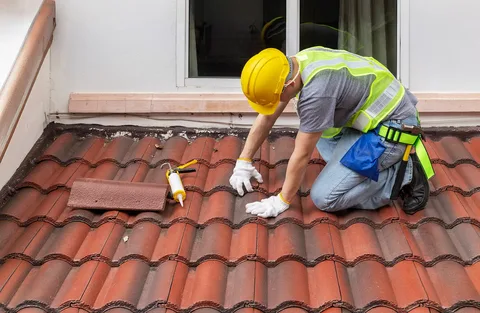
A new roof installation is one of the most significant investments you can make in your home. It protects your family from harsh weather, improves energy efficiency, enhances curb appeal, and increases your property's overall market value. However, diving into a major roofing project without proper preparation can feel overwhelming.
From choosing the right roofing material to picking a reliable contractor, understanding each step ensures your investment pays off for decades to come. This comprehensive guide covers everything you need to know about the new roof installation process, costs, materials, and long-term care.
What Is a New Roof Installation?
A new roof installation involves either completely replacing an old, failing roof (tear-off) or building a brand-new roof structure from scratch on a new construction home. Unlike simple roof repairs, which address localized damage such as a few missing shingles or minor leaks, a complete installation replaces the outer roofing material, underlying protection, and any damaged structural decking underneath.
Knowing when to move beyond quick fixes is crucial. If your current roof shows widespread structural sagging, persistent leaks across multiple rooms, or has simply reached the end of its natural lifespan, a complete installation is usually the most cost-effective solution over time.
Signs You Need a Complete Roof Replacement
Before spending money on minor repairs, inspect your roof for signs that indicate it is time for a full replacement. Identifying these warning signs early helps prevent structural damage to your home’s framework.
1. Age of the Roof
Most standard asphalt shingle roofs last between 20 and 25 years. If your roof was installed over two decades ago, it has likely reached the end of its functional life, even if it looks acceptable from the ground.
2. Curling, Cracked, or Missing Shingles
Shingles exposed to severe weather and UV radiation degrade over time. If you notice shingles curling up at the edges, losing granules in large quantities, or falling off completely, your roof no longer offers adequate weather defense.
3. Daylight and Leaks in the Attic
Go up to your attic on a bright day. If you see light piercing through the roof boards or notice water stains, dark mold patches, or damp insulation, water is actively penetrating the roofing barrier.
4. Sagging Roof Deck
A sagging roofline is a clear sign of structural compromise. This often happens when prolonged moisture rots the wooden rafters or plywood decking beneath the shingles.
Popular Roofing Materials: Comparison & Pros/Cons
Choosing the right material for your new roof affects not only your project budget, but also the longevity and visual style of your home.
| Roofing Material | Average Lifespan | Average Cost Range (per sq. ft.) | Key Advantages | Best For |
| Architectural Asphalt Shingles | 25 – 30 Years | $4.50 – $7.50 | Affordable, versatile, wide range of colors | Most suburban homes and budget-conscious owners |
| Standing Seam Metal | 40 – 70 Years | $9.00 – $16.00 | Fire-resistant, energy-efficient, long-lasting | Modern designs, areas prone to heavy snow or rain |
| Clay or Concrete Tile | 50 – 100 Years | $10.00 – $20.00 | Highly durable, elegant appearance, insect-proof | Mediterranean, Spanish, or Southwestern architecture |
| Natural Slate | 75 – 100+ Years | $15.00 – $30.00 | Virtually indestructible, premium aesthetics | High-end luxury homes with reinforced framing |
The Step-by-Step New Roof Installation Process
Understanding what happens on installation day makes the entire experience smooth and manageable. Here is how professional contractors approach a full installation.
Property Protection and Tear-off
Before touching a single shingle, the crew lays down heavy-duty tarps to protect your driveway, flowerbeds, outdoor furniture, and siding. They then strip away all existing shingles, nails, and underlayment down to the bare wood.
Deck Inspection and Repair
Once the old roof is removed, contractors inspect the wooden decking (plywood or oriented strand board). Any soft, water-damaged, or rotted sheets are removed and replaced to ensure a sturdy foundation for the new materials.
Drip Edge and Ice/Water Shield Installation
A metal drip edge is installed along the roof edges to direct water flow into gutters rather than under the fascia boards. Next, an ice and water protective membrane goes down along valleys, eaves, and around chimneys to prevent ice damming and severe leaks.
Synthetic Underlayment Application
The crew rolls out synthetic underlayment over the entire exposed roof deck. This acts as a durable secondary water barrier beneath your primary shingles or panels.
Installing the Primary Roofing Material
Starting at the bottom edge (eaves) and moving upward toward the ridge, installers lay down the main roofing material using specialized fasteners, ensuring precise overlap and alignment.
Flashing and Vent Installation
Custom metal flashing is fitted tightly around chimneys, skylights, plumbing stacks, and wall intersections to prevent water intrusion. Ridge vents or roof louvers are installed to ensure proper airflow through your attic space.
Final Cleanup and Site Inspection
The roofing crew thoroughly cleans up all debris and sweeps your lawn and driveway with heavy magnetic rollers to collect fallen nails. Finally, a project manager inspects the completed roof with you to ensure quality control.
Key Factors That Impact New Roof Installation Costs
Roofing costs vary widely depending on several key project factors:
-
Roof Size and Pitch: Roofing is measured in "squares" (one square equals 100 square feet). Steeper roofs require specialized safety gear and additional labor, which raises the final cost.
-
Material Selection: Basic 3-tab asphalt shingles cost significantly less than metal, slate, or tile.
-
Labor and Accessibility: High-rise homes, complex rooflines with multiple gables, or homes with limited access increase labor time and costs.
-
Permits and Local Codes: Municipal building permits and waste disposal fees vary by city and county.
How Proper Roof Ventilation Protects Your Investment
Many homeowners overlook attic ventilation during a roof project, but it plays a crucial role in overall roof lifespan. Without balanced intake and exhaust ventilation:
-
In Summer: Heat builds up in your attic, baking shingles from underneath and causing them to prematurely age and crack.
-
In Winter: Trapped warm, moist air condenses against the underside of the cold roof deck, causing wood rot, mold growth, and ice dams along the eaves.
Ensure your contractor reviews your attic’s ventilation setup before finalizing the installation plan.
How to Choose the Right Roofing Contractor
The quality of your installation depends just as heavily on contractor skill as it does on the materials used. Here is a quick checklist to help you select a trustworthy contractor:
-
Verify Licensing and Insurance: Always request proof of current general liability insurance and worker's compensation coverage.
-
Check Local References: Look for established local companies with solid reviews on independent platforms.
-
Get Written Estimates: Request itemized proposals detailing materials, labor, cleanup costs, and payment schedules from at least three contractors.
-
Ask About Warranties: A reliable contractor offers two distinct warranties: a manufacturer warranty covering material defects and a workmanship warranty covering installation labor.
Post-Installation Maintenance Best Practices
Once your new roof is installed, simple maintenance keeps it in optimal condition:
-
Clean gutters at least twice a year to prevent water back-ups.
-
Trim overhanging tree branches to prevent shingle damage and minimize leaf accumulation.
-
Schedule a quick visual inspection after major storms or high-wind events.
Conclusion
Investing in a new roof installation safeguards your home, improves energy efficiency, and brings long-term peace of mind. By choosing high-quality materials, hiring a licensed contractor, and understanding the step-by-step process, you can ensure a smooth project from start to finish. Take the time to evaluate your home's needs, gather multiple quotes, and choose a solution that protects your family for decades to come.
Frequently Asked Questions (FAQs)
How long does a typical new roof installation take?
Most residential roof installations take between 1 and 3 days, depending on roof size, pitch, weather conditions, and material complexity. Asphalt shingle projects move faster than custom metal or heavy tile installations.
Can you install a new roof over existing shingles?
While laying new shingles over old ones (overlay) is sometimes permitted by local codes to save upfront tear-off costs, it is generally not recommended. An overlay hides underlying deck rot, adds excessive weight to your structure, and may void manufacturer warranties.
What is the best time of year to install a new roof?
Late summer and autumn generally offer ideal conditions due to clear weather and stable temperatures, which help asphalt shingles seal properly. However, professional crews install roofs year-round as long as conditions remain dry and safe.
- Managerial Effectiveness!
- Future and Predictions
- Motivatinal / Inspiring
- Fitness and Wellness
- Medical & Health
- Manufacturing
- Education
- Real-Estate
- Food Industry
- Hospitality
- Online Games
- Sports
- Home Services
- Civil Engineering
- Safety and Protection
- Software Products & Services
- Fashion and Jewellery
- Artificial Intelligence
- Entrepreneurship
- Mentoring & Guidance
- Marketing
- Networking
- HR & Recruiting
- Literature
- Shopping
- Career Management & Advancement