Inquire
What Equipment Is Used in a Hospital Recovery Room?
Introduction
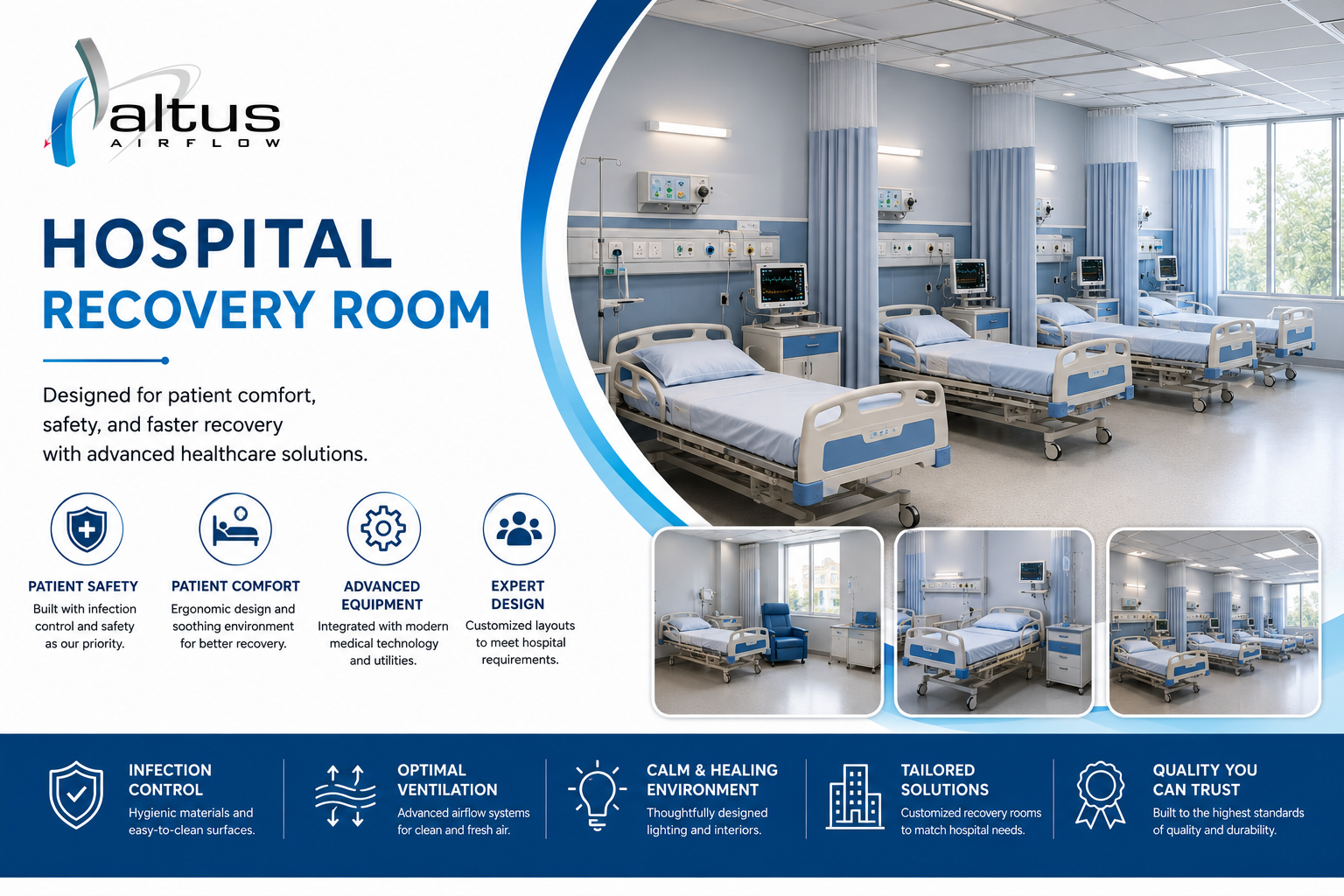
A Hospital Recovery Room requires advanced medical equipment to provide safe and effective care for patients after surgery, anesthesia, or medical procedures. The equipment installed in recovery areas helps healthcare professionals monitor patient conditions, manage recovery needs, provide immediate treatment, and respond quickly during emergencies. A properly equipped recovery room supports continuous observation, patient comfort, and efficient post-operative care. Hospitals select equipment based on patient requirements, clinical procedures, and safety considerations to create a reliable recovery environment.
Patient Monitoring Systems
Patient monitoring systems are essential equipment used in recovery areas.
These devices continuously track important health parameters such as heart rate, blood pressure, oxygen saturation, respiratory rate, ECG, and body temperature. Healthcare professionals use monitoring data to evaluate patient recovery and identify any changes in condition.
Advanced monitoring systems support early detection of complications and improve patient safety.
Multi-Parameter Monitors
Multi-parameter monitors provide complete information about patient health status.
These devices combine multiple monitoring functions into one system, allowing medical teams to observe different vital signs simultaneously. They are commonly used after surgeries where close observation is required.
Accurate monitoring helps healthcare professionals make timely medical decisions.
Oxygen Delivery Equipment
Oxygen support equipment is commonly used in recovery rooms.
Hospitals provide oxygen outlets, oxygen masks, nasal cannulas, oxygen regulators, and other oxygen delivery devices to support patients who need additional respiratory assistance after procedures.
Reliable oxygen equipment helps maintain proper oxygen levels during recovery.
Ventilators and Respiratory Support Devices
Some patients may require breathing assistance after surgery.
Ventilators and respiratory support devices help maintain adequate breathing for patients with respiratory difficulties. Healthcare professionals monitor and adjust these devices according to patient needs.
Respiratory support equipment improves patient stability during recovery.
Infusion Pumps
Infusion pumps are used for controlled medication and fluid administration.
These devices deliver intravenous fluids, medicines, antibiotics, and other treatments at accurate rates. Precise administration helps healthcare professionals provide safe and effective patient care.
Infusion pumps are important for managing recovery treatments.
Syringe Pumps
Syringe pumps provide accurate delivery of small medication doses.
They are used when patients require controlled administration of medicines or fluids in precise quantities. These devices are especially useful for patients who need careful medication management.
Accurate dosing supports better treatment outcomes.
Suction Units
Suction equipment helps maintain clear airways.
These devices remove secretions and support airway management when required after surgery or during emergency situations.
Quick access to suction units improves patient safety and emergency response.
ECG Machines
ECG machines monitor heart activity after medical procedures.
These devices record electrical signals of the heart and help healthcare professionals identify irregular heart rhythms or other cardiac concerns.
Heart monitoring supports early detection of possible complications.
Defibrillators and Emergency Equipment
Emergency equipment is an important part of every recovery area.
Recovery rooms include defibrillators, crash carts, resuscitation devices, airway management tools, emergency medications, and other critical care equipment.
These devices allow healthcare teams to respond quickly during unexpected medical situations.
Patient Warming Devices
Maintaining body temperature is important after surgery.
Patient warming equipment helps prevent temperature loss and provides thermal support during the recovery period. These devices improve comfort and help maintain stable body conditions.
Temperature management supports safer patient recovery.
Medical Gas Systems
Medical gas infrastructure supports several recovery procedures.
A Hospital Recovery Room includes oxygen pipelines, vacuum systems, compressed air outlets, medical gas panels, and alarm systems to ensure continuous availability of essential gases.
Reliable medical gas systems support respiratory care and emergency treatment.
Nurse Call Systems
Communication equipment improves patient support.
Nurse call systems allow patients to request assistance and help healthcare professionals respond quickly to their needs.
Effective communication improves care coordination and patient safety.
Medication and Storage Equipment
Organized storage systems help maintain efficient workflow.
Recovery rooms include storage cabinets, medicine areas, equipment racks, and supply storage solutions to keep essential items easily accessible.
Proper organization allows healthcare teams to provide faster care.
Infection Control Equipment
Maintaining a hygienic environment is important for patient protection.
Recovery rooms use ventilation systems, HEPA filtration units, controlled airflow solutions, and easy-to-clean surfaces to reduce infection risks.
Effective infection control equipment supports safer healthcare environments.
Backup Power Systems
Continuous electricity is necessary for medical equipment operation.
Recovery rooms include UPS systems, emergency lighting, medical-grade electrical outlets, grounding protection, and backup power solutions.
Reliable power systems ensure essential equipment continues working during interruptions.
Conclusion
A recovery area uses various medical devices, including patient monitors, oxygen equipment, ventilators, infusion pumps, syringe pumps, suction units, ECG machines, emergency devices, warming systems, medical gas infrastructure, communication tools, and infection control solutions. These systems help healthcare professionals provide safe monitoring, effective treatment, and quality post-operative care for patients.
FAQs
1. What equipment is used in a Hospital Recovery Room?
A Hospital Recovery Room uses patient monitors, oxygen delivery systems, ventilators, infusion pumps, syringe pumps, suction units, ECG machines, defibrillators, emergency equipment, warming devices, medical gas systems, nurse call systems, and infection control equipment.
2. Why are patient monitoring systems used in recovery rooms?
Patient monitoring systems help healthcare professionals track vital signs continuously and identify changes in patient conditions quickly.
3. What is the purpose of infusion pumps in recovery areas?
Infusion pumps provide controlled delivery of fluids and medications required during the recovery process.
4. Why are emergency devices necessary in recovery rooms?
Emergency devices help medical teams provide immediate support during unexpected complications or critical situations.
5. How do oxygen systems help recovery patients?
Oxygen systems support breathing and help maintain proper oxygen levels for patients who require respiratory assistance.
Read Our Previous Blog----------->What care is available in a Patient Recovery Room?
- Managerial Effectiveness!
- Future and Predictions
- Motivatinal / Inspiring
- Fitness and Wellness
- Medical & Health
- Manufacturing
- Education
- Real-Estate
- Food Industry
- Hospitality
- Online Games
- Sports
- Home Services
- Civil Engineering
- Safety and Protection
- Software Products & Services
- Fashion and Jewellery
- Artificial Intelligence
- Entrepreneurship
- Mentoring & Guidance
- Marketing
- Networking
- HR & Recruiting
- Literature
- Shopping
- Career Management & Advancement
SkillClick