

 SkillClick
What Happens After Hours? The Hidden Security Risks Facing Construction Sites
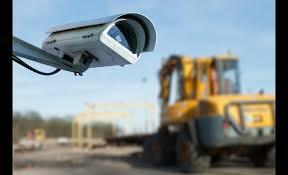
Construction sites are busy during working hours, with crews, supervisors, subcontractors, equipment operators, and project managers constantly moving around the property. But once the workday ends, the site can become significantly more vulnerable.
Heavy equipment may remain parked overnight, valuable materials may be stored on-site, and partially completed structures can provide opportunities for unauthorized access. Without the right precautions, a quiet jobsite can become an easy target for theft, vandalism, trespassing, and other security incidents.
For contractors, construction site security is not simply about protecting equipment. It is about protecting people, materials, project schedules, and investments throughout the entire construction process.
Why Construction Sites Are Vulnerable After Hours
Active construction sites often contain valuable resources in temporary or exposed locations. Unlike completed commercial buildings, construction projects may not yet have permanent doors, lighting, access control, or security infrastructure. Materials may be stored outdoors, equipment may remain in open areas, and perimeter protection can change as construction progresses.
Common after-hours risks include:
-
Equipment theft
-
Material theft
-
Unauthorized entry
-
Vandalism
-
Trespassing
-
Property damage
-
Theft of tools and supplies
-
Unauthorized vehicle access
The risks can become greater when a site is left unattended overnight, during weekends, or during extended holidays.
Valuable Equipment Can Become an Easy Target
Construction equipment represents a major investment.
Excavators, skid steers, generators, lifts, compressors, trailers, and other machines may remain at a project location when crews leave for the day.
Small tools and portable equipment can also be vulnerable because they are easier to remove from a site. Effective protection begins with understanding what is on the property and where valuable resources are located.
Contractors can strengthen their approach by maintaining:
-
Equipment inventories
-
Clearly defined storage areas
-
Secure access points
-
Proper lighting
-
Surveillance coverage
-
Controlled entry procedures
Knowing what needs protection makes it easier to develop an appropriate security plan.
Materials Can Be Just as Valuable as Equipment
Construction materials can also attract unwanted attention.Copper wiring, tools, lumber, fixtures, appliances, and other materials may have resale value or may be expensive and time-consuming to replace.
Material theft can create more than a direct financial loss. If essential materials disappear, crews may be unable to complete scheduled work until replacements arrive.
This can lead to:
-
Project delays
-
Additional material costs
-
Delivery complications
-
Labor downtime
-
Schedule disruptions
Protecting materials therefore contributes directly to maintaining project continuity.
Unauthorized Access Creates Multiple Risks
A construction site can be dangerous even when no theft occurs.
Unfinished structures, open excavations, temporary electrical systems, heavy machinery, and construction debris can create serious hazards for anyone entering without authorization.
Unauthorized visitors may include trespassers, curious members of the public, children, or individuals attempting to steal equipment or materials.Strong access controls can help contractors limit unnecessary entry.
Depending on the project, this may include:
-
Perimeter fencing
-
Locked gates
-
Controlled access points
-
Warning signage
-
Security cameras
-
Temporary barriers
-
Visitor procedures
The objective is to make unauthorized entry more difficult while improving awareness of activity around the site.
Visibility Matters When No One Is Watching
One of the biggest challenges after hours is the absence of personnel. A security incident can occur when no supervisor is present to notice suspicious activity.Surveillance technology can help bridge that gap.
Modern security cameras can provide visibility across important areas such as:
-
Site entrances
-
Equipment storage areas
-
Material storage zones
-
Parking areas
-
Building entrances
-
Perimeter locations
-
Remote sections of the property
Remote monitoring can provide additional awareness by allowing authorized personnel to review activity without physically being at the site.
Remote Monitoring Helps Contractors Respond Faster
Traditional cameras that simply record footage can be useful after an incident, but modern systems can provide more proactive monitoring capabilities.
Depending on the system, contractors may receive notifications when activity is detected in designated areas. This can help teams identify unusual activity more quickly.
For example, an unexpected movement near an equipment storage area late at night may warrant further investigation.
Remote monitoring can allow authorized personnel to:
-
View live video
-
Review recorded footage
-
Check specific areas
-
Receive activity alerts
-
Verify whether an event requires attention
Faster awareness can help reduce the time between an incident occurring and someone responding to it.
Lighting Can Strengthen Jobsite Protection
Lighting is another important part of an effective security strategy. Dark areas can make it easier for unauthorized individuals to approach a property without being noticed. Properly positioned lighting can improve visibility around entrances, equipment areas, walkways, and other vulnerable locations.
Contractors may consider:
-
Perimeter lighting
-
Motion-activated lights
-
Entrance lighting
-
Equipment-area lighting
-
Parking-area lighting
Lighting can also make surveillance cameras more effective by improving visibility during nighttime conditions.
Access Control Adds Another Layer of Protection
Not everyone who needs access to a construction project should necessarily have unrestricted access to every area. Access control can help contractors establish boundaries around the site.
Depending on project requirements, access may be managed through:
-
Key systems
-
Electronic locks
-
Access cards
-
Temporary credentials
-
Controlled gates
-
Authorized personnel lists
As construction progresses, access requirements can change. Temporary workers may leave the project, subcontractors may complete their assignments, and new teams may arrive.
Regularly reviewing access permissions helps keep security controls aligned with current project needs.
Security Should Adapt as Construction Progresses
A construction site's security requirements can change from one project phase to another. Early excavation may create different risks than interior finishing. As materials and equipment change, security priorities may need to change as well.
For example, a project may require additional protection when:
-
Expensive equipment arrives
-
Electrical wiring is installed
-
High-value fixtures are delivered
-
Exterior walls are completed
-
Multiple subcontractors begin working
-
The site becomes temporarily inactive
Regular security assessments can help contractors identify new vulnerabilities as the project develops.
Protecting More Than Property
Construction site security is also closely connected to worker and public safety. A well-protected site can help reduce unauthorized access to dangerous areas and provide better awareness of activity around the property.
Security measures can support:
-
Safer equipment storage
-
Controlled access
-
Better visibility
-
Incident documentation
-
Protection of unfinished structures
-
Reduced exposure to unauthorized visitors
This broader approach treats security as part of overall jobsite management rather than simply a theft-prevention measure.
Security Footage Can Support Investigations
Even with preventative measures in place, incidents can still happen.When an event occurs, recorded footage may help contractors understand what happened. Video records can potentially help establish:
-
When an incident occurred
-
Where activity took place
-
Which areas were affected
-
How individuals entered or exited
-
What property was involved
Maintaining organized footage can therefore provide valuable information for internal investigations and, where appropriate, law enforcement or insurance processes.
Building a Layered Security Strategy
No single security measure can protect every construction project from every risk. A stronger approach combines multiple layers. An effective strategy may include:
-
Perimeter protection to establish clear site boundaries.
-
Controlled access to limit unauthorized entry.
-
Security lighting to improve visibility.
-
Video surveillance to monitor important areas.
-
Remote monitoring to improve awareness after hours.
-
Equipment and material controls to reduce opportunities for theft.
-
Regular security reviews to identify changing vulnerabilities.
Layering these measures can make it more difficult for unwanted activity to go unnoticed.
Choosing Security Based on the Jobsite
Every construction project has different requirements. A small residential project may have different security concerns than a large commercial development with expensive machinery and materials spread across several acres.Contractors should consider:
-
Site size
-
Project location
-
Equipment value
-
Material storage
-
Site accessibility
-
Construction phase
-
Hours of activity
-
Number of workers and subcontractors
-
Areas requiring restricted access
A security strategy should be designed around the actual risks and conditions of the property.
Conclusion
Construction sites do not stop being vulnerable when workers leave for the day. Equipment, materials, tools, unfinished structures, and temporary infrastructure can remain exposed throughout the night, weekends, and periods of inactivity.
Effective construction site security requires more than a fence or a camera. Contractors can benefit from a layered approach that combines controlled access, surveillance, lighting, remote monitoring, equipment protection, and regular security assessments.
The goal is to maintain visibility and control even when the jobsite is quiet. By identifying vulnerabilities early and adapting security measures as construction progresses, contractors can better protect valuable resources, reduce avoidable disruptions, and create a safer environment throughout the project lifecycle.
- Managerial Effectiveness!
- Future and Predictions
- Motivatinal / Inspiring
- Fitness and Wellness
- Medical & Health
- Manufacturing
- Ausbildung
- Real-Estate
- Food Industry
- Hospitality
- Online Games
- Sports
- Home Services
- Civil Engineering
- Safety and Protection
- Software Products & Services
- Fashion and Jewellery
- Artificial Intelligence
- Entrepreneurship
- Mentoring & Guidance
- Marketing
- Networking
- HR & Recruiting
- Literature
- Shopping
- Career Management & Advancement