

 SkillClick
Self-Contained Breathing Apparatus Inspection Checklist: A Complete Guide
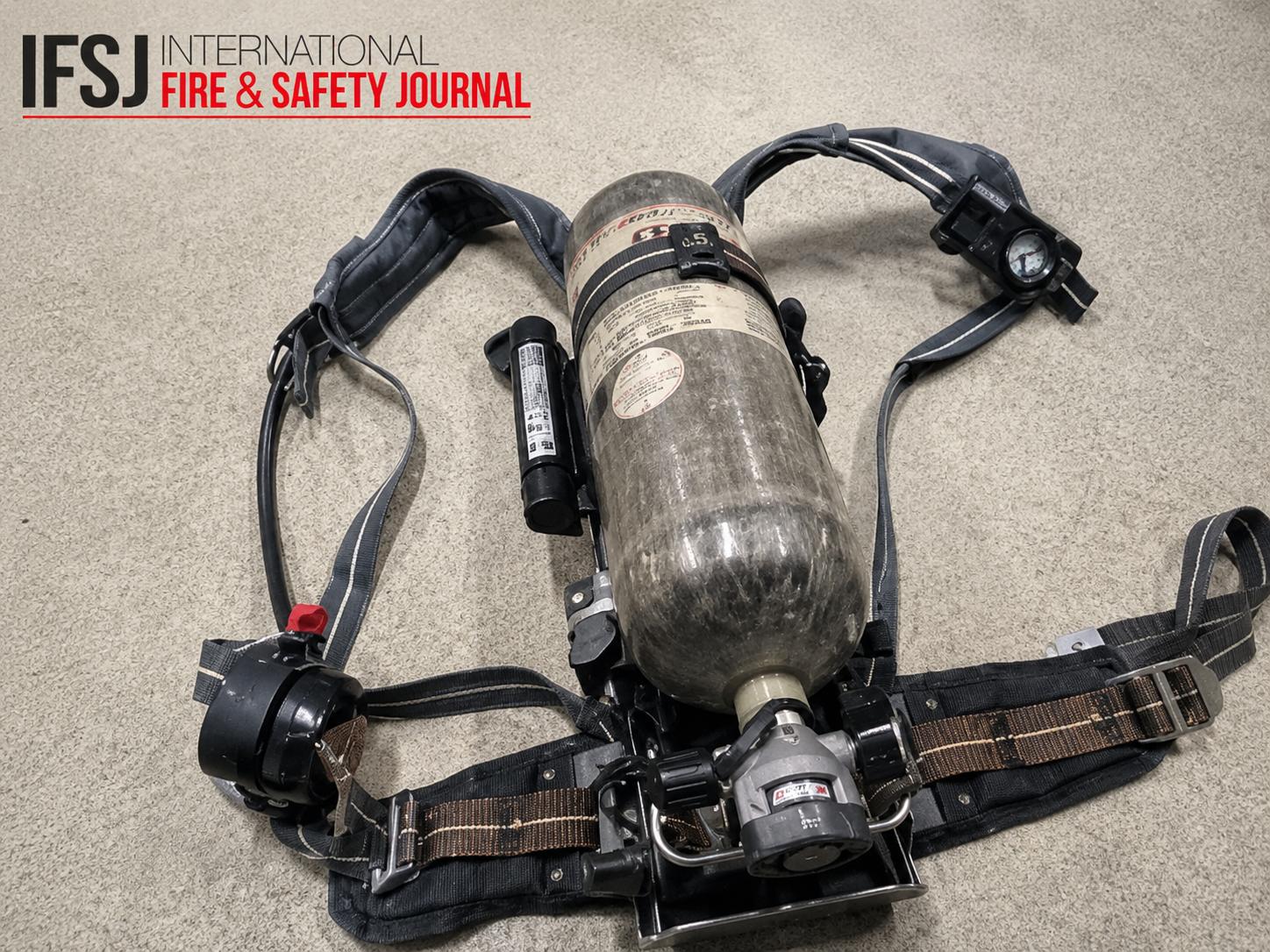
Respiratory protection equipment is often the last line of defense for firefighters, industrial workers, and emergency responders operating in hazardous environments. Because lives depend on this equipment functioning correctly, routine inspections are not optional—they are a critical part of every safety program. A structured inspection checklist helps identify wear, damage, or performance issues before they become serious risks. It also supports compliance with workplace safety requirements while improving equipment reliability and readiness. This guide explains the essential inspection steps, common mistakes to avoid, and maintenance practices that help ensure respiratory protection equipment remains ready whenever it is needed most.
What Is a Self-Contained Breathing Apparatus?
A self contained breathing apparatus is a portable respiratory protection system that supplies clean, compressed air to users working in environments where breathable air is unavailable or contaminated. It is commonly used by firefighters, rescue teams, hazardous materials personnel, and workers in industries such as oil and gas, mining, chemical processing, and confined space operations.
An SCBA typically consists of a facepiece, compressed air cylinder, pressure regulator, hoses, harness assembly, pressure gauge, and a Personal Alert Safety System (PASS) device. Each component must function properly to provide reliable respiratory protection during emergencies. Since these units are frequently exposed to harsh conditions, regular inspections help detect damage, prevent equipment failure, and ensure users can perform their duties with confidence.
Why SCBA Inspections Matter?
Routine inspections ensure respiratory protection equipment performs as expected when lives depend on it. A systematic inspection process minimizes equipment failures while supporting safety, compliance, and long-term operational efficiency.
-
Protects user safety: Identifies damaged or worn components before they compromise respiratory protection during hazardous operations.
-
Improves equipment reliability: Regular inspections verify that every component is functioning correctly before deployment.
-
Supports regulatory compliance: Scheduled inspections help organizations meet workplace safety standards and manufacturer recommendations.
-
Extends equipment lifespan: Early detection of wear reduces unnecessary damage and costly replacements.
-
Reduces downtime: Preventive inspections help avoid unexpected equipment failures during emergency situations.
-
Builds operational confidence: Personnel can perform their duties knowing their equipment has been thoroughly checked.
Self-Contained Breathing Apparatus Inspection Checklist
A comprehensive inspection checklist ensures every critical component is examined before equipment is placed into service. Following the same inspection sequence each time helps maintain consistency and reduces the chance of overlooked defects.
Facepiece Inspection
Examine the facepiece lens for scratches, cracks, or discoloration that could impair visibility. Inspect the rubber seal, head harness, straps, and exhalation valve for signs of wear, deformation, or contamination that may affect proper sealing.
Air Cylinder Inspection
Verify the cylinder contains sufficient air pressure according to operational requirements. Check for dents, corrosion, gouges, damaged valves, and confirm the hydrostatic testing date remains valid before placing the cylinder into service.
Regulator and Hose Inspection
Inspect the regulator connection for secure attachment and ensure hoses are free from cuts, abrasions, cracks, or leaks. Confirm the regulator delivers smooth airflow without unusual resistance or pressure fluctuations.
Harness and Backplate Inspection
Carefully inspect shoulder straps, waist belts, buckles, adjustment mechanisms, and the backframe for excessive wear, loose fittings, broken hardware, or structural damage that could affect comfort or equipment stability.
Pressure Gauge and Alarm Inspection
Confirm the pressure gauge accurately matches cylinder pressure and verify the low-air warning alarm activates correctly. If equipped, ensure the Heads-Up Display functions properly and provides clear visual indicators.
PASS Device Inspection
Check battery status before operation and activate the PASS device to verify both audible and visual alarms function correctly. Ensure manual activation and automatic motion-sensing features respond as designed.
Pre-Use Functional Check
Before entering a hazardous environment, users should complete a functional test to verify the entire breathing apparatus operates correctly under normal working conditions.
Open the Cylinder Valve
Fully open the cylinder valve while observing the pressure gauge for stable readings. Listen carefully for escaping air that may indicate leaks around valves, regulators, or hose connections.
Perform a Leak Test
Close the cylinder valve after pressurizing the system and monitor pressure levels for any noticeable drop. Pressure loss may indicate leaks requiring immediate inspection before equipment is used.
Test the Regulator
Connect the regulator to the facepiece and inhale normally to ensure consistent airflow. Confirm breathing resistance remains minimal and the regulator responds smoothly throughout the breathing cycle.
Verify Alarm Functions
Reduce air pressure according to manufacturer procedures to ensure the low-air warning alarm activates correctly. Confirm all audible and visual warning systems operate as intended during testing.
Confirm Overall Readiness
Review every inspected component one final time before deployment. Ensure straps are adjusted correctly, gauges display appropriate pressure, and all operational checks have been successfully completed.
Common SCBA Inspection Mistakes
Even experienced personnel can overlook important inspection steps. Recognizing these common mistakes helps organizations improve inspection quality and maintain dependable respiratory protection.
Skipping Visual Inspections
Rushing through inspections increases the chance of missing damaged seals, cracked lenses, worn straps, or loose connections that could negatively affect equipment performance during emergency operations.
Ignoring Minor Damage
Small cracks, abrasions, or worn components may appear insignificant but often worsen over time. Replacing damaged parts promptly helps prevent larger failures and costly repairs.
Overlooking Cylinder Pressure
Using partially filled cylinders reduces available breathing time during emergencies. Always verify cylinder pressure meets operational requirements before equipment is assigned for use.
Forgetting PASS Device Checks
Failing to test the PASS device or replace weak batteries can delay emergency rescue efforts if a firefighter or worker becomes incapacitated during an incident.
Missing Inspection Documentation
Incomplete maintenance records make it difficult to track recurring issues, scheduled servicing, and equipment history. Accurate documentation supports compliance and improves long-term equipment management.
Best Practices for SCBA Maintenance
Routine maintenance complements regular inspections by keeping respiratory protection equipment clean, functional, and ready for emergency deployment throughout its service life.
Clean Equipment After Every Use
Remove dirt, soot, chemicals, and contaminants using approved cleaning procedures. Proper cleaning prevents material degradation while maintaining hygiene and extending equipment durability.
Store Equipment Correctly
Keep equipment in a clean, dry location away from direct sunlight, excessive heat, moisture, or chemical exposure that could accelerate component deterioration over time.
Replace Worn Components Promptly
Do not continue using damaged straps, seals, hoses, or valves. Replacing worn components early maintains equipment reliability and prevents failures during critical operations.
Follow Manufacturer Service Schedules
Routine inspections should be supported by scheduled maintenance and professional servicing according to manufacturer recommendations to ensure long-term performance and compliance.
Maintain Accurate Service Records
Record inspections, repairs, component replacements, testing dates, and maintenance activities consistently. Well-maintained records simplify audits and help organizations monitor equipment condition over its lifecycle.
Conclusion
Consistent inspection and maintenance practices are essential for ensuring respiratory protection equipment remains dependable in demanding environments. Every inspection provides an opportunity to identify potential issues before they affect performance, helping protect personnel while reducing equipment downtime and costly repairs. Organizations seeking the latest safety insights can also benefit from resources shared by International Fire and Safety Journal, alongside implementing structured inspection procedures, maintaining detailed service records, and following recommended maintenance schedules. These practices create safer working conditions, improve operational readiness, and help maximize equipment reliability whenever it is needed most.
Frequently Asked Questions
1. How often should an SCBA be inspected?
Most organizations perform a visual inspection before and after every use, conduct monthly inspections, and schedule annual servicing according to manufacturer recommendations.
2. What is the most important part of an SCBA inspection?
Every component is important, but particular attention should be given to the facepiece seal, air cylinder, regulator, pressure gauge, and PASS device because they directly affect user safety.
3. Why is cylinder pressure checked before use?
Verifying cylinder pressure ensures sufficient breathable air is available throughout the operation and reduces the risk of running out of air during an emergency.
4. What should be done if damage is found during an inspection?
The equipment should be removed from service immediately, repaired or replaced by qualified personnel, and thoroughly tested before being returned to operational use.
5. Why are inspection records important?
Inspection records help track maintenance history, demonstrate regulatory compliance, identify recurring equipment issues, and ensure every unit receives timely servicing.
- Managerial Effectiveness!
- Future and Predictions
- Motivatinal / Inspiring
- Fitness and Wellness
- Medical & Health
- Manufacturing
- Education
- Real-Estate
- Food Industry
- Hospitality
- Online Games
- Sports
- Home Services
- Civil Engineering
- Safety and Protection
- Software Products & Services
- Fashion and Jewellery
- Artificial Intelligence
- Entrepreneurship
- Mentoring & Guidance
- Marketing
- Networking
- HR & Recruiting
- Literature
- Shopping
- Career Management & Advancement