

 SkillClick
How Passenger Car Tires Support Egypt’s Mobility Shift
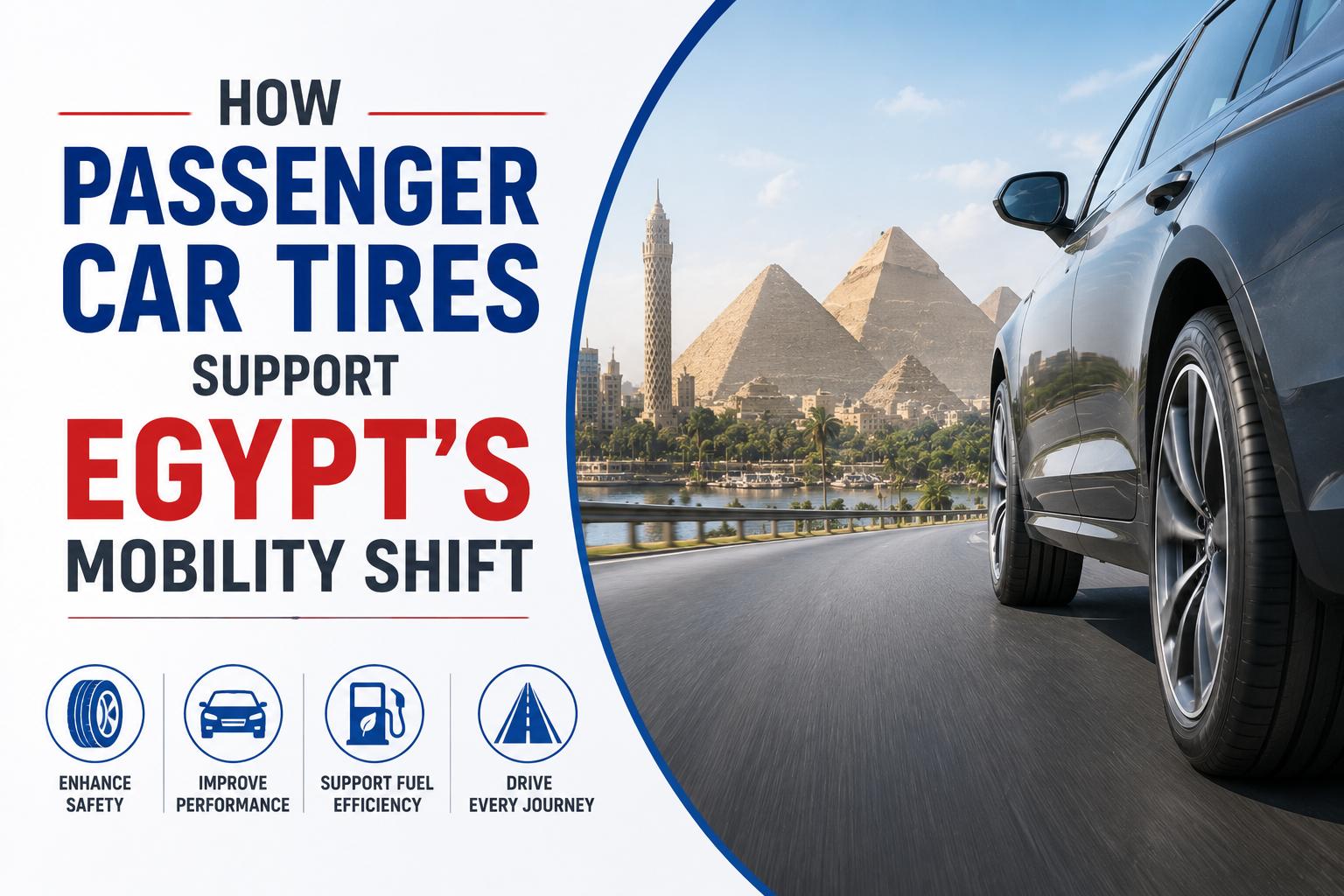
Egypt’s passenger mobility landscape is evolving as urban expansion, road development, and changing vehicle preferences influence tire consumption. Tires are essential safety components that determine braking performance, road grip, ride comfort, and fuel efficiency. As more passenger vehicles operate across congested cities, highways, and developing urban areas, motorists increasingly require products suited to Egypt’s varied road and climatic conditions.
A recent study by MarkNtel Advisors reports that the Egypt passenger car tire sector was valued at USD 750.2 million in 2025. It is projected to rise from USD 783.9 million in 2026 to USD 1,102.2 million by 2032, expanding at a CAGR of approximately 5.67% during 2026–32. Replacement tires account for around 70% of total demand.
Replacement Demand Remains the Main Growth Engine
The replacement segment benefits from the continuous wear experienced by vehicles operating in Egypt’s hot climate and demanding road environment. High temperatures can affect rubber compounds, while frequent braking, uneven surfaces, and long-distance travel gradually reduce tread depth. Vehicle owners therefore replace tires periodically to maintain handling, stability, and braking efficiency rather than relying solely on new-car purchases to generate demand.
Regular inspection is particularly important because worn or improperly inflated tires can influence fuel consumption and vehicle control. Passenger car owners are becoming more attentive to tread life, durability, heat resistance, and warranty coverage when comparing available products. This shift supports demand for dependable replacement options across economy, mid-range, and premium categories while encouraging distributors to expand their product portfolios.
Vehicle Ownership Supports Consistent Tire Consumption
Egypt’s large population and continued urban development create a substantial base of passenger vehicles requiring maintenance throughout their operating lives. Private cars remain important for commuting where public transport coverage or convenience is limited. Growing residential communities outside established city centres also increase travel distances, contributing to higher mileage and more frequent servicing requirements.
Government efforts are also strengthening the wider automotive ecosystem. Egypt’s State Information Service reports that the country is seeking to localize major automotive manufacturing through incentives under the National Automotive Industry Development Program. Greater domestic vehicle production could gradually enlarge the active vehicle fleet and create additional opportunities for tire suppliers, service centres, and component distributors.
SUVs Influence Product and Size Preferences
Sport utility vehicles are becoming increasingly relevant because many drivers value higher ground clearance, interior space, and suitability for mixed road conditions. These vehicles generally require larger tires with specifications designed for higher loads and varied driving environments. Consequently, rising SUV interest can increase demand for wider tire sizes, reinforced sidewalls, and products offering a balance between urban comfort and durability.
SUV-related demand also changes inventory requirements for retailers. Dealers must stock a broader range of rim diameters, tread patterns, and load ratings to serve different vehicle models. Suppliers capable of maintaining reliable availability across popular sizes may be better positioned to respond to replacement cycles, particularly in major urban centres where passenger vehicle variety is expanding.
Local Production Could Reshape Supply Conditions
Passenger car tires in Egypt are supplied through a combination of domestic distribution networks and imported products. Currency movements, freight costs, customs procedures, and international raw-material prices can therefore influence retail pricing. These factors encourage consumers to compare brands carefully and may increase demand for competitively priced products that still meet expected safety and performance standards.
Egypt’s General Authority for Investment and Free Zones notes that the country is expanding automotive production capacity while supporting electric-vehicle development. Stronger local manufacturing and component supply chains may eventually reduce selected import dependencies, improve product availability, and encourage investment in tire production, warehousing, testing, recycling, and related automotive services.
Distribution and Digital Retail Continue to Evolve
Traditional tire dealerships, workshops, and authorised service centres remain central to passenger car tire sales because buyers often require installation, wheel balancing, alignment, and technical guidance. Service quality is therefore closely connected to product selection. Retailers that clearly explain manufacturing dates, tire specifications, warranties, and maintenance requirements can help motorists make more informed decisions.
Digital channels are also becoming more relevant during the research and comparison stage. Motorists can examine prices, customer feedback, and technical features before visiting a fitting centre. The strongest retail models are likely to combine online product discovery with dependable physical installation, inventory visibility, and after-sales assistance.
Outlook for Passenger Tire Demand
Egypt’s passenger car tire demand is expected to remain primarily replacement-driven through 2032. Vehicle fleet expansion, SUV adoption, high operating temperatures, road usage, and stronger automotive localization will shape purchasing patterns. However, affordability, imported input costs, and currency conditions may continue to affect brand selection and replacement timing.
Long-term development will depend on balancing price with safety, durability, and reliable distribution. Suppliers that respond to changing vehicle specifications, broaden size availability, and support professional fitting services are likely to remain relevant as Egypt’s passenger mobility environment continues to develop.
- Managerial Effectiveness!
- Future and Predictions
- Motivatinal / Inspiring
- Fitness and Wellness
- Medical & Health
- Manufacturing
- Education
- Real-Estate
- Food Industry
- Hospitality
- Online Games
- Sports
- Home Services
- Civil Engineering
- Safety and Protection
- Software Products & Services
- Fashion and Jewellery
- Artificial Intelligence
- Entrepreneurship
- Mentoring & Guidance
- Marketing
- Networking
- HR & Recruiting
- Literature
- Shopping
- Career Management & Advancement