

 SkillClick
How Much Does It Cost to Build a Social Media App for Your Business?
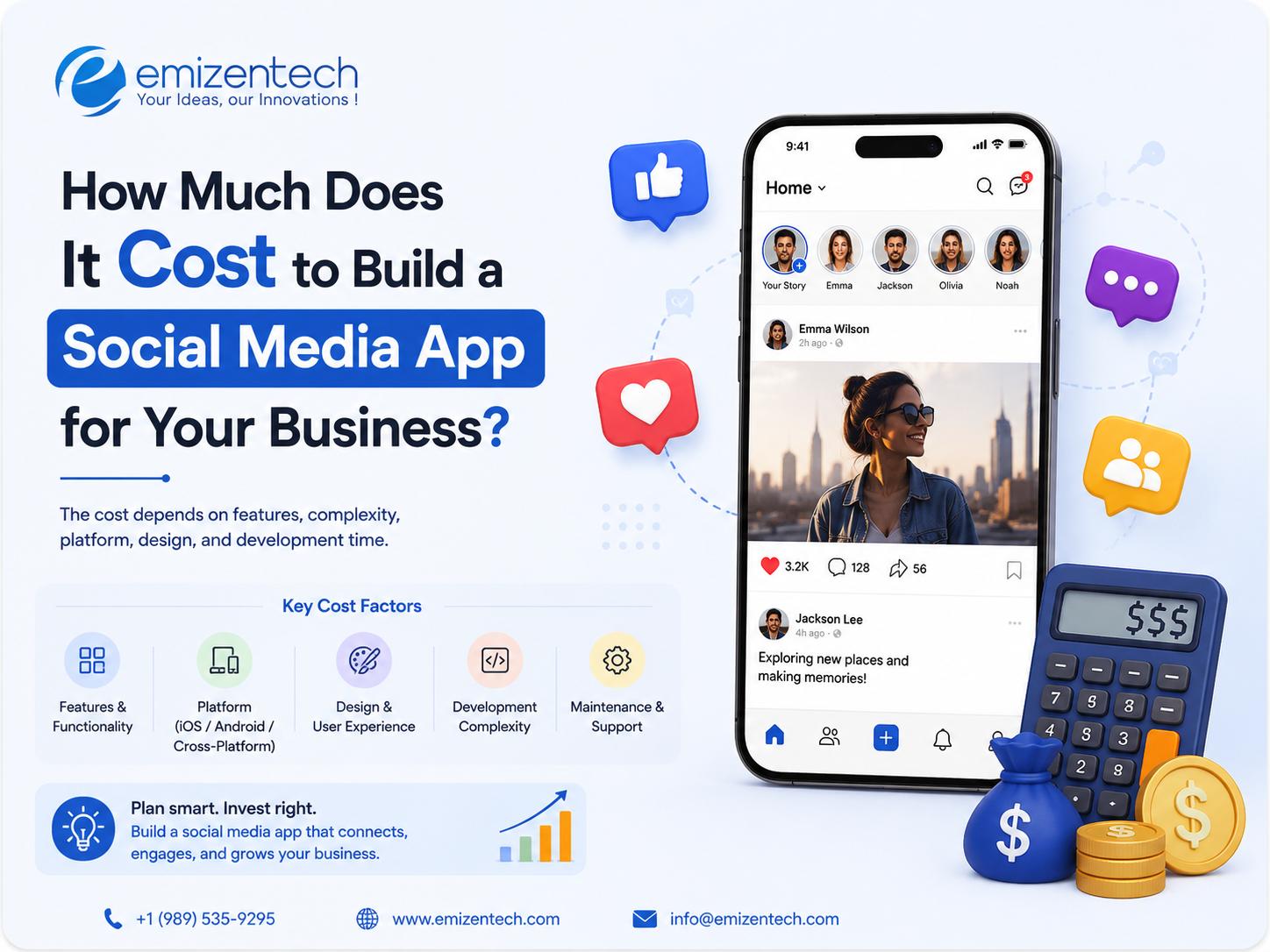
Social media apps have become powerful tools for businesses looking to connect directly with customers, strengthen brand loyalty, and create new revenue opportunities. Instead of relying solely on third-party platforms, many companies now invest in custom solutions that offer complete control over user experience, features, and data. However, one of the first questions business owners ask is, "How much does it cost to build a social media app?" The answer depends on several factors, including app complexity, design, technology stack, security, and long-term maintenance. Understanding these cost drivers helps businesses make informed decisions, set realistic budgets, and create an application that delivers lasting value without unnecessary expenses.
Why Businesses Are Investing in Social Media App Development?
The growing popularity of online communities has encouraged businesses to develop their own social media platforms instead of relying entirely on existing networks. A dedicated app allows companies to engage directly with customers, strengthen brand loyalty, gather valuable user insights, and create new revenue opportunities. It also provides greater flexibility to introduce unique features that align with business objectives. Many organizations choose to work with a trusted social media app development company to build secure, scalable, and user-friendly platforms that support long-term growth while delivering an engaging digital experience.
What Is the Average Cost to Build a Social Media App?
The cost of developing a social media app varies depending on its features, complexity, supported platforms, and business objectives. While simple applications require a smaller investment, feature-rich platforms with advanced technologies demand a larger budget and a longer development timeline.
Basic Social Media App
A basic application typically includes user registration, profile creation, content sharing, likes, comments, and messaging. It is an ideal starting point for startups or businesses launching a minimum viable product (MVP) to validate their idea.
Mid-Level Social Media App
Mid-level applications offer enhanced features like personalized news feeds, push notifications, media sharing, advanced search, and improved scalability. Partnering with an experienced social media app development company helps businesses select the right combination of features while maintaining a balanced development budget.
Enterprise-Level Social Media App
Enterprise-grade platforms include AI-powered recommendations, live streaming, advanced analytics, robust security, multilingual support, and cloud scalability. These applications are designed for businesses expecting high traffic and continuous expansion across multiple markets.
Key Factors That Influence Social Media App Development Costs
Several technical and business considerations directly affect the total investment required for app development. Understanding these factors allows companies to prioritize features wisely, avoid unnecessary expenses, and create a solution that aligns with both current and future business goals.
App Features and Functionality
The number and complexity of features significantly impact development costs. Messaging, video uploads, live streaming, content sharing, reactions, notifications, and user management all require additional development time, testing, and backend infrastructure.
UI/UX Design Complexity
An intuitive interface improves user satisfaction and retention. Custom animations, interactive layouts, accessibility features, and personalized experiences require additional design effort, making UI/UX one of the major contributors to the overall project cost.
Platform Selection
Choosing between Android, iOS, or cross-platform development influences both development time and budget. Businesses should select the platform strategy based on their target audience, market reach, and long-term growth objectives.
Backend Infrastructure
The backend manages databases, APIs, cloud storage, authentication, and application performance. A reliable social media app development company can build scalable backend architecture that efficiently handles increasing user traffic while ensuring data security and seamless performance as the platform grows.
AI and Advanced Technologies
Artificial intelligence enhances user engagement through personalized content recommendations, automated moderation, chatbots, and smart search capabilities. While these technologies increase development costs, they also improve user satisfaction and long-term retention.
Third-Party Integrations
Integrating payment gateways, social login services, analytics platforms, cloud storage, and communication APIs expands app functionality. Each integration requires proper implementation, testing, and ongoing maintenance, contributing to the project's overall budget.
Security and Compliance
Modern applications must protect user information through encryption, secure authentication, access controls, and compliance with privacy regulations. Investing in strong security reduces risks and helps businesses earn user trust from the beginning.
Essential Features That Impact Development Costs
Every feature added to a social media app affects the overall development budget. Businesses should focus on features that provide maximum value to users while supporting scalability, performance, and future enhancements.
User Registration and Profiles
Secure registration, customizable profiles, profile verification, and privacy settings create a personalized experience. Supporting multiple login methods such as email, Google, or Apple further improves user convenience and accessibility.
Content Feed and Media Sharing
Dynamic news feeds, photo uploads, video sharing, stories, and interactive posts require efficient content management systems capable of handling large volumes of user-generated content without affecting application performance.
Real-Time Chat and Messaging
Instant messaging, group chats, media sharing, typing indicators, and read receipts improve user interaction. Implementing reliable real-time communication requires advanced backend architecture and optimized server performance.
Push Notifications
Push notifications keep users informed about messages, comments, likes, friend requests, and platform updates. Well-designed notification systems encourage regular engagement without overwhelming users with unnecessary alerts.
Search and Discovery
Advanced search functionality allows users to discover people, hashtags, communities, and trending content. Intelligent recommendation engines further improve content visibility and encourage longer user sessions.
Privacy and Security Controls
Privacy settings, account verification, two-factor authentication, content reporting, and user blocking tools protect community members while ensuring a safe and trustworthy digital environment.
Admin Dashboard and Analytics
An admin dashboard enables businesses to manage users, monitor activity, moderate content, and analyze engagement metrics. These insights support informed business decisions and continuous platform improvement.
Hidden Costs to Consider Before Starting Development
Beyond initial development expenses, businesses should prepare for ongoing operational costs. Planning for these additional investments ensures smoother app performance, better user satisfaction, and sustainable long-term growth.
App Maintenance and Updates
Regular updates fix bugs, improve security, optimize performance, and introduce new features based on user feedback. Continuous maintenance keeps the application competitive in an evolving digital marketplace.
Cloud Hosting and Storage
Growing user communities require scalable cloud infrastructure for storing images, videos, databases, and application files. Hosting costs increase as traffic, content volume, and platform usage expand over time.
Third-Party API Fees
Many applications rely on external services for messaging, maps, payment processing, authentication, or analytics. These providers often charge recurring fees that should be included in the long-term budget.
App Store Publishing
Publishing applications on major app stores involves registration fees, compliance requirements, and regular updates. Businesses should also allocate resources for app optimization and listing improvements.
Security Monitoring
Cybersecurity is an ongoing responsibility. Continuous monitoring, vulnerability assessments, and security audits help identify threats early while protecting sensitive business and customer information.
Customer Support
Providing responsive customer support improves user satisfaction and retention. Businesses should budget for helpdesk systems, technical support teams, and feedback management tools after launch.
How to Optimize Your Social Media App Development Budget?
A well-planned strategy helps businesses control development expenses without compromising quality. Prioritizing essential functionality, selecting appropriate technologies, and planning future enhancements can maximize return on investment while reducing unnecessary costs.
Start with an MVP
Launching a minimum viable product allows businesses to validate their concept with real users before investing in advanced functionality. Early feedback helps prioritize future improvements based on actual market demand.
Prioritize High-Value Features
Instead of adding every possible feature, businesses should focus on capabilities that solve user problems and improve engagement. This approach keeps development efficient while delivering meaningful customer experiences.
Choose Cross-Platform Development
Cross-platform technologies reduce development time by allowing a single codebase for multiple operating systems. This strategy lowers costs while maintaining consistent functionality across Android and iOS devices.
Plan for Future Scalability
Building scalable architecture from the beginning minimizes future redevelopment expenses. Flexible infrastructure ensures the application can handle increased users, new features, and expanding business requirements.
Partner with an Experienced Development Team
Working with an experienced social media app development company helps businesses avoid costly mistakes, improve project planning, and ensure high-quality execution through every stage of development.
How to Choose the Right Social Media App Development Partner?
Selecting the right social media app development company is just as important as defining your app's features. Look for a partner with proven industry experience, a strong portfolio, expertise in scalable architecture, and knowledge of emerging technologies such as AI and cloud computing. Transparent communication, clear pricing, agile development practices, and reliable post-launch support are equally important when evaluating potential partners. Reading client testimonials, reviewing completed projects, and discussing your long-term business goals can help you choose a development team capable of delivering a secure, scalable, and user-focused social media application.
Conclusion
Building a successful social media app requires more than simply estimating development expenses. Businesses should evaluate feature requirements, design complexity, technology choices, infrastructure, security, and long-term maintenance before setting a budget. Careful planning helps reduce unexpected costs while creating an application that supports growth and delivers a great user experience. Choosing a reliable social media app development company with the right technical expertise can make the entire process more efficient and cost-effective. Whether you're launching a startup platform or expanding an established brand, partnering with EmizenTech can help transform your vision into a scalable, feature-rich social media application built for long-term success.
FAQ
Q1. How much does it cost to build a social media app?
The cost depends on the app's features, design, platform, and overall complexity.
Q2. What factors affect social media app development costs?
Features, UI/UX design, platform choice, backend development, security, and integrations all influence the total cost.
Q3. How can businesses reduce development costs?
Starting with an MVP, prioritizing essential features, and choosing the right development partner can help reduce costs.
Q4. What are the ongoing costs after launching a social media app?
Maintenance, cloud hosting, security updates, API fees, and customer support are common ongoing expenses.
- Managerial Effectiveness!
- Future and Predictions
- Motivatinal / Inspiring
- Fitness and Wellness
- Medical & Health
- Manufacturing
- Education
- Real-Estate
- Food Industry
- Hospitality
- Online Games
- Sports
- Home Services
- Civil Engineering
- Safety and Protection
- Software Products & Services
- Fashion and Jewellery
- Artificial Intelligence
- Entrepreneurship
- Mentoring & Guidance
- Marketing
- Networking
- HR & Recruiting
- Literature
- Shopping
- Career Management & Advancement