

 SkillClick
What certifications are required for IVF Lab Design in India?
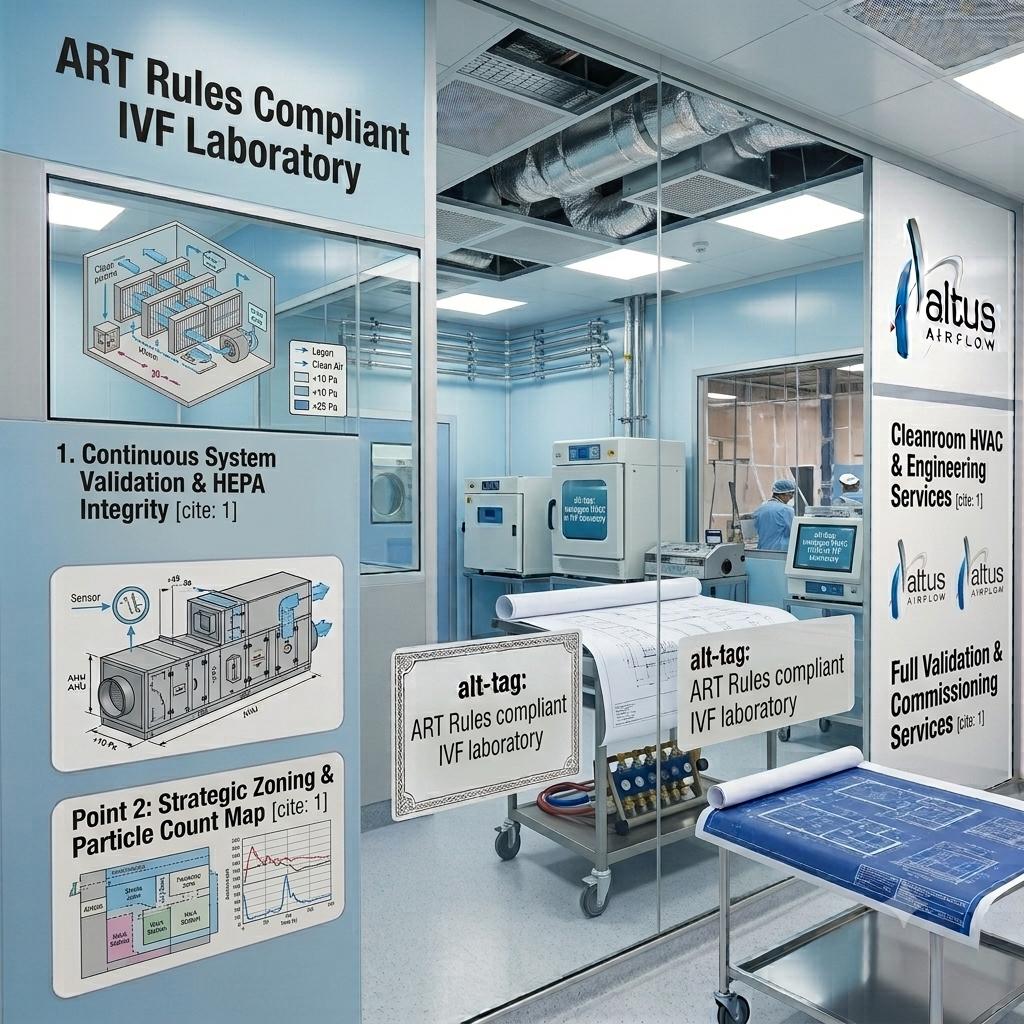
INTRODUCTION
The success of a fertility clinic depends not only on medical expertise but also on the quality, safety, and compliance of its laboratory infrastructure. Modern IVF Lab Design In India must meet strict regulatory standards to ensure safe handling of gametes, embryos, and laboratory procedures. A well-designed IVF laboratory should comply with national regulations, healthcare engineering standards, environmental requirements, and quality management systems. These certifications and guidelines help fertility clinics maintain consistent laboratory performance, minimize contamination risks, and provide patients with confidence in the treatment process.
Obtaining the appropriate certifications is an important part of establishing a legally compliant IVF laboratory in India. While some approvals relate directly to fertility clinic operations, others apply to laboratory engineering, HVAC systems, cleanroom environments, electrical installations, fire safety, biomedical waste management, and quality assurance. A professionally planned IVF Lab Design In India incorporates these standards from the initial design stage, making regulatory approval smoother and supporting long-term operational excellence.
This article explains the major certifications, regulations, and quality standards that should be considered when developing an IVF laboratory in India.
Why Certifications Matter
Certifications demonstrate that an IVF laboratory operates according to established quality and safety standards.
Benefits include:
- Regulatory compliance
- Patient confidence
- Improved laboratory safety
- Standardized operations
- Reduced contamination risks
Compliance also simplifies inspections and accreditation.
ART Act and ART Rules
One of the most important regulations affecting IVF Lab Design In India is the Assisted Reproductive Technology (Regulation) Act and its associated ART Rules.
These regulations establish requirements for:
- Registration of ART clinics
- Laboratory operations
- Infrastructure
- Record keeping
- Equipment
- Staff qualifications
Compliance is mandatory for licensed ART clinics.
ICMR Guidelines
The Indian Council of Medical Research (ICMR) has developed comprehensive recommendations for assisted reproductive technology.
These guidelines address:
- Laboratory planning
- Embryology procedures
- Safety protocols
- Environmental conditions
- Clinical practices
Although updated regulations are now governed by the ART framework, ICMR recommendations continue to influence laboratory standards.
NABH Accreditation
Many fertility hospitals seek accreditation from the National Accreditation Board for Hospitals & Healthcare Providers (NABH).
NABH promotes:
- Patient safety
- Quality healthcare
- Standard operating procedures
- Infrastructure management
Well-planned IVF Lab Design In India supports NABH compliance.
ISO 9001 Quality Management
ISO 9001 establishes internationally recognized quality management principles.
Benefits include:
- Process standardization
- Documentation control
- Continuous improvement
- Quality assurance
Many healthcare organizations implement ISO 9001 systems.
ISO 15189 for Medical Laboratories
Some fertility laboratories also consider ISO 15189 standards.
This certification focuses on:
- Laboratory competence
- Quality systems
- Technical performance
- Documentation
It supports high-quality laboratory operations.
Cleanroom Standards
IVF laboratories frequently incorporate cleanroom technology.
Relevant standards may include:
- ISO cleanroom classifications
- Air cleanliness requirements
- Environmental monitoring
- Contamination control
Cleanroom engineering improves laboratory reliability.
HVAC Compliance
HVAC systems play a central role in IVF Lab Design In India.
HVAC engineering should support:
- Temperature stability
- Humidity regulation
- Air filtration
- Pressure control
- VOC reduction
Proper HVAC design enhances laboratory performance.
HEPA Filtration Validation
HEPA filters require validation to confirm performance.
Testing typically includes:
- Filter integrity
- Airflow verification
- Particle testing
Validated filtration systems improve environmental quality.
Environmental Monitoring Standards
Continuous environmental monitoring supports regulatory compliance.
Monitoring typically includes:
- Temperature
- Humidity
- Air pressure
- Air quality
- Particle counts
Monitoring systems help maintain stable laboratory conditions.
Fire Safety Certification
Fire protection is mandatory for healthcare facilities.
Requirements may include:
- Fire alarms
- Smoke detection
- Emergency exits
- Fire extinguishers
Compliance improves patient and staff safety.
Electrical Safety Compliance
Electrical systems must meet applicable safety standards.
Requirements include:
- Reliable power distribution
- Backup generators
- UPS systems
- Grounding
- Circuit protection
Electrical safety supports uninterrupted laboratory operations.
Biomedical Waste Management
IVF laboratories generate biomedical waste.
Facilities must comply with biomedical waste management regulations regarding:
- Waste segregation
- Storage
- Disposal
- Record keeping
Proper waste handling supports environmental safety.
Water Quality Standards
Laboratory water quality directly affects equipment performance.
Water systems should provide:
- High purity
- Stable supply
- Regular monitoring
Proper water quality protects laboratory equipment.
Medical Gas Safety
If medical gases are installed, systems must comply with applicable engineering standards.
Maintenance includes:
- Pressure testing
- Leak testing
- Safety verification
Reliable gas systems support laboratory operations.
Validation Documentation
Professional IVF Lab Design In India includes detailed validation documentation.
Documentation may include:
- HVAC reports
- HEPA testing
- Airflow verification
- Temperature mapping
- Pressure testing
Validation demonstrates system performance.
Equipment Certification
Laboratory equipment should be supplied by certified manufacturers.
Equipment commonly includes:
- Incubators
- Microscopes
- IVF workstations
- Cryostorage systems
Certified equipment improves reliability.
Calibration Programs
Laboratory instruments require periodic calibration.
Calibration covers:
- Temperature sensors
- Humidity sensors
- Gas analyzers
- Monitoring devices
Accurate calibration improves laboratory consistency.
Staff Training Requirements
Regulatory compliance also depends on trained personnel.
Training programs address:
- Laboratory procedures
- Equipment operation
- Safety protocols
- Documentation
Qualified staff improve operational quality.
Standard Operating Procedures
Every IVF laboratory should maintain documented SOPs.
Procedures include:
- Laboratory cleaning
- Equipment maintenance
- Environmental monitoring
- Emergency response
Documented procedures support consistency.
Internal Quality Audits
Regular internal audits help laboratories identify improvement opportunities.
Audits evaluate:
- Compliance
- Documentation
- Maintenance
- Safety
Continuous evaluation supports quality improvement.
Digital Record Management
Modern IVF laboratories increasingly use digital systems for:
- Patient records
- Environmental monitoring
- Equipment maintenance
- Validation reports
Digital documentation simplifies regulatory inspections.
Future Regulatory Readiness
Professional IVF Lab Design In India anticipates future regulatory developments.
Flexible infrastructure supports:
- Equipment upgrades
- Expanded monitoring
- Future accreditation
Future-ready laboratories adapt more easily.
Benefits of Regulatory Compliance
Meeting certification requirements provides several advantages.
These include:
- Improved patient trust
- Better laboratory performance
- Reduced contamination risks
- Easier inspections
- Higher operational quality
- Long-term sustainability
Compliance strengthens the overall healthcare facility.
Conclusion
Developing compliant IVF Lab Design In India requires careful attention to multiple certifications, engineering standards, and regulatory requirements. ART Rules, the Assisted Reproductive Technology Act, ICMR recommendations, NABH accreditation, ISO quality systems, cleanroom engineering standards, HVAC validation, HEPA filtration testing, environmental monitoring, biomedical waste management, electrical safety, fire protection, calibration programs, and comprehensive documentation all contribute to creating safe, efficient, and reliable fertility laboratories. Incorporating these standards during the design stage helps clinics achieve regulatory compliance, improve embryo protection, simplify inspections, and maintain consistently high laboratory performance. Through advanced healthcare engineering, cleanroom technology, HVAC expertise, and regulatory-focused laboratory planning, Altus Airflow supports fertility centers in developing modern IVF laboratories that meet current standards while remaining prepared for future advancements and evolving regulatory expectations.
Frequently Asked Questions (FAQs)
1. Why are certifications important for IVF Lab Design In India?
Proper certifications ensure that IVF Lab Design In India complies with healthcare regulations, quality standards, and laboratory safety requirements.
2. Which regulations apply to IVF Lab Design In India?
The primary regulations affecting IVF Lab Design In India include the ART Act, ART Rules, ICMR recommendations, NABH standards, and relevant engineering guidelines.
3. Does IVF Lab Design In India require HVAC validation?
Yes, professional IVF Lab Design In India includes HVAC validation, airflow testing, HEPA verification, and environmental monitoring.
4. Is cleanroom technology important for IVF Lab Design In India?
Modern IVF Lab Design In India frequently incorporates cleanroom technology to reduce contamination and improve laboratory performance.
5. Can IVF Lab Design In India support future regulatory changes?
Yes, professionally planned IVF Lab Design In India uses scalable infrastructure that can accommodate future equipment upgrades and evolving regulatory requirements.
Read Our Previous Blog------>What latest technologies are incorporated by an IVF Lab Design Company?
- Managerial Effectiveness!
- Future and Predictions
- Motivatinal / Inspiring
- Fitness and Wellness
- Medical & Health
- Manufacturing
- Education
- Real-Estate
- Food Industry
- Hospitality
- Online Games
- Sports
- Home Services
- Civil Engineering
- Safety and Protection
- Software Products & Services
- Fashion and Jewellery
- Artificial Intelligence
- Entrepreneurship
- Mentoring & Guidance
- Marketing
- Networking
- HR & Recruiting
- Literature
- Shopping
- Career Management & Advancement