

 SkillClick
Beyond Straight Teeth: How Cosmetic Orthodontics Is Changing the Way
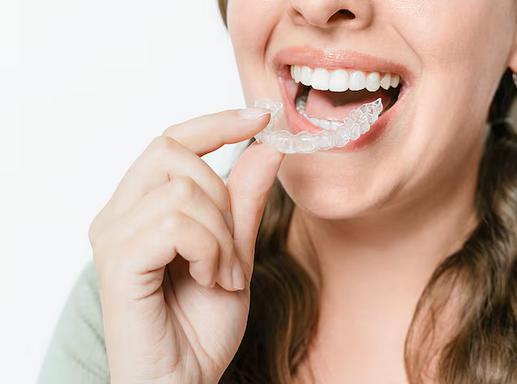
For a long time, orthodontic treatment was something most people associated with childhood — metal braces, rubber bands, and a couple of years of adjustment appointments before heading into adulthood with a straighter smile. That picture has shifted considerably. Cosmetic orthodontics has grown into one of the most requested areas of modern dentistry, with adults of all ages pursuing treatment not just for health reasons but because they want to genuinely feel good about the way their smile looks. The options available today make that goal more accessible, more discreet, and more comfortable than ever before.
What Cosmetic Orthodontics Actually Covers
Traditional orthodontics focuses on correcting bite issues, jaw alignment, and functional problems that affect chewing or long-term dental health. Cosmetic orthodontics shares some of that ground but places its primary emphasis on the visible result — improving the appearance of the smile by addressing crowding, spacing, rotation, and proportion. Many treatments fall under both categories at once, since straighter teeth are generally healthier teeth, easier to clean, and less prone to uneven wear.
The defining feature of cosmetic orthodontics is that it tends to prioritize how the front teeth — the ones visible when you smile — look and sit relative to each other. For patients whose back teeth and bite function are already in reasonable shape but whose front teeth are crowded, gapped, or uneven, cosmetic-focused treatment can often be completed faster and with more discreet appliances than traditional comprehensive orthodontics.
The Most Common Treatment Options Available Today
Clear aligner therapy is currently the most popular form of cosmetic orthodontics among adults. A series of custom-fitted transparent trays gradually shift the teeth into their target positions over a period of months. The trays are removable, so eating and cleaning remain straightforward, and they are virtually invisible during wear. For mild to moderate alignment concerns, clear aligners deliver excellent results with minimal disruption to daily life.
Ceramic braces use the same bracket-and-wire system as traditional metal braces but are made from tooth-colored or clear materials that blend into the smile far more naturally. They are fixed to the teeth throughout treatment, which makes them effective for more complex cases while still keeping a lower profile aesthetically. Lingual braces take discretion even further by placing the brackets and wires on the inner surface of the teeth, making them completely invisible from the outside.
For patients with very minor spacing or alignment issues, cosmetic orthodontics can sometimes be completed in as little as six months using accelerated or limited orthodontic approaches that focus specifically on the teeth that show when you smile. These short-term options are not appropriate for everyone, but for the right candidate they offer a fast path to visible improvement.
Combining Orthodontics with Other Cosmetic Dental Work
Many people who complete cosmetic orthodontic treatment choose to pair it with other smile improvements for a more comprehensive result. Teeth whitening after orthodontic treatment is extremely common since the teeth are now properly aligned and the whitening gel can reach surfaces that were previously overlapping. Some patients follow up with minimal composite bonding to refine the shape of a tooth edge or close a small residual gap that orthodontics alone did not fully address.
Veneers placed after orthodontic treatment tend to look more natural and require less modification because the teeth are already in better positions. Sequencing these treatments correctly — usually orthodontics first, cosmetic additions after — is something a knowledgeable dental provider will guide you through as part of a broader smile plan.
What to Realistically Expect from the Process
Treatment timelines for cosmetic orthodontics vary widely depending on the complexity of what needs to be corrected. Minor crowding or spacing might be resolved in four to six months, while more involved cases can take twelve to eighteen months or longer. Compliance matters significantly with removable options like clear aligners — wearing the trays for the recommended hours each day directly determines how closely the final result matches the treatment plan.
After active treatment ends, a retainer is always part of the picture. Teeth have a natural tendency to drift back toward their original positions, and wearing a retainer as directed is what keeps the results stable over time. Whether you are in your twenties, forties, or beyond, cosmetic orthodontics offers a well-supported path to the smile you have wanted — with treatment options that fit into real life rather than asking you to put it on hold.
- Managerial Effectiveness!
- Future and Predictions
- Motivatinal / Inspiring
- Fitness and Wellness
- Medical & Health
- Manufacturing
- Education
- Real-Estate
- Food Industry
- Hospitality
- Online Games
- Sports
- Home Services
- Civil Engineering
- Safety and Protection
- Software Products & Services
- Fashion and Jewellery
- Artificial Intelligence
- Entrepreneurship
- Mentoring & Guidance
- Marketing
- Networking
- HR & Recruiting
- Literature
- Shopping
- Career Management & Advancement