

 SkillClick
How Do Smart Contour Measuring Machines Save Time and Costs?
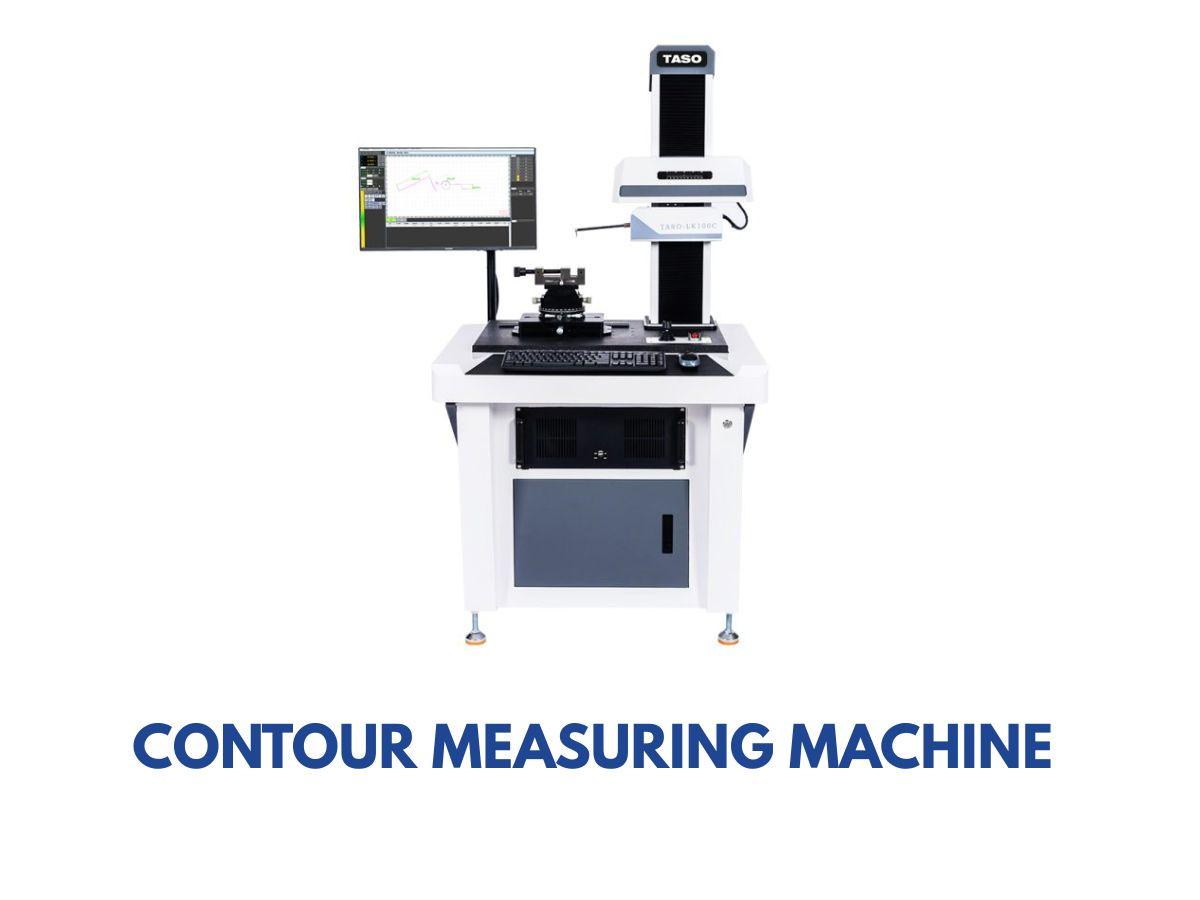
Smart Contour Measuring Machines save time and reduce operational costs by automating complex measurement tasks, improving accuracy, and minimizing manual inspection efforts. These advanced systems help manufacturers achieve faster quality control while reducing errors and rework.
In today's competitive manufacturing environment, precision and efficiency are critical. Industries such as automotive, aerospace, medical devices, and engineering rely on accurate dimensional measurements to maintain product quality. Modern contour measurement technology has transformed traditional inspection processes, allowing businesses to improve productivity and lower production expenses.
What Are Contour Measuring Machines?
Contour Measuring Machines are precision instruments designed to measure and analyze the profile, shape, and dimensions of components. They capture detailed contour data and compare it against design specifications to ensure product accuracy.
These machines are widely used for inspecting:
-
Engine components
-
Precision-machined parts
-
Medical devices
-
Aerospace components
-
Industrial tooling
With advanced software and automation features, modern systems provide highly accurate measurement results within minutes.
How Smart Contour Measuring Machines Improve Efficiency
Faster Measurement Process
Traditional measurement methods often require multiple tools and manual calculations. Smart contour measurement systems automate the entire process, significantly reducing inspection time.
Benefits include:
-
Quick data collection
-
Automated profile analysis
-
Instant reporting
-
Reduced operator involvement
As a result, manufacturers can inspect more parts in less time without compromising accuracy.
Reduced Human Errors
Manual measurements are vulnerable to operator mistakes, which can lead to inaccurate results and costly production issues.
Smart systems help eliminate these challenges through:
-
Automated measurement programs
-
Consistent inspection procedures
-
Digital data processing
-
Repeatable results
This consistency improves product quality and reduces the need for rework.
The Role of an Automatic Contour Tracer
An automatic contour tracer enhances the measurement process by automatically scanning component profiles and generating accurate contour data.
Key advantages include:
-
High-speed scanning
-
Improved repeatability
-
Reduced manual intervention
-
Enhanced measurement precision
By automating profile tracing, manufacturers can streamline quality control operations and increase overall productivity.
Cost-Saving Benefits of Smart Contour Measuring Machines
Lower Labor Costs
Automation reduces the amount of manual work required during inspections. A single operator can perform complex measurements that previously required multiple inspection steps.
This leads to:
-
Reduced staffing requirements
-
Increased workforce efficiency
-
Better allocation of skilled personnel
Less Material Waste
Measurement errors can result in defective products and wasted materials. Smart contour inspection systems detect deviations early, preventing large-scale production issues.
Benefits include:
-
Fewer rejected parts
-
Lower scrap rates
-
Reduced material consumption
Reduced Equipment Downtime
Accurate measurements help identify manufacturing problems before they become serious. Early detection allows maintenance teams to address issues quickly and prevent costly downtime.
Better Quality Control and Compliance
Quality standards continue to become stricter across manufacturing industries. Smart contour measurement technology helps organizations maintain compliance with industry requirements.
These systems provide:
-
Detailed inspection reports
-
Traceable measurement records
-
Reliable documentation
-
Consistent quality verification
This simplifies audits and improves customer confidence in the final product.
Practical Example of Time and Cost Savings
Consider a precision machining company that manually inspects 100 components per day. Traditional measurements may require several minutes per part, resulting in significant labor costs.
After implementing smart contour measurement technology:
-
Inspection times decrease dramatically
-
Measurement accuracy improves
-
Rework rates decline
-
Production output increases
The combined savings from labor, material reduction, and improved productivity often deliver a strong return on investment.
Choosing the Right Contour Measuring Solution
When selecting a contour measurement system, consider:
-
Measurement accuracy requirements
-
Automation capabilities
-
Software functionality
-
Reporting features
-
Ease of operation
-
Future scalability
Investing in the right solution helps manufacturers maximize both operational efficiency and long-term cost savings.
Conclusion
Smart Contour Measuring Machines play a crucial role in modern manufacturing by improving accuracy, reducing inspection time, and lowering operational costs. Their ability to automate complex measurements helps businesses increase productivity while maintaining strict quality standards. Solutions from Taso Metrology support manufacturers in achieving efficient and reliable contour measurement processes, making them a valuable asset for precision-driven industries.
FAQs
1. What are Contour Measuring Machines used for?
Contour Measuring Machines are used to measure and analyze the profile, shape, and dimensions of manufactured components with high precision.
2. How does an automatic contour tracer work?
An automatic contour tracer scans the surface profile of a component and records contour data automatically for accurate analysis and comparison.
3. How do contour measuring systems reduce costs?
They reduce costs by minimizing manual labor, preventing defects, reducing material waste, and improving production efficiency.
4. Which industries use contour measurement technology?
Industries such as automotive, aerospace, medical device manufacturing, precision engineering, and industrial tooling commonly use contour measuring systems.
5. Why is automation important in contour measurement?
Automation improves measurement speed, consistency, repeatability, and accuracy while reducing the risk of human error.
- Managerial Effectiveness!
- Future and Predictions
- Motivatinal / Inspiring
- Fitness and Wellness
- Medical & Health
- Manufacturing
- Education
- Real-Estate
- Food Industry
- Hospitality
- Online Games
- Sports
- Home Services
- Civil Engineering
- Safety and Protection
- Software Products & Services
- Fashion and Jewellery
- Artificial Intelligence
- Entrepreneurship
- Mentoring & Guidance
- Marketing
- Networking
- HR & Recruiting
- Literature
- Shopping
- Career Management & Advancement