

 SkillClick
GAPP Waiver Georgia Program for Pediatric Home Healthcare Services.
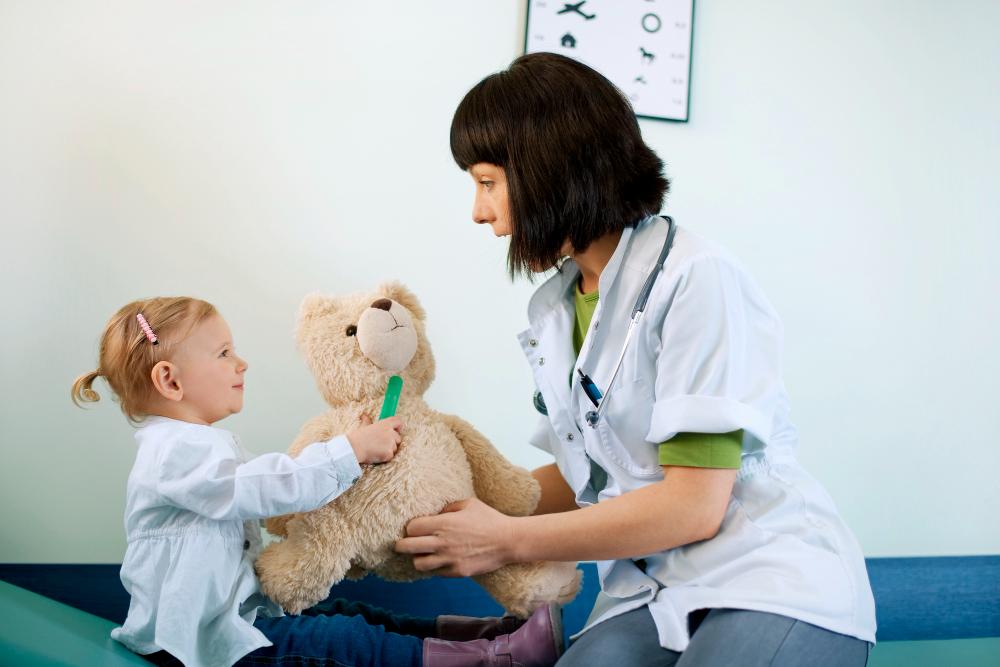
Families caring for children with serious medical conditions often manage responsibilities that extend far beyond normal daily caregiving. Between medications, therapy appointments, feeding assistance, respiratory treatments, and constant supervision, parents frequently become full-time healthcare providers while trying to maintain a stable home environment.
In Georgia, the GAPP Waiver Program helps families access professional pediatric home healthcare services that allow medically fragile children to safely remain at home while receiving specialized medical support.
The Georgia Pediatric Program (GAPP) is a Medicaid-funded program designed to provide skilled nursing and personal care services for children with complex medical needs. Instead of relying entirely on hospitals or long-term care facilities, families can receive personalized healthcare support directly inside the home.
As demand for family-centered healthcare continues growing, the GAPP waiver program remains one of Georgia’s most valuable resources for pediatric home healthcare support.
What Is the GAPP Waiver Program in Georgia?
The Georgia Pediatric Program, commonly called GAPP, is a Medicaid-supported healthcare program that provides medically necessary in-home care services for children under 21 with significant medical conditions or developmental disabilities.
The program was developed to help medically fragile children receive professional healthcare services at home rather than remaining in institutional settings whenever possible.
GAPP services may include:
- Pediatric skilled nursing
- Personal care assistance
- Respiratory support
- Medication management
- Feeding assistance
- Daily living support
- Health monitoring
All services require physician authorization and Medicaid approval before care begins.
Who May Qualify for GAPP Services?
Eligibility for the GAPP Waiver Georgia depends on both medical necessity and Medicaid eligibility requirements.
Children who may qualify often have conditions involving:
- Ventilator dependence
- Tracheostomy care needs
- Neurological disorders
- Seizure conditions
- Cerebral palsy
- Developmental disabilities
- Feeding tube dependence
- Chronic respiratory illnesses
- Genetic disorders
- Medically fragile conditions
To qualify, children generally must:
- Be under 21 years old
- Have active Georgia Medicaid
- Require physician-ordered care
- Need medically necessary in-home support services
Healthcare evaluations help determine approved service hours and the level of nursing support required.
Why Families Choose GAPP Pediatric Home Healthcare
Many parents prefer home-based pediatric healthcare because it combines medical care with emotional comfort and family involvement.
Children Remain in Familiar Surroundings
Home environments often help children feel calmer, safer, and emotionally more secure during long-term treatment.
Families Receive Professional Support
Skilled nurses and caregivers help parents manage complex medical routines more safely and confidently.
Reduced Hospital Dependency
Consistent in-home healthcare may help reduce avoidable emergency visits and hospital readmissions.
Personalized One-on-One Care
Unlike hospitals or facilities, pediatric home nursing focuses entirely on one child’s individual healthcare needs.
This family-centered care model helps improve both medical stability and quality of life.
Skilled Nursing Services Through GAPP
One of the most important benefits of the GAPP waiver program is access to pediatric skilled nursing services delivered directly in the home.
Licensed nurses may provide support for:
Respiratory and Ventilator Care
Children with respiratory conditions often require specialized airway management and continuous monitoring.
GAPP nurses may assist with:
- Ventilator management
- Tracheostomy care
- Oxygen therapy
- Airway suctioning
- Respiratory treatments
- Pulse oximeter monitoring
These services help medically fragile children maintain safer respiratory function at home.
Medication Administration and Monitoring
Many children enrolled in GAPP rely on multiple medications and ongoing symptom observation.
Pediatric nurses help by:
- Administering medications
- Monitoring side effects
- Managing dosage schedules
- Tracking symptoms
- Coordinating with physicians
Consistent medical oversight helps improve treatment accuracy and safety.
Feeding Tube and Nutritional Support
Children with feeding difficulties often require specialized nutritional assistance.
GAPP nursing services may include:
- G-tube feedings
- Feeding pump management
- Nutritional monitoring
- Hydration support
- Aspiration prevention
Proper nutritional care plays a major role in healthy development and recovery.
Seizure and Neurological Care
Children with seizure disorders or neurological conditions may require immediate response during emergencies.
Skilled nurses are trained to:
- Recognize seizure activity
- Follow emergency care procedures
- Monitor neurological symptoms
- Maintain child safety
- Support developmental routines
This level of support provides added reassurance for families managing unpredictable medical conditions.
Personal Care Assistance Through GAPP
In addition to skilled nursing, the GAPP waiver program may also provide personal care support for children needing assistance with daily activities.
Personal care services may include:
- Bathing and hygiene assistance
- Dressing support
- Mobility help
- Meal assistance
- Positioning and transfers
- Safety supervision
These services help improve comfort while reducing physical strain on family caregivers.
How the GAPP Approval Process Works
Families typically begin the process by working with a physician and a Medicaid-approved GAPP nursing agency.
The process usually includes:
- Obtaining a physician’s order
- Confirming active Georgia Medicaid coverage
- Choosing a GAPP provider
- Completing prior authorization paperwork
- Receiving service approval and scheduling care
Several agencies note that the approval process often takes approximately 30 to 90 days depending on documentation and authorization timelines.
Emotional Benefits of Pediatric Home Healthcare
Home-based healthcare offers emotional benefits alongside medical care.
Children receiving care at home often experience:
- Reduced anxiety
- Better sleep routines
- Increased family bonding
- Greater comfort during treatment
- Improved participation in daily activities
A familiar environment often contributes positively to emotional stability and developmental progress.
Supporting Parents and Preventing Caregiver Burnout
Caring for a medically fragile child can place enormous emotional and physical pressure on families.
Many parents experience:
- Sleep deprivation
- Emotional exhaustion
- Career interruptions
- Financial stress
- mental health tips for children and parents
GAPP services help families regain balance by providing dependable nursing and caregiving support.
Some families in online parenting communities also discuss how Medicaid waiver programs like GAPP can provide critical in-home support that improves long-term caregiving stability.
Choosing the Right GAPP Provider
Not all pediatric home healthcare agencies offer the same level of expertise or support.
Families should look for providers that offer:
Pediatric Specialty Experience
Children with complex conditions require healthcare professionals trained specifically in pediatric care.
Licensed Skilled Nurses
Experienced nurses should understand advanced medical equipment and emergency procedures.
Personalized Care Plans
Every child deserves healthcare support tailored to their medical and developmental needs.
Strong Communication
Reliable communication between nurses, physicians, therapists, and families improves overall care quality.
Compassionate Care Philosophy
Families often value kindness, patience, and emotional understanding alongside clinical expertise.
Technology Is Improving Pediatric Home Care
Modern healthcare technology continues improving the quality of pediatric home healthcare services across Georgia.
Many GAPP providers now utilize:
- Telehealth consultations
- Remote patient monitoring
- Portable respiratory equipment
- Digital medication tracking
- Electronic healthcare documentation
These tools help improve care coordination while more supporting safer home-based treatment.
Final Thoughts
The GAPP Waiver Georgia Program provides essential pediatric home healthcare services for children with complex medical and developmental needs.
Through skilled nursing, personal care assistance, and individualized support plans, the program helps medically fragile children receive high-quality medical care while remaining in the comfort and security of home.
- Managerial Effectiveness!
- Future and Predictions
- Motivatinal / Inspiring
- Fitness and Wellness
- Medical & Health
- Manufacturing
- Education
- Real-Estate
- Food Industry
- Hospitality
- Online Games
- Sports
- Home Services
- Civil Engineering
- Safety and Protection
- Software Products & Services
- Fashion and Jewellery
- Artificial Intelligence
- Entrepreneurship
- Mentoring & Guidance
- Marketing
- Networking
- HR & Recruiting
- Literature
- Shopping
- Career Management & Advancement