

 SkillClick
How Packaging Technology Improves Healthcare Delivery Systems
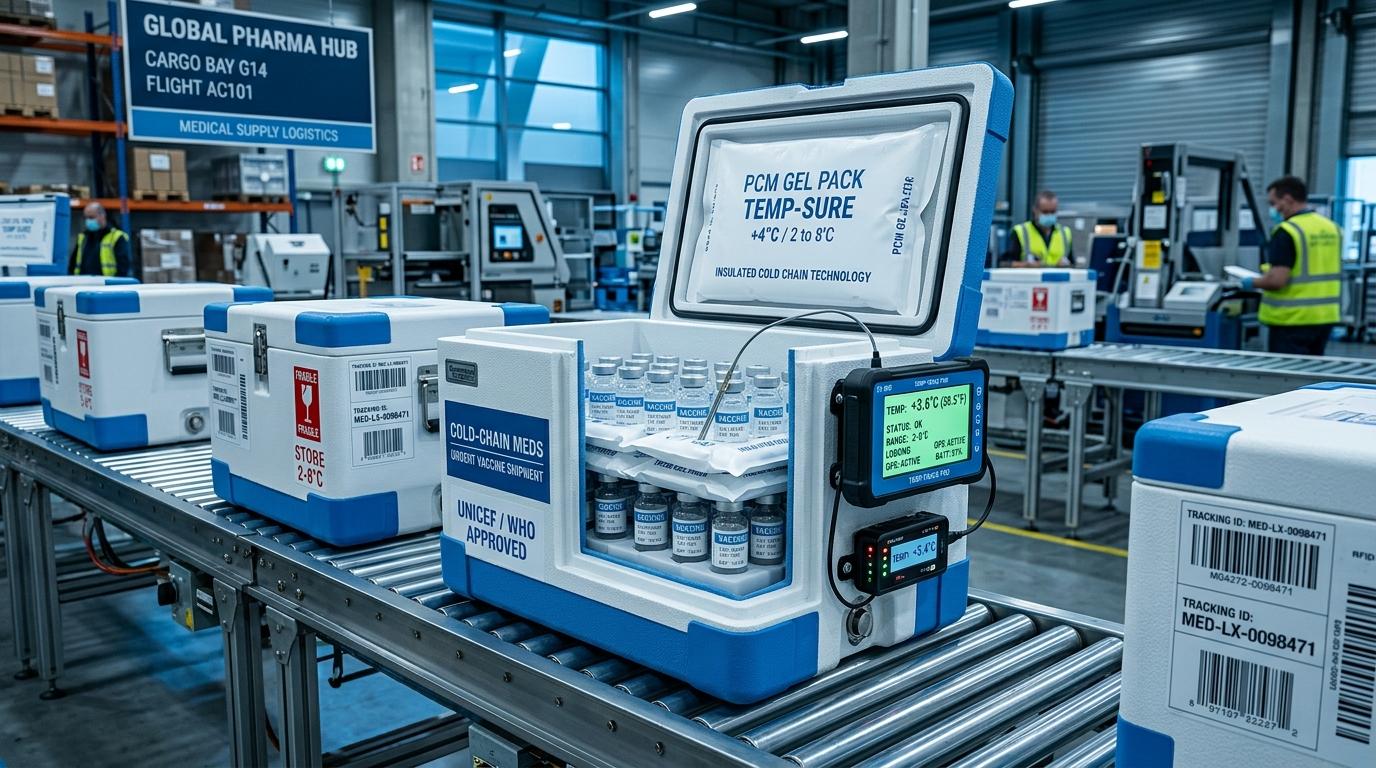
When we think about healthcare, we usually picture doctors, nurses, and life-saving medicines. Rarely do we think about the boxes, bottles, and pouches that hold those medicines. However, packaging technology acts as the invisible backbone of the entire medical system. It ensures that treatments travel safely from manufacturing plants to hospital beds and pharmacy shelves.
Without advanced packaging, vaccines would spoil, surgical tools would carry dangerous bacteria, and patients would struggle to take their medications correctly. Technology has transformed medical packaging from simple containers into intelligent systems. These systems track inventory, maintain strict temperatures, and even communicate directly with patients.
In this guide, we will explore exactly how packaging technology improves healthcare delivery systems. We will look at smart tracking, temperature control, patient safety features, and the materials that make modern medicine possible.
The Shift from Simple Containers to Smart Systems
Decades ago, medical packaging had one job: hold a product. A glass bottle held pills, and a cardboard box held bandages. While these simple containers did their job, they offered no extra value. If a bottle of pills sat in a hot delivery truck for too long, no one knew if the medicine was still safe to use. If a hospital ran out of a critical supply, they only found out when they opened the storage closet.
Technology changed everything. Engineers and medical professionals realized that packaging could do more than just hold items. It could actively protect treatments and streamline the delivery process.
Today, packaging incorporates microchips, temperature sensors, and specialized materials. These features turn every box and bottle into a source of data. This data helps shipping companies, pharmacists, and doctors work together to deliver better care to you.
How Smart Packaging Technology Works
Smart packaging refers to containers that feature built-in technology to monitor, track, or share information about the product inside. This technology solves some of the biggest problems in healthcare delivery, including lost shipments and expired medications.
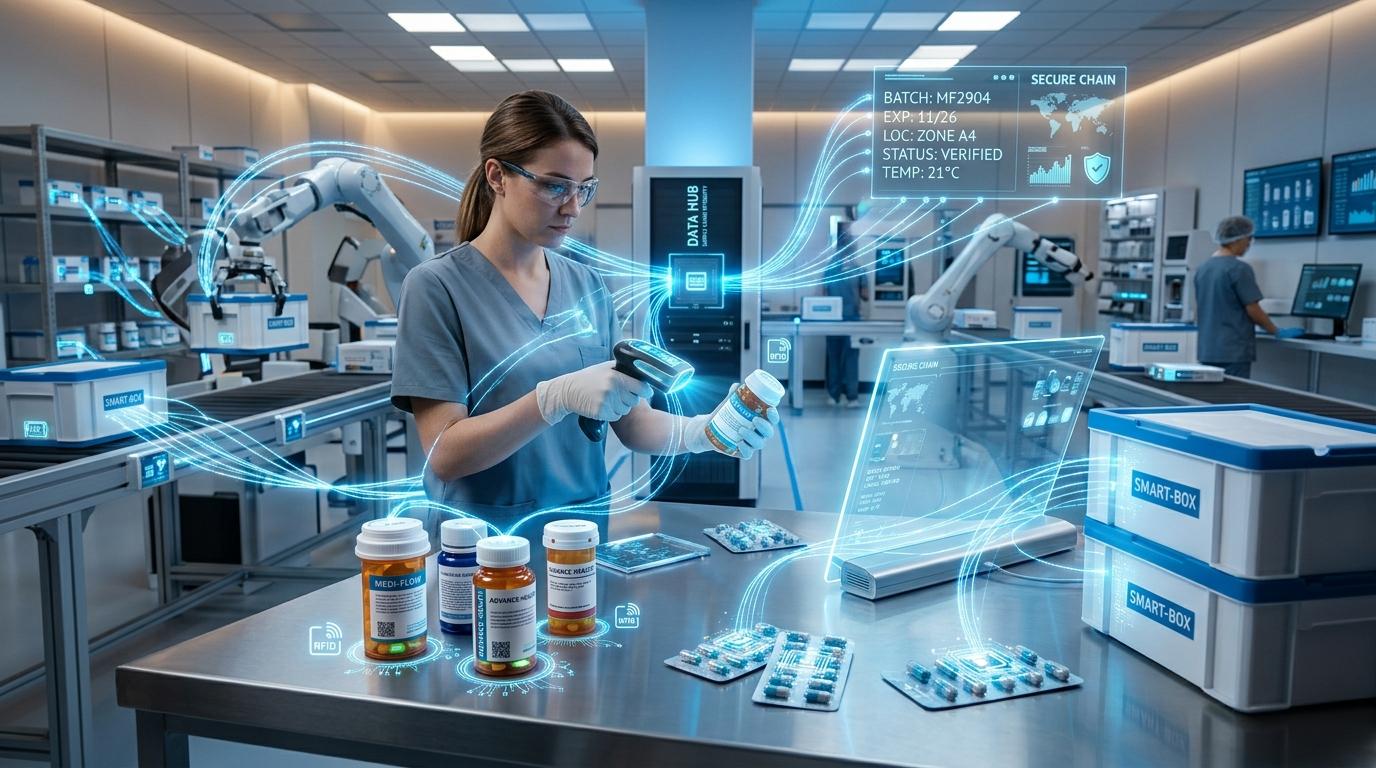
RFID Tags and Inventory Tracking
Radio Frequency Identification (RFID) tags are tiny microchips attached to packaging. These chips send out radio waves that scanners can read from a distance.
In a busy hospital, tracking inventory takes a massive amount of time. Nurses and supply managers spend hours counting boxes of syringes and bandages. With RFID technology, an entire storage room can be scanned in seconds. The hospital system instantly knows exactly how many supplies remain and which items are close to their expiration dates.
This tracking technology prevents critical shortages. When a doctor needs a specific surgical tool during an emergency, RFID ensures that the tool is available and safe to use.
Temperature-Monitoring Sensors
Many modern medicines, including biologics and vaccines, are highly sensitive to temperature changes. If a vaccine gets too warm, it becomes useless.
Engineers now embed tiny temperature sensors directly into shipping containers. These sensors track the internal temperature every minute of the journey. If the temperature rises above safe levels, the sensor sends an alert to the shipping company. This allows workers to fix the problem before the medicine ruins. When the package arrives at a clinic, the doctor can check the sensor data to guarantee the medicine remained perfectly cold the entire time.
Enhancing Medication Adherence for Patients
Healthcare delivery does not end when a patient leaves the pharmacy. It ends when the patient successfully takes their medication and heals. Unfortunately, many patients struggle to remember when to take their pills. This leads to longer recovery times and dangerous health complications.
Packaging technology actively helps patients manage their health through adherence packaging.
Advanced Blister Packs
You might recognize blister packs as the plastic and foil sheets that hold individual pills. Advanced versions of these packs now feature built-in timers and alarms. When a patient needs to take a pill, the package beeps or flashes a light.
Some smart blister packs even connect to smartphone apps. When you push a pill through the foil backing, the package sends a signal to your phone, recording the exact time you took your medicine. If you forget a dose, the app sends a reminder to you or a family member.
Clear Communication and Design
Technology also improves the way information is printed on packaging. High-resolution printing allows manufacturers to include clear, color-coded instructions on small labels. This helps elderly patients and those with poor eyesight read their dosage instructions easily. By making the directions obvious and easy to follow, smart design reduces accidental overdoses and dangerous drug interactions.
Comparing Traditional and Smart Packaging
To understand the impact of these advancements, we can look at the differences between old methods and modern technological solutions.
|
Feature |
Traditional Packaging |
Smart Packaging Technology |
|
Tracking |
Manual counting and visual checks |
RFID chips and real-time GPS tracking |
|
Temperature Control |
Basic ice packs in standard boxes |
Phase-change materials and digital sensors |
|
Patient Assistance |
Standard bottles with paper labels |
Alarm-equipped blister packs and app connectivity |
|
Authentication |
Visual inspection of seals |
Scannable QR codes to verify authenticity |
|
Data Collection |
None |
Continuous data logging during transit |
Streamlining Hospital and Pharmacy Operations
Hospitals and clinics require a constant flow of supplies to function. If a shipment is delayed, surgeries get canceled, and patient care suffers. Packaging technology streamlines the entire supply chain, making it faster and more reliable.
One way healthcare facilities improve their operations is by ordering supplies tailored to their specific needs. Using Custom Health Boxes helps clinics organize patient-specific treatments and medical kits efficiently. When a doctor orders a specialized kit for a specific procedure, these customized containers keep all the necessary tools together, clearly labeled, and sterile. This reduces prep time and prevents nurses from having to hunt down individual items across the hospital.
Combating Counterfeit Drugs
Counterfeit medicine is a serious global problem. Criminals manufacture fake pills that look exactly like life-saving treatments, but contain dangerous chemicals or no active ingredients at all.
Packaging technology fights this issue through serialization. Manufacturers print a unique barcode or QR code on every single package. When a pharmacist receives a shipment, they scan the code. The system instantly checks a secure database to confirm the medicine is genuine. If the code is invalid or missing, the pharmacist knows the product is fake and reports it. This technology stops counterfeit drugs from ever reaching a patient.
The Critical Role of the Cold Chain
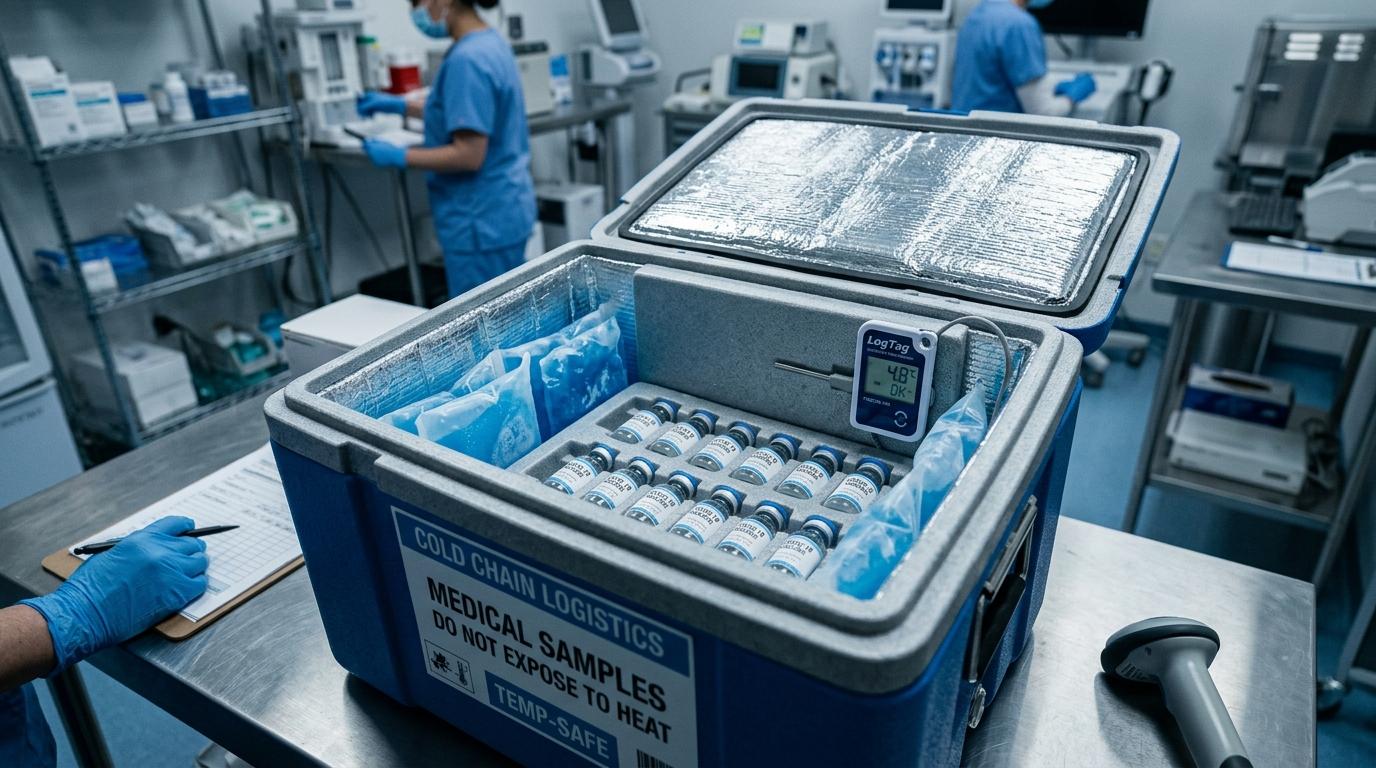
The cold chain is the temperature-controlled supply chain required for sensitive medical products. Delivering these products safely is one of the hardest challenges in healthcare. Technology has revolutionized how we manage the cold chain.
Advanced Insulation Materials
Standard foam coolers cannot keep products cold for long journeys across the world. Packaging engineers now use vacuum insulated panels (VIPs). These panels work like heavy-duty thermos bottles. They block outside heat completely, allowing the internal temperature to remain stable for over a week without needing electricity.
Phase-Change Materials
Instead of using melting ice, medical shipping containers use phase-change materials (PCMs). These are special liquids designed to freeze and melt at very specific temperatures. If a medication must stay exactly at 40°F, engineers use a PCM formulated to hold that precise temperature. This prevents the medicine from freezing solid or getting too warm, ensuring it arrives at the hospital in perfect condition.
Choosing the Right Manufacturing Partners
Creating these complex packaging systems requires precision. Medical companies cannot build these containers in standard factories. They rely on specialized manufacturers who understand the strict regulations and technological requirements of the healthcare sector.
Working with an experienced company like Silver Edge Packaging allows pharmaceutical brands to develop secure, high-quality containers that meet all regulatory standards. A reliable partner ensures that the physical structure of the box perfectly supports the advanced technology hidden inside, protecting both the product and the patient.
Meeting Strict Safety and Regulatory Standards
Because packaging directly impacts patient health, governments regulate it heavily. Organizations like the Food and Drug Administration (FDA) test and approve medical packaging before it can hit the market.
Technology helps manufacturers meet these strict standards. Automated testing machines simulate extreme heat, heavy impacts, and massive pressure changes to see how a package will hold up during shipping. Software tracks every step of the manufacturing process, proving to regulators that the packaging was built safely and cleanly. This data-driven approach removes human error from the equation, resulting in safer products for everyone.
The Push for Sustainable Medical Packaging
Healthcare generates a massive amount of waste. Syringes, protective gowns, and their packaging are often thrown away after a single use to prevent infection. As we learn more about environmental impacts, the healthcare industry is searching for ways to reduce waste without compromising patient safety.
Technology is paving the way for sustainable medical packaging. Scientists are developing new types of plastics made from plants instead of fossil fuels. These bioplastics offer the same strength and sterility as traditional materials but break down much faster in landfills.
Additionally, tracking technology allows hospitals to safely reuse shipping containers. In the past, hospitals threw away insulated shipping boxes because they could not guarantee the box was clean. Now, smart tracking systems monitor the cleaning and sterilization of reusable containers, allowing them to safely carry medical supplies dozens of times before being recycled.
The Future of Healthcare Packaging
The packaging industry never stops innovating. In the coming years, we will see even more advanced technology integrated into healthcare delivery.
Experts are testing packages equipped with tiny drones that can fly lightweight, urgent medications directly to patients in rural areas. We will also see more integration with wearable health devices. Imagine a pill bottle that communicates with your smartwatch to monitor your heart rate right after you take your medicine, sending that data directly to your doctor.
As technology advances, the line between the medicine and the packaging will continue to blur. The package will become an active participant in your healthcare journey, guiding you, protecting you, and ensuring you get exactly the treatment you need.
Summary
Packaging technology completely transforms how healthcare delivery systems operate. Moving far beyond simple boxes and bottles, modern packaging uses RFID tracking, precise temperature sensors, and smart blister packs to protect life-saving treatments.
These innovations stop counterfeit drugs, prevent dangerous temperature spikes during shipping, and help patients take their medicine correctly. By partnering with experts and utilizing the latest materials, the medical industry guarantees that every treatment arrives safely. As technology continues to grow, medical packaging will only become smarter, safer, and more connected, ultimately leading to better health outcomes for patients everywhere.
Frequently Asked Questions (FAQs)
What is smart packaging in healthcare?
Smart packaging refers to medical containers equipped with technology like RFID chips, temperature sensors, or Bluetooth connectivity. These features track the location, condition, and usage of the medical product inside.
How does packaging prevent counterfeit drugs?
Manufacturers use serialization, which means printing a unique, scannable code on every single package. Pharmacists and hospitals scan these codes to verify the medicine against a secure database, ensuring it is a genuine product.
Why is the cold chain so important for medical packaging?
Many modern treatments, such as vaccines and biologics, break down and become useless if exposed to room temperatures. Cold chain packaging uses special insulation and coolants to maintain strict temperature ranges from the factory to the patient.
Can medical packaging help me remember to take my pills?
Yes. Advanced blister packs and smart pill bottles feature built-in alarms, flashing lights, or smartphone connectivity to remind patients exactly when it is time to take a dose.
Are sustainable materials safe for medical packaging?
Yes, but they must undergo intense testing. New bioplastics and recyclable materials are being developed to reduce waste, but they must meet strict FDA standards for strength and sterility before they can be used in healthcare. Learn mre..
- Managerial Effectiveness!
- Future and Predictions
- Motivatinal / Inspiring
- Fitness and Wellness
- Medical & Health
- Manufacturing
- Education
- Real-Estate
- Food Industry
- Hospitality
- Online Games
- Sports
- Home Services
- Civil Engineering
- Safety and Protection
- Software Products & Services
- Fashion and Jewellery
- Artificial Intelligence
- Entrepreneurship
- Mentoring & Guidance
- Marketing
- Networking
- HR & Recruiting
- Literature
- Shopping
- Career Management & Advancement