

 SkillClick
From Stigma to Success: How Spravato Is Transforming Depression Treatment
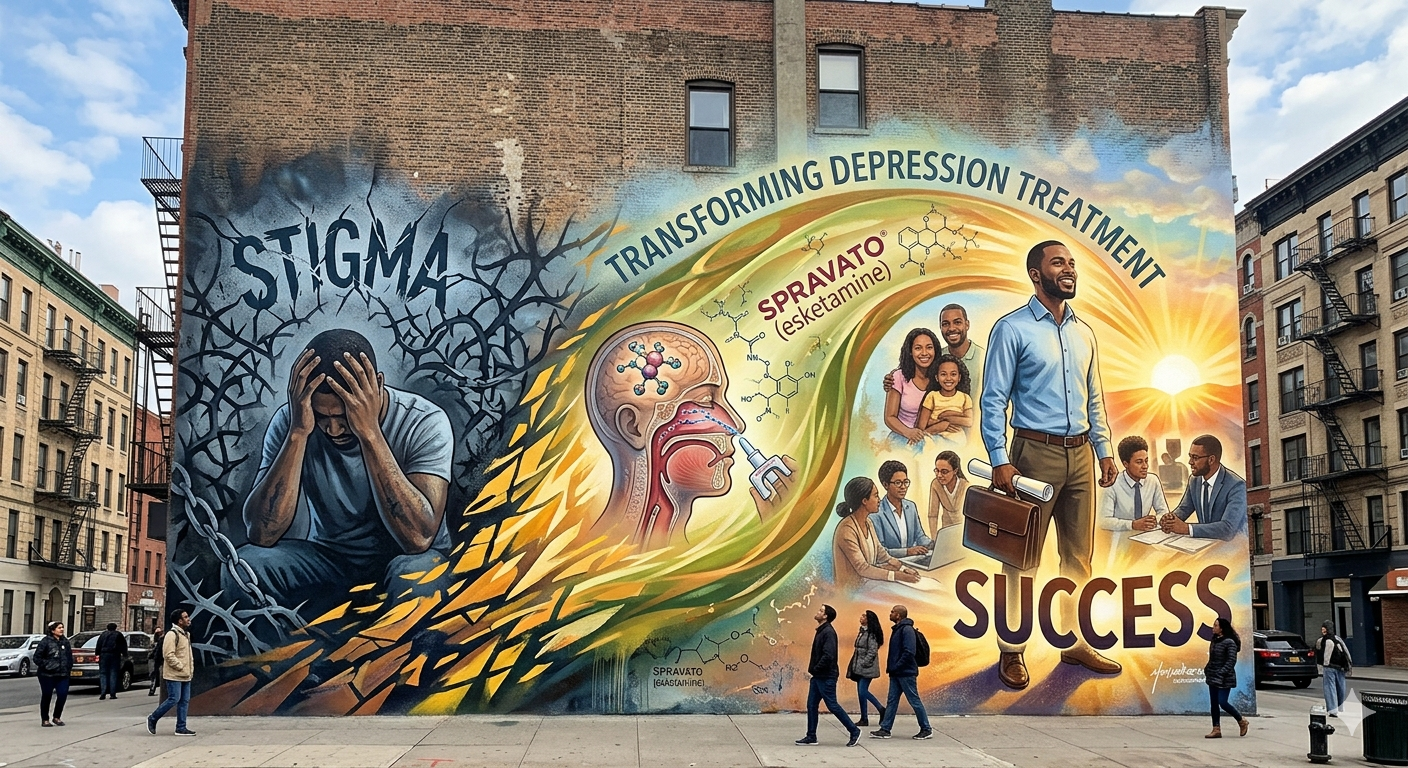
Depression treatment has carried stigma for far too long. Many patients have been told to “push through,” “think positive,” or “try harder,” as if long-term depression were a character flaw instead of a serious health condition. That kind of thinking has kept too many people silent, untreated, and stuck.
Spravato has helped change that conversation. It gives adults with treatment-resistant depression another clinical option when standard antidepressants have not brought enough relief. Spravato is esketamine nasal spray, and it is indicated for treatment-resistant depression in adults as a standalone treatment or with an oral antidepressant. It is also indicated with an oral antidepressant for depressive symptoms in adults with major depressive disorder with acute suicidal ideation or behavior.
The shift matters because depression care needs more than patience and recycled prescriptions. Patients need treatments that match the complexity of their condition, and Spravato has pushed mental health care toward a more structured, supervised, and personalized model.
Why Depression Treatment Needed a New Conversation
For years, many patients followed the same treatment pattern: start an antidepressant, wait several weeks, adjust the dose, switch medications, and repeat the process if symptoms remained. That approach helps many people, but it does not work well enough for everyone.
Treatment-resistant depression can wear down confidence in care. Patients may feel like they have failed treatment, when the reality is that treatment has not yet matched their needs. That distinction matters. A patient who does not respond to standard antidepressants has not failed. The care plan needs a better path.
Spravato has helped reduce stigma by showing that depression treatment can move beyond the older one-size-fits-all model. It gives providers another pathway when previous treatment attempts have not delivered enough progress.
Spravato Works Differently From Many Antidepressants
Many traditional antidepressants affect serotonin, norepinephrine, or dopamine pathways. Spravato works differently. It is a non-competitive NMDA receptor antagonist and affects the glutamate system, although the exact antidepressant mechanism is still not fully understood.
That difference matters because depression is not a simple chemical imbalance. It can involve brain circuits, stress response, trauma history, sleep problems, emotional regulation, and long-standing thought patterns. A treatment that works through another pathway can give selected patients a new clinical direction.
This is one reason Spravato has become important in modern depression care. It does not simply add another medication to the same old list. It expands the treatment conversation for patients who need more than standard options.
From Stigma to Structured Care
One of the strongest parts of Spravato treatment is the structure around it. Patients do not take Spravato at home. They receive it only through the Spravato REMS program because of serious risks, including sedation, dissociation, respiratory depression, abuse, and misuse. Treatment must happen in a certified healthcare setting under direct observation, and patients must be monitored after dosing.
This supervised model helps change how people view advanced depression treatment. It frames care as serious, measured, and medically guided. Patients receive screening, observation, monitoring, and follow-up instead of being left to manage the treatment alone.
That structure also challenges stigma. Depression care deserves the same seriousness as any other health treatment. Spravato reinforces that message by placing safety, clinical oversight, and patient education at the center.
Faster Relief Has Changed Expectations
Spravato has also changed expectations around how quickly some patients may experience improvement. In January 2025, Johnson & Johnson announced FDA approval of Spravato as a standalone treatment for adults with treatment-resistant depression. The announcement reported improvement in depressive symptoms compared with placebo as early as 24 hours and at 28 days in the study supporting approval.
That does not mean every patient improves quickly. Some patients respond early, some improve gradually, and some may not respond enough to continue treatment. Strong care tracks progress instead of selling certainty.
Still, the possibility of faster symptom movement matters. For patients who have spent years waiting through slow medication cycles, faster clinical feedback can restore momentum and make treatment feel possible again.
How Spravato Is Transforming Patient Care
Spravato is transforming depression treatment by changing how providers and patients approach long-term symptoms. It supports a more advanced model of care, especially for people who have not found enough relief from standard antidepressants.
-
It gives treatment-resistant patients another option.
Patients who have tried multiple antidepressants may finally have another serious treatment path to discuss with a qualified provider. -
It challenges outdated stigma around depression.
Spravato reinforces the fact that depression is a health condition that deserves structured care, not judgment or dismissal. -
It supports a supervised treatment model.
Certified administration, direct observation, and post-dose monitoring help make treatment safer and more organized. -
It may provide faster clinical feedback for some patients.
Faster symptom movement can help providers evaluate response sooner and adjust care more thoughtfully. -
It encourages more personalized treatment planning.
Spravato gives providers more flexibility when standard antidepressants have not worked well enough. -
It keeps safety at the center.
The REMS program, monitoring rules, and screening process create guardrails around treatment. -
It can help patients re-engage with recovery.
When symptoms improve, some patients may find it easier to participate in therapy, rebuild routines, and reconnect with daily life.
The Treatment Experience Requires Preparation
Spravato treatment does not feel like taking a standard daily pill. Patients self-administer the nasal spray in a certified healthcare setting while a provider observes. After dosing, they remain under monitoring until the care team determines they are ready to leave.
During treatment, some patients may feel sleepy, dizzy, detached, nauseated, anxious, calm, or disconnected from their surroundings. These effects explain why supervision matters. The clinic setting gives the care team a chance to respond if side effects become uncomfortable or medically concerning.
Patients also need transportation planning. Spravato can affect alertness and coordination, so the treatment day should include enough time for dosing, observation, recovery, and safe travel home.
Safety Still Comes First
Spravato carries serious risks, and those risks should be discussed clearly before treatment begins. FDA labeling includes warnings for sedation, dissociation, respiratory depression, abuse, and misuse. It also notes that patients must be monitored for at least two hours after administration until they are clinically stable.
Some patients should not take Spravato. The prescribing information lists contraindications including aneurysmal vascular disease, arteriovenous malformation, history of intracerebral hemorrhage, or hypersensitivity to esketamine, ketamine, or any medication ingredients.
Honest screening protects patients. A qualified provider should review medical history, blood pressure, heart or brain conditions, liver problems, substance use history, pregnancy status, psychiatric history, and current medications before treatment begins.
Spravato Does Not Replace Crisis Care
Spravato has an approved use with an oral antidepressant for depressive symptoms in adults with major depressive disorder with acute suicidal ideation or behavior. However, the prescribing information states that Spravato has not been shown to prevent suicide or reduce suicidal ideation or behavior.
That distinction matters. Spravato may support care in certain severe depression cases, but patients in crisis still need immediate professional support, safety planning, and the right level of care. If hospitalization is needed, Spravato should not be treated as a replacement.
Strong depression care keeps this line clear. Innovation should never blur safety.
Therapy and Follow-Up Keep Progress Moving
Spravato can help reduce depressive symptoms for some patients, but long-term recovery usually needs more than one treatment. Depression affects routines, sleep, work, relationships, stress response, and emotional regulation. A strong care plan supports the full patient, not only the dosing session.
Therapy, symptom tracking, medication review, lifestyle planning, sleep support, and regular clinical check-ins can help patients build on improvement. Spravato may create movement. Follow-up care helps turn that movement into stronger recovery.
This is where success becomes more realistic. The goal is not a dramatic treatment story. The goal is steady, measurable improvement in daily life.
Why Spravato Matters for the Future of Depression Care
Spravato has helped move depression treatment away from shame and toward science, structure, and patient-specific care. It shows that patients with treatment-resistant depression are not out of options simply because standard antidepressants have not worked.
It has also raised the standard for how advanced depression treatments should be delivered. Screening matters. Monitoring matters. Follow-up matters. A treatment should not only offer hope. It should offer a responsible path for using that hope safely.
For many patients, that shift is the real transformation. Spravato has helped replace silence with conversation, frustration with options, and stigma with supervised care.
Final Thoughts
Spravato is transforming depression treatment by giving selected adults with treatment-resistant depression another serious clinical option. It works differently from many traditional antidepressants, follows a supervised treatment model, and may help some patients experience symptom improvement faster than older treatment timelines.
The promise is meaningful, but the guardrails matter. Spravato requires certified administration, careful screening, monitoring after each dose, and ongoing follow-up. It should not be treated as a casual medication or a guaranteed cure.
From stigma to success, the real progress comes from treating depression with the seriousness it deserves. Spravato is part of that progress because it gives patients and providers another structured path toward relief.
- Managerial Effectiveness!
- Future and Predictions
- Motivatinal / Inspiring
- Fitness and Wellness
- Medical & Health
- Manufacturing
- Education
- Real-Estate
- Food Industry
- Hospitality
- Online Games
- Sports
- Home Services
- Civil Engineering
- Safety and Protection
- Software Products & Services
- Fashion and Jewellery
- Artificial Intelligence
- Entrepreneurship
- Mentoring & Guidance
- Marketing
- Networking
- HR & Recruiting
- Literature
- Shopping
- Career Management & Advancement