

 SkillClick
Aquaculture Market Hindrances Slowing Sustainable Seafood Production and Industry Expansion
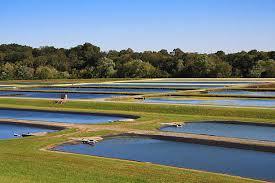
Aquaculture Market Hindrances continue to affect the development and operational efficiency of the global aquaculture industry despite rising seafood demand and growing investment in fish farming technologies. Aquaculture, which includes the farming of fish, shellfish, crustaceans, mollusks, and aquatic plants, has become an important contributor to global food security and seafood supply. However, several operational, environmental, financial, and regulatory hindrances continue to slow industry expansion across multiple regions.
The aquaculture industry faces hindrances related to disease outbreaks, climate change, rising feed costs, infrastructure limitations, environmental sustainability concerns, and regulatory complexities. These challenges affect production capacity, profitability, and long-term market stability for aquaculture producers worldwide.
Disease Outbreaks Hindering Production Efficiency
One of the most significant hindrances within the aquaculture market is the increasing occurrence of disease outbreaks among aquatic species. Fish and shrimp farming operations are highly vulnerable to bacterial, viral, fungal, and parasitic infections, especially in high-density farming systems.
Poor water quality, overcrowded ponds, and inadequate biosecurity measures often increase the spread of diseases across aquaculture facilities. Disease outbreaks can result in substantial production losses, reduced seafood quality, and major financial damage for producers.
High Feed Costs Restricting Profitability
Feed expenses remain one of the largest operational hindrances affecting aquaculture market growth. Fish feed represents a major portion of total production costs, and fluctuations in raw material prices can significantly reduce profitability for aquaculture producers.
Traditional fishmeal and fish oil ingredients are becoming increasingly expensive due to rising global demand and limited marine resources. Transportation costs and supply chain disruptions are also contributing to higher feed prices across the industry.
Environmental Sustainability Challenges
Environmental concerns continue to create major hindrances within the aquaculture market. Intensive fish farming operations may contribute to water pollution, habitat degradation, and ecosystem imbalance if waste management systems are not properly maintained.
Fish waste, uneaten feed, and chemical residues can negatively affect surrounding aquatic ecosystems and reduce water quality. Concerns regarding antibiotic use and chemical treatments are also increasing pressure on producers to improve environmental practices.
Climate Change Creating Operational Difficulties
Climate change is becoming an increasingly important hindrance affecting aquaculture operations worldwide. Rising water temperatures, changing ocean conditions, and extreme weather events are creating additional risks for seafood production systems.
Warmer water temperatures can reduce oxygen levels and increase stress among aquatic species, negatively affecting fish growth and survival rates. Climate-related environmental changes may also accelerate the spread of diseases and harmful algal blooms.
Infrastructure Limitations Slowing Industry Development
Inadequate infrastructure remains a major hindrance affecting aquaculture market expansion in several developing and emerging economies. Limited access to hatcheries, feed production facilities, seafood processing plants, cold-chain logistics, and transportation networks can reduce production efficiency and seafood quality.
Poor storage infrastructure may increase seafood spoilage and reduce shelf life during transportation and distribution. Electricity shortages and weak water management systems may further affect operational stability and productivity.
Regulatory and Licensing Obstacles
Regulatory complexities represent another important hindrance affecting aquaculture market growth. Governments are introducing stricter licensing procedures, environmental regulations, seafood safety standards, and sustainability certifications to improve responsible seafood production.
Aquaculture operators are often required to comply with water usage policies, waste management standards, and environmental monitoring requirements. Meeting these regulations may increase operational costs and create administrative burdens for producers.
Technology Adoption Challenges Affecting Smaller Producers
Although advanced technologies are improving aquaculture productivity, many producers continue to face challenges related to technology adoption. Smart monitoring systems, automated feeding technologies, artificial intelligence platforms, and recirculating aquaculture systems often require significant investment.
Small and medium-sized aquaculture businesses may lack the financial resources and technical expertise needed to implement modern farming technologies. Limited internet connectivity and inadequate digital infrastructure in rural regions may further slow modernization efforts.
Supply Chain and Market Competition Pressures
Global supply chain disruptions and intense market competition are also creating hindrances for aquaculture producers. Transportation delays, cold-chain disruptions, and rising logistics costs may reduce seafood quality and increase product losses.
Export-oriented aquaculture operations are particularly vulnerable to changing trade regulations, fluctuating seafood prices, and international market competition. Smaller producers may struggle to compete with large commercial farming operations that benefit from advanced technologies and economies of scale.
- Managerial Effectiveness!
- Future and Predictions
- Motivatinal / Inspiring
- Fitness and Wellness
- Medical & Health
- Manufacturing
- Education
- Real-Estate
- Food Industry
- Hospitality
- Online Games
- Sports
- Home Services
- Civil Engineering
- Safety and Protection
- Software Products & Services
- Fashion and Jewellery
- Artificial Intelligence
- Entrepreneurship
- Mentoring & Guidance
- Marketing
- Networking
- HR & Recruiting
- Literature
- Shopping
- Career Management & Advancement