

 SkillClick
The Glass Monolith as a Symbol of Evolving Architectural Intelligence
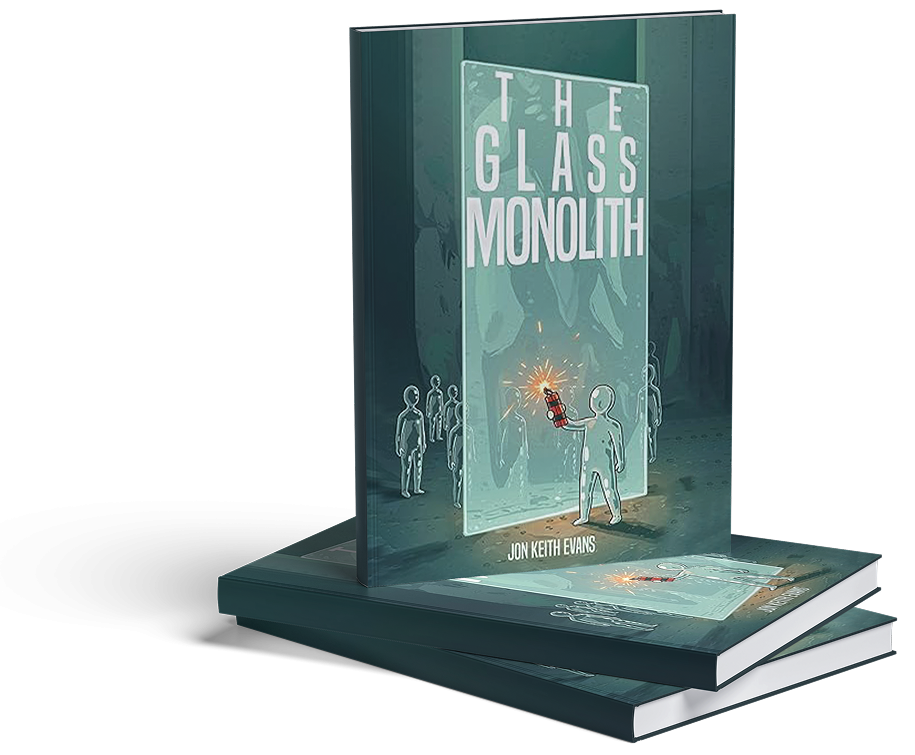
The concept of The Glass Monolith represents a refined direction in architectural thinking where intelligence, clarity, and adaptability converge into a unified system of design. Through the conceptual lens of Jon K Evans, it evolves beyond a simple structural idea into a framework that reflects how modern architecture responds to both technological progress and human perception. Instead of being confined to physical boundaries, it expands into a dynamic experience shaped by light behavior, transparency, and digital interaction across different environments and contexts. This approach allows architecture to function as a responsive and evolving entity rather than a static form limited by traditional definitions. The Glass Monolith therefore becomes a symbol of architectural intelligence where structure, perception, and experience exist in continuous balance, forming a deeper connection between built form and human understanding.
Intelligence Within Architectural Design
Architecture as a Thinking System
In the vision of Jon K Evans, architecture is not only a built environment but also a thinking system that processes interaction, perception, and spatial awareness in real time. The Glass Monolith reflects this by functioning as a conceptual model where design decisions are guided by both logical reasoning and experiential feedback. This transforms architecture into an active participant in human interaction rather than a passive structure that simply exists. Spaces begin to respond to observation, movement, and contextual changes in subtle yet meaningful ways. As a result, architecture becomes more than form, it becomes a system of intelligent spatial communication that evolves continuously with its users.
Transparency as Cognitive Clarity
Transparency in The Glass Monolith represents cognitive clarity within architectural space, allowing users to intuitively understand and navigate their environment. Jon K Evans uses glass to create environments that are visually open, structured, and mentally accessible without unnecessary complexity. This reduces visual noise and allows the observer to perceive spatial relationships more clearly and naturally. Transparency enhances awareness by removing barriers between different elements of design while maintaining structural integrity. It creates a direct and uninterrupted connection between user and environment, making architecture easier to experience, interpret, and engage with on a deeper level.
Digital Awareness in Spatial Design
Digital awareness plays a key role in shaping The Glass Monolith as an intelligent architectural concept that adapts and evolves over time. Jon K Evans incorporates computational thinking to refine how space behaves under different conditions and scenarios. This allows architecture to respond dynamically through simulation, modeling, and data-driven design processes. Digital tools provide detailed insights into structure, light interaction, and spatial relationships with a high level of precision. This integration makes architecture more responsive, efficient, and forward-thinking while supporting continuous improvement and innovation.
Structural Identity and Design Logic
Geometry as Logical Framework
Geometry within The Glass Monolith acts as a logical framework that organizes spatial relationships and ensures structural clarity across the entire design. Jon K Evans uses precise geometric arrangements to create balance, symmetry, and coherence within the architectural form. Each shape and proportion contributes to a consistent and understandable visual language that guides perception. Geometry ensures that space is both functional and aesthetically aligned in a meaningful and structured way. It becomes the foundation for architectural intelligence, connecting design intent with spatial experience.
Light as Experiential Energy
Light serves as experiential energy within The Glass Monolith, shaping how space is perceived, felt, and understood over time. According to Jon K Evans, light interacts with glass surfaces to create movement, depth, reflection, and subtle transformations throughout the day. These changes influence emotional and sensory responses, making the environment feel dynamic and alive. Light becomes an active force that enhances architectural experience rather than remaining a passive condition. This continuous interaction between light and structure reinforces the evolving nature of architectural space.
Minimalism as Intelligent Design
Minimalism in Jon K Evans philosophy is not just about simplicity but about intelligent design focused on clarity, purpose, and efficiency. The Glass Monolith removes unnecessary elements to highlight essential structure and conceptual meaning without distraction. This creates a refined and focused environment that enhances both usability and understanding for the observer. Minimalism supports efficiency while maintaining strong visual and conceptual impact. It strengthens the overall design by ensuring that every element contributes meaningfully to the architectural experience.
Future Systems of Architecture
Algorithmic Intelligence in Design
Algorithmic intelligence shapes the future of The Glass Monolith by introducing precision, adaptability, and efficiency into architectural design processes. Jon K Evans uses computational systems to generate, analyze, and refine structural variations with a high level of accuracy. This allows architecture to evolve based on data, interaction, and environmental input rather than fixed assumptions. Algorithms enhance both creativity and structural consistency in design development. They play a central role in shaping modern architectural innovation and future-ready design systems.
Simulation Driven Development
Simulation driven development is essential in understanding The Glass Monolith before physical realization or final conceptualization. Jon K Evans uses advanced digital environments to test spatial behavior, light interaction, and environmental response in a controlled setting. This helps identify strengths, limitations, and opportunities for improvement within the design process. Simulation allows exploration of ideas without physical constraints, encouraging creativity and experimentation. It becomes a powerful tool for refining and advancing architectural concepts with greater confidence.
Responsive and Intelligent Environments
The future of The Glass Monolith lies in responsive environments that adapt to user needs, environmental conditions, and contextual changes over time. Jon K Evans envisions architecture that reacts in real time to different inputs such as light levels, movement patterns, and spatial usage. This creates environments that are dynamic, flexible, and interactive in nature. Architecture becomes more efficient, personalized, and aligned with user experience. It represents a shift toward intelligent living environments that continuously evolve and improve.
FAQs
How does The Glass Monolith differ from traditional architectural concepts?
It focuses on intelligence, adaptability, and perception rather than static physical structure.
What makes Jon K Evans design philosophy forward-thinking?
His integration of digital tools, transparency, and conceptual clarity drives modern innovation.
Can The Glass Monolith concept support smart building systems?
Yes, it aligns well with adaptive and technology-driven architectural environments.
Why is minimalism important in intelligent architecture?
It enhances clarity, efficiency, and strengthens the purpose of design elements.
How does light contribute to spatial intelligence?
It shapes perception, atmosphere, and interaction within architectural space dynamically.
Design Exploration Suggestions
-
Study The Glass Monolith as a framework for intelligent spatial design
-
Explore transparency for improved clarity and user interaction
-
Use computational tools to develop adaptive architectural concepts
-
Focus on geometry for structured and logical design systems
-
Analyze light as a dynamic force in architectural environments
Conclusion
The Glass Monolith represents a new level of architectural thinking where intelligence, clarity, and adaptability come together to redefine spatial design. Through the perspective of Jon K Evans, architecture becomes a responsive system that interacts with users and environment in meaningful and evolving ways. Transparency, geometry, and digital innovation create a framework that is both flexible and precise in execution. This approach challenges traditional methods and introduces a more advanced and thoughtful understanding of space and structure. Ultimately, The Glass Monolith stands as a symbol of intelligent architecture and the future direction of modern design thinking.
- Managerial Effectiveness!
- Future and Predictions
- Motivatinal / Inspiring
- Fitness and Wellness
- Medical & Health
- Manufacturing
- Education
- Real-Estate
- Food Industry
- Hospitality
- Online Games
- Sports
- Home Services
- Civil Engineering
- Safety and Protection
- Software Products & Services
- Fashion and Jewellery
- Artificial Intelligence
- Entrepreneurship
- Mentoring & Guidance
- Marketing
- Networking
- HR & Recruiting
- Literature
- Shopping
- Career Management & Advancement