

 SkillClick
Cardboard Price Trend June 2026: China vs USA Rates
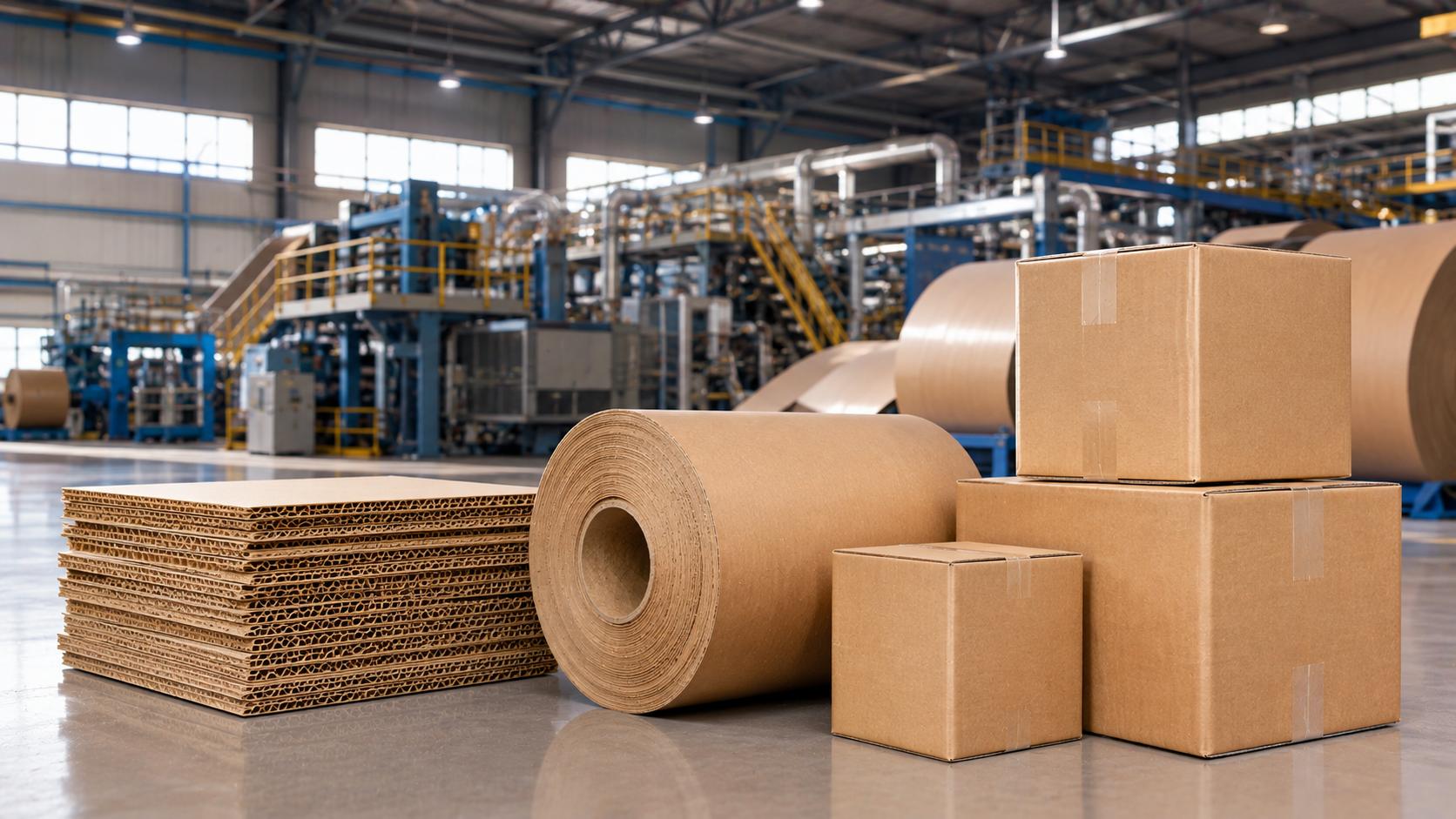
Cardboard Price Trend June 2026: What's Behind the China-USA Gap
Cardboard just got a fresh price update, and the numbers are worth sitting with for a minute. In China, cardboard is trading at USD 615.00 per metric ton on an EXW basis as of June 2026. In the USA, the same product is going for USD 812.86 per metric ton, CIF. That's not a small difference. Nearly USD 198 separates the two, and anyone buying packaging materials in bulk should care why.
Cardboard sounds boring until you're the one paying for it. It shows up in shipping boxes, retail packaging, e-commerce fulfillment, product displays. Basically anywhere something needs to get from a warehouse to a customer without falling apart. When cardboard prices shift, packaging budgets shift right along with them.
Current Cardboard Prices: China vs USA
| Product | Region | Incoterm Basis | Price | Last Updated |
|---|---|---|---|---|
| Cardboard | China | EXW | USD 615.00/MT | June 2026 |
| Cardboard | USA | CIF | USD 812.86/MT | June 2026 |
Price Source :- Procurement Resource
USD 197.86 per metric ton. That's the gap. Multiply that across a container load and it stops being a rounding error.
A few things shape this comparison, and they matter more than the headline number:
- China's price is EXW. That means the buyer picks up costs like freight, insurance, and export handling on their own end. The USD 615.00 figure is basically the factory gate price.
- USA's price is CIF. Freight and insurance are already folded in. So you're comparing an ex-works quote against a fully landed one, which naturally skews things.
- Both prices reflect June 2026. Not a yearly average. Cardboard, like most commodities, doesn't sit still for long.
So is China really the "cheaper" market? Not exactly. Once you add freight and insurance onto that EXW number to make it comparable to USA's CIF figure, a chunk of that USD 197.86 gap probably closes. Some of it. Not all.
Quick Q&A: The Gap Explained
Is the USA-China cardboard price gap mostly about production cost?
Not really. A big piece of it comes down to incoterms. EXW versus CIF isn't an apples-to-apples comparison, and buyers who forget that end up making sourcing decisions off skewed numbers.
Does that mean China is definitely cheaper once you add freight?
Often, yes. Even after adding shipping and insurance, China-sourced cardboard tends to land lower than domestically priced USA cardboard, especially for buyers running large volumes. It's not guaranteed though. Freight rates swing.
What about quality differences?
Fair question. Price alone doesn't tell you about board strength, moisture resistance, or consistency between batches. Buyers comparing these two markets should ask for spec sheets, not just quotes.
Why Cardboard Prices Move the Way They Do
Pulp costs sit at the center of this. Cardboard comes from kraft paper and recycled fiber, and when pulp prices climb, mills pass that straight through. There's not a lot of buffer built into cardboard margins to absorb a spike quietly.
Recycled content availability matters too. A lot of cardboard production leans on recovered paper. When collection rates dip, or when demand for recycled fiber spikes elsewhere, mills pay more to source it. That cost lands on the buyer eventually.
Energy costs play a role as well. Paper mills run hot, literally. Natural gas and electricity prices feed directly into production cost, and mills in regions with cheaper energy tend to hold an edge on pricing.
Then there's freight. Container rates on trans-Pacific routes have been anything but stable the last few years. A jump in shipping costs alone can eat into the price advantage that China's lower EXW rate might otherwise offer.
Currency plays its part too. Cardboard trades internationally in dollars for the most part. A weaker yuan makes Chinese exports look cheaper to dollar-based buyers, even if nothing changed on the production side.
What This Means for Buyers and Investors
Packaging buyers sourcing from China get an appealing headline number with that EXW rate. Just don't stop there. Freight, customs clearance, insurance, and lead time all need to get added back in before comparing it fairly against a domestic supplier.
USA-based buyers paying CIF rates already have a fully loaded number in front of them. Less guesswork, fewer surprises on the invoice. That convenience often comes at a real premium though, and this data shows exactly how much.
Investors watching packaging and paper sectors should pay attention to that pulp and recycled fiber input chain. Cardboard margins are thin enough that any disruption there, a bad harvest season for wood fiber, a recycling collection shortfall, shows up in pricing fast.
For procurement teams working across borders, this comparison is a reminder to normalize pricing terms before making sourcing calls. An EXW quote and a CIF quote sitting side by side will always look misleading until someone does the math to make them comparable.
Looking Ahead: Cardboard Price Trend for the Rest of 2026
Nobody's got a crystal ball here, but a few things are worth watching. Pulp prices, recycled fiber availability, ocean freight rates. Those three factors alone will likely decide whether this China-USA gap holds, narrows, or widens through the back half of 2026.
Energy costs are another wildcard. If natural gas prices climb in either region, mill operating costs go up, and that pressure eventually reaches the price tag.
Buyers locking in supply contracts right now should treat June 2026 numbers as a snapshot, not a promise. Cardboard pricing moves with its inputs, and those inputs don't hold steady for long stretches.
Conclusion
The cardboard price trend for June 2026 puts China at USD 615.00/MT EXW and the USA at USD 812.86/MT CIF. On the surface that's a wide gap, but incoterms explain a good chunk of it, and pulp costs, recycled fiber supply, freight, and currency shifts explain the rest. Anyone buying cardboard at volume, or advising someone who does, should treat this pricing data as a starting reference point, then build out the full landed cost before drawing conclusions.
FAQ Section
What is the current cardboard price trend in China and USA?
As of June 2026, China's cardboard price is USD 615.00/MT on an EXW basis, while USA cardboard runs USD 812.86/MT CIF. The gap reflects both incoterm differences and real cost variation between the two markets, including freight and production inputs.
Why is China's EXW price lower than the USA's CIF price?
EXW pricing excludes freight, insurance, and export costs, all of which the buyer covers separately. CIF already includes those. So part of the USD 197.86 gap comes purely from how each price is quoted, not from production cost alone.
What drives cardboard prices up or down?
Pulp and recycled fiber costs matter most, followed by energy prices at the mill level, ocean freight rates, and currency movement. Cardboard runs on thin margins, so cost changes anywhere in that chain get passed to buyers fairly fast.
How reliable are these June 2026 cardboard prices for future planning?
They're a solid benchmark but not a forecast. Cardboard pricing shifts with pulp costs, freight rates, and currency swings, sometimes within weeks. Buyers negotiating longer contracts should check for updated pricing rather than locking in off older figures.
Is sourcing cardboard from China actually cheaper than buying domestically in the USA?
Often, yes, even after adding freight and insurance to China's EXW rate. It's not guaranteed though. Shipping costs, lead times, and quality consistency all factor into the real comparison, so buyers should look past the headline price before deciding.
- Managerial Effectiveness!
- Future and Predictions
- Motivatinal / Inspiring
- Fitness and Wellness
- Medical & Health
- Manufacturing
- Образование
- Real-Estate
- Food Industry
- Hospitality
- Online Games
- Sports
- Home Services
- Civil Engineering
- Safety and Protection
- Software Products & Services
- Fashion and Jewellery
- Artificial Intelligence
- Entrepreneurship
- Mentoring & Guidance
- Marketing
- Networking
- HR & Recruiting
- Literature
- Shopping
- Career Management & Advancement