

 SkillClick
How Much Does a Quality Rechargeable Cell Cost
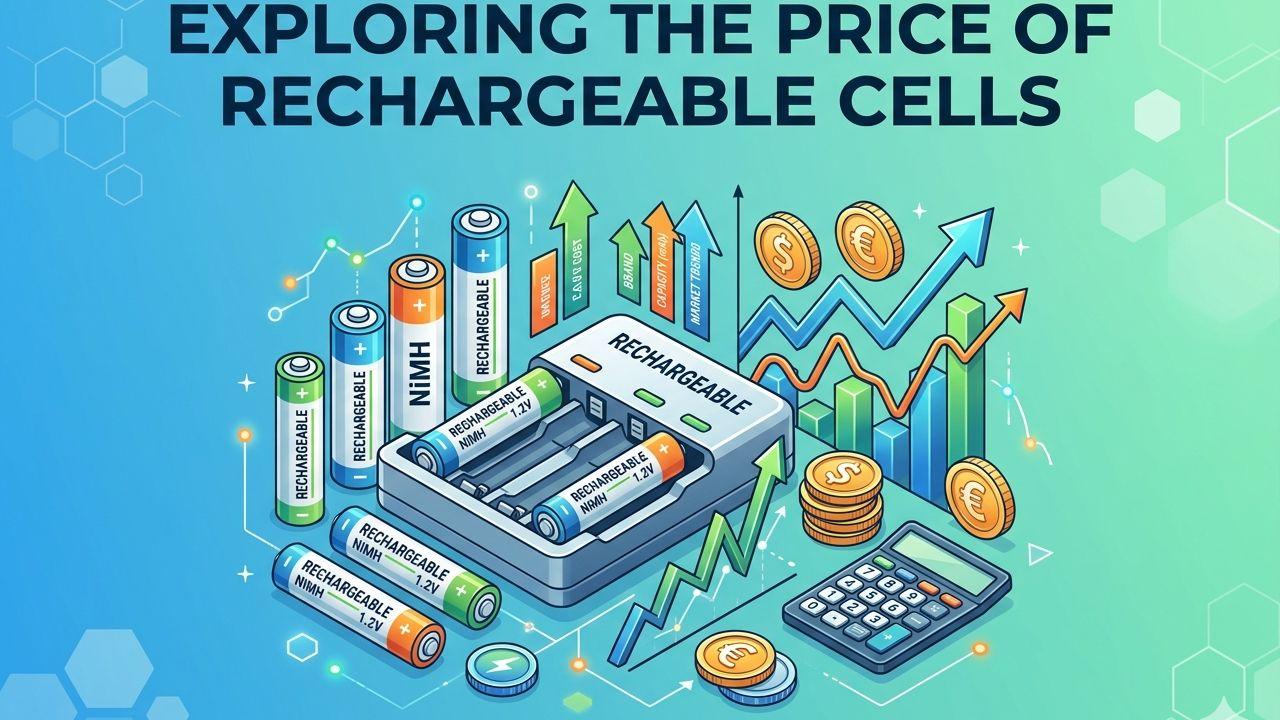
Rechargeable cells, also known as secondary batteries, are designed to be used multiple times, unlike primary batteries that are disposed of after one use. They are highly versatile and environmentally friendly, reducing waste and overall costs in the long run. The price of rechargeable cell varies depending on multiple factors, including capacity, chemical composition, brand, and intended use.
Consumers often encounter a wide range of prices when shopping for rechargeable batteries. From low-cost nickel-cadmium (NiCd) cells to high-capacity lithium-ion (Li-ion) batteries, each option serves specific purposes. Understanding these differences helps consumers select the best product for their needs while staying within budget.
Factors Affecting the Price of Rechargeable Cells
Several key elements influence the cost of rechargeable cells. Knowing these can help buyers make smarter choices:
1. Battery Chemistry
Rechargeable cells are made using different chemical compounds, and the chemistry directly affects performance, lifespan, and cost:
-
Nickel-Cadmium (NiCd): Older technology, lower cost, durable but has memory effect issues.
-
Nickel-Metal Hydride (NiMH): Moderate cost, higher capacity than NiCd, commonly used in household electronics.
-
Lithium-ion (Li-ion): High cost, lightweight, high energy density, widely used in smartphones, laptops, and cameras.
-
Lithium Polymer (Li-Po): Advanced technology, flexible form factor, and high efficiency but comes at a premium price.
The more advanced the chemistry, the higher the price of rechargeable cell. For example, Li-ion batteries are generally priced higher than NiMH cells but provide better performance and longer lifespan.
2. Battery Capacity
Battery capacity, measured in milliampere-hours (mAh) or ampere-hours (Ah), determines how long a battery can power a device before needing a recharge. Higher capacity batteries usually cost more because they store more energy. For instance:
-
A 2000 mAh NiMH AA battery might cost $3-$5 per unit.
-
A 3000 mAh Li-ion 18650 cell could cost $8-$12 per unit.
Consumers should balance capacity with price to ensure that the battery meets their device’s energy requirements without overspending.
3. Brand and Quality
Well-known brands often charge a premium for reliability, warranty, and safety certifications. Generic or unbranded batteries may be cheaper but can have inconsistent performance and a higher risk of leakage or failure. Choosing reputable brands ensures long-term efficiency, justifying a slightly higher price of rechargeable cell.
4. Quantity and Packaging
Buying rechargeable cells in bulk can reduce the per-unit cost. Many retailers offer packs of 4, 8, or 12 cells at a discounted rate. Additionally, packaging that includes a charger or protective case may increase the overall price but adds convenience and value.
5. Technology and Special Features
Modern rechargeable cells may include features like fast-charging capability, low self-discharge, or built-in protection circuits. These technological improvements contribute to a higher price but enhance safety and usability, especially for high-demand electronics.
Common Types of Rechargeable Cells and Their Price Range
Let’s explore the main types of rechargeable cells, their common applications, and approximate price ranges:
1. AA and AAA Batteries
These are the most widely used rechargeable cells for household devices like remotes, toys, and flashlights.
-
NiMH AA (2000–2500 mAh): $2–$5 per battery
-
NiMH AAA (800–1000 mAh): $1.5–$3 per battery
-
Li-ion AA (approx. 3000 mAh): $5–$10 per battery
AA and AAA rechargeable cells are cost-effective for frequent use and reduce long-term battery expenses.
2. 18650 Lithium-ion Cells
These cylindrical cells are popular in high-drain devices such as laptops, flashlights, and e-bikes.
-
Capacity: 2500–3500 mAh
-
Price: $6–$12 per cell
High-quality brands may include built-in protection circuits for safety, slightly increasing the price of rechargeable cell.
3. Button Cells
Rechargeable button cells are used in small electronics like watches, calculators, and hearing aids.
-
NiMH button cells: $4–$7 per unit
-
Li-ion button cells: $8–$15 per unit
Though small, these cells require precision manufacturing, contributing to their relatively higher price.
4. Car and Deep Cycle Batteries
Rechargeable lead-acid and lithium-ion batteries are widely used in vehicles and solar storage systems.
-
Lead-acid (12V, 7Ah): $40–$60
-
Lithium-ion (12V, 20Ah): $150–$300
The price of rechargeable cell in these applications reflects higher energy capacity and long-term reliability.
How to Choose the Right Rechargeable Cell
Selecting the ideal rechargeable cell requires evaluating your device’s requirements and balancing price with performance:
1. Check Device Compatibility
Always verify the voltage, size, and capacity requirements. Using a battery that does not match your device specifications can lead to poor performance or even damage.
2. Compare Lifespan and Cycle Count
Rechargeable cells are rated for a number of charge-discharge cycles. A higher cycle count may justify a higher price because it ensures longer service life. For example:
-
NiMH: 500–1000 cycles
-
Li-ion: 300–500 cycles (per design, but higher-end cells may last longer)
3. Evaluate Safety Features
Look for built-in protection against overcharging, overheating, and short-circuiting. Safety-certified cells may cost more initially but prevent damage to devices and reduce risk to users.
4. Consider Environmental Impact
Rechargeable cells reduce disposable battery waste. Investing slightly more in a higher-quality, long-lasting battery may lower overall environmental impact.
Practical Examples: Comparing Prices in 2026
Here’s a practical look at current market prices:
| Battery Type | Capacity | Price Range (USD) | Ideal For |
|---|---|---|---|
| NiMH AA | 2000 mAh | 2–5 | Toys, remotes, flashlights |
| NiMH AAA | 900 mAh | 1.5–3 | Smaller household devices |
| Li-ion 18650 | 3000 mAh | 6–12 | Flashlights, laptops, e-bikes |
| Li-ion Button Cell | 40 mAh | 8–15 | Watches, small electronics |
| Lead-acid 12V 7Ah | 7 Ah | 40–60 | Motorbikes, UPS systems |
| Li-ion 12V 20Ah | 20 Ah | 150–300 | Solar energy storage, EVs |
These examples show that the price of rechargeable cell varies widely based on type, capacity, and application. Budget-conscious buyers should weigh initial cost against lifespan and device requirements.
Buying Rechargeable Cells Online
Purchasing rechargeable cells online offers convenience, detailed specifications, and competitive pricing. Websites like Lion Cell provide a wide range of options, including NiMH, Li-ion, and specialty cells. They also offer detailed product descriptions, pricing transparency, and customer reviews to help buyers choose the right battery. Moreover, online platforms often provide bundle deals, warranty options, and reliable shipping, making them a convenient choice for both individual users and businesses. Checking for certifications and authenticity on platforms like Lion Cell ensures safety and long-term reliability.
Conclusion
Understanding the price of rechargeable cell is crucial for making informed decisions in today’s electronics-driven world. Prices vary depending on battery chemistry, capacity, brand, safety features, and intended use. While budget-friendly options exist, investing in high-quality rechargeable cells ensures longer lifespan, better performance, and enhanced safety. By considering device compatibility, lifespan, and environmental impact, buyers can select the most suitable rechargeable cell for their needs.
Online retailers like Lion Cell provide an easy and reliable way to compare and purchase batteries, ensuring convenience, safety, and value for money. Choosing the right rechargeable cell not only saves money in the long run but also contributes to environmental sustainability by reducing disposable battery waste.
- Managerial Effectiveness!
- Future and Predictions
- Motivatinal / Inspiring
- Fitness and Wellness
- Medical & Health
- Manufacturing
- Formazione
- Real-Estate
- Food Industry
- Hospitality
- Online Games
- Sports
- Home Services
- Civil Engineering
- Safety and Protection
- Software Products & Services
- Fashion and Jewellery
- Artificial Intelligence
- Entrepreneurship
- Mentoring & Guidance
- Marketing
- Networking
- HR & Recruiting
- Literature
- Shopping
- Career Management & Advancement