

 SkillClick
When Is Cyst Removal Necessary? Signs You Shouldn’t Ignore
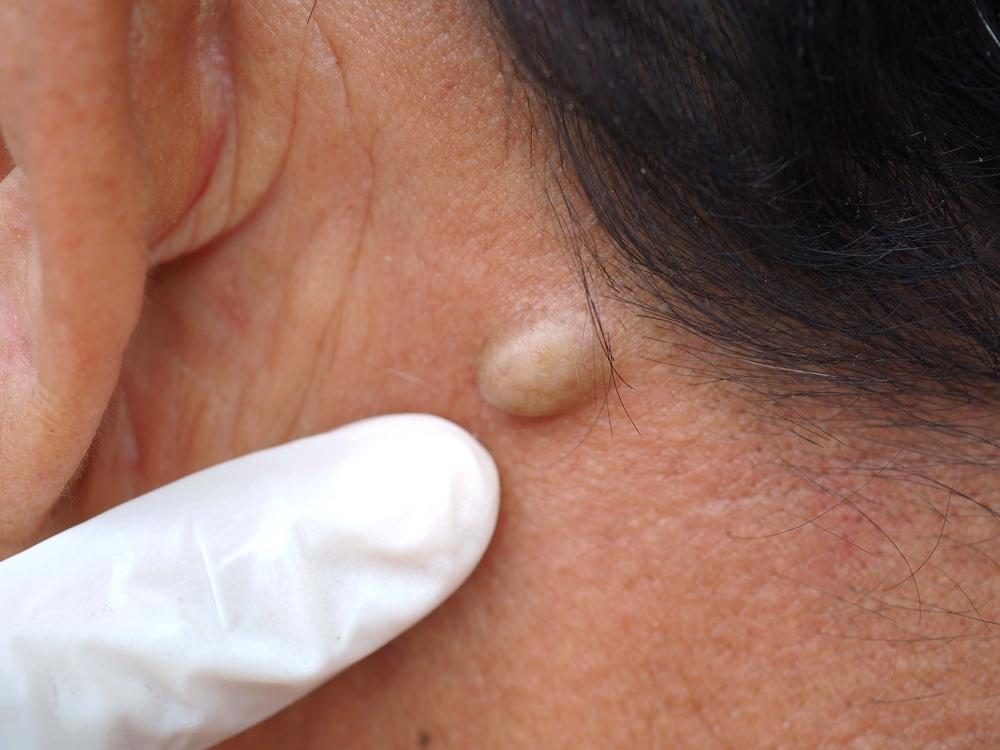
Emma noticed a small, round bump on her shoulder. It was painless, barely visible, and easy to ignore. Months later, it felt firmer and slightly tender when she slept on that side. What started as a harmless lump slowly became uncomfortable and concerning. Skin cysts often begin quietly, without pain or urgency. Because they are commonly benign, many people postpone medical advice. However, changes in size, sensation, or appearance can signal that removal may be necessary. Clinics such as a Harley street dermatology clinic London frequently evaluate patients who waited until symptoms became more disruptive than expected.
“Minor changes in the body often speak louder over time.”
What Is a Skin Cyst and Why Does It Form?
A cyst is a closed sac beneath the skin filled with fluid, keratin, or other material.
It typically appears as a round, movable lump and can develop due to blocked hair follicles, skin trauma, or trapped cells. Most cysts grow slowly and remain painless for long periods. They are commonly found on the face, neck, back, or scalp. Although generally harmless, cysts can enlarge or become inflamed. Understanding their origin helps patients recognize when monitoring is sufficient and when professional care becomes important.
Signs a Cyst Is Growing Too Large
Gradual enlargement can lead to functional or cosmetic issues.
- Noticeable increase in size over weeks or months
- Tightness in surrounding skin
- Visible bulge under clothing
- Pressure when lying or sitting
- Interference with movement if near joints
- Difficulty covering with makeup or hair
- Increased awareness of its presence
Large cysts may require more involved procedures compared to smaller ones.
Symptoms of Infection You Shouldn’t Ignore
Infection is one of the most common reasons for removal.
- Redness around the cyst
- Warmth to the touch
- Swelling beyond the original lump
- Pain or throbbing sensation
- Pus or drainage
- Fever in severe cases
- Rapid change in size
Prompt evaluation reduces the risk of spreading infection and complications.
When Pain or Discomfort Becomes Persistent
Even without infection, discomfort can signal a need for action.
- Ongoing tenderness when touched
- Irritation from clothing friction
- Pain during exercise
- Pressure on nearby nerves
- Difficulty sleeping due to location
- Sensitivity during grooming or shaving
- Repeated inflammation episodes
Persistent symptoms rarely resolve permanently without intervention.
The Risks of Repeated Rupture or Drainage
Some people attempt to squeeze or drain cysts at home, which often leads to recurrence. Temporary drainage does not remove the cyst wall, meaning it can refill over time. Repeated rupture may cause scarring, inflammation, or infection. Clinics offering cyst removal London focus on complete removal of the cyst capsule to reduce the likelihood of recurrence. Addressing the cyst professionally rather than repeatedly draining it at home often leads to more reliable, long-term results.
Cosmetic Concerns That Justify Removal
Appearance can be a valid medical consideration.
- Visible lump on the face or neck
- Asymmetry affecting confidence
- Makeup difficulty over raised areas
- Self-consciousness in social settings
- Avoidance of certain hairstyles
- Persistent worry about others noticing
- Frustration with long-term visibility
Removing a cyst for cosmetic reasons is a common and reasonable decision.
How Cyst Removal Is Typically Performed
Modern removal techniques aim for complete extraction with minimal disruption.
- Local anesthesia to numb the area
- Small incision over the cyst
- Careful removal of contents and capsule
- Cleaning of surrounding tissue
- Suturing if required
- Short in-clinic procedure time
- Same-day return home
Proper removal reduces recurrence compared to simple drainage.
Recovery and Safety Considerations
Cyst removal is generally considered a minor outpatient procedure.
Mild swelling or bruising may occur in the first few days. Keeping the area clean and following aftercare instructions supports smooth healing. Stitches, if used, are often removed within a short period. Most patients resume daily routines quickly, though strenuous activity may be paused briefly depending on location. Professional care reduces infection risk and limits scarring.
“Complete treatment is often simpler than repeated temporary fixes.”
When Monitoring May Still Be Appropriate
Not every cyst requires immediate removal.
- Small and stable in size
- No signs of infection
- Completely painless
- Located in a non-irritated area
- No cosmetic concern
- Confirmed benign by medical assessment
- Patient comfortable with observation
- Regular evaluation ensures that monitoring remains a safe choice.
Cyst Removal vs Continued Observation
| Factor | Early Removal | Delayed Removal | Monitoring Only |
|---|---|---|---|
| Size at Treatment | Smaller | Often Larger | Stable |
| Infection Risk | Lower | May Increase | Possible |
| Recurrence Likelihood | Reduced with full removal | Higher if repeatedly drained | Depends on changes |
| Cosmetic Impact | Addressed sooner | Visible longer | Ongoing |
| Procedure Complexity | Usually simpler | May become more involved | Not applicable |
Frequently Asked Questions
Can a cyst disappear on its own?
Some cysts remain stable, but many persist without fully resolving.
Is cyst removal painful?
Local anesthesia minimizes discomfort during the procedure.
Will the cyst return after removal?
Recurrence is unlikely if the entire capsule is removed.
How long does recovery take?
Most people resume normal activities within days.
Should I squeeze a cyst at home?
Home squeezing often leads to recurrence or infection and is not recommended.
To Round Things Off
Cysts often begin as small, harmless lumps, but certain changes should not be ignored. Growth, infection, pain, or repeated drainage are strong indicators that removal may be necessary. Acting early can simplify treatment and prevent avoidable discomfort. Monitoring is appropriate in select cases, but professional evaluation ensures safe decision-making. When symptoms evolve, timely action supports smoother recovery and lasting reassurance.
“Paying attention to early signs often prevents bigger problems later.”
- Managerial Effectiveness!
- Future and Predictions
- Motivatinal / Inspiring
- Fitness and Wellness
- Medical & Health
- Manufacturing
- Education
- Real-Estate
- Food Industry
- Hospitality
- Online Games
- Sports
- Home Services
- Civil Engineering
- Safety and Protection
- Software Products & Services
- Fashion and Jewellery
- Artificial Intelligence
- Entrepreneurship
- Mentoring & Guidance
- Marketing
- Networking
- HR & Recruiting
- Literature
- Shopping
- Career Management & Advancement