

 SkillClick
The Digital Identity of Power: What is a "Battery Passport" and How Does it Work?
The global shift toward electric mobility is not just about changing what is under the hood; it is about reinventing how we track the life of every component within a vehicle. As electric vehicles (EVs) become the standard, the complexity of their power sources—massive lithium-ion battery packs—has created a need for a "Battery Passport." A battery passport is essentially a digital twin or a comprehensive electronic record that travels with a battery throughout its entire lifecycle. It starts at the point of raw material extraction, continues through the assembly line, tracks usage in the vehicle, and finally guides the recycling process. This digital document aims to provide transparency, ensuring that every kilowatt-hour of energy is accounted for and that the environmental impact is minimized through precise data management.
Tracking the Lifecycle: From Mine to Mall and Beyond
The true power of a battery passport lies in its ability to track "Chain of Custody." This means that every gram of lithium, cobalt, or nickel used in a cell can be traced back to its source. This is vital for ethical reasons, as it ensures that materials are not sourced from mines involving child labor or environmental devastation. Once the materials reach the manufacturing plant, the passport records the carbon footprint of the production process. This allows consumers and regulators to see exactly how "green" a specific vehicle truly is, rather than relying on general estimates. By the time a car hits the showroom floor, its battery already has a rich digital history that defines its value and its expected longevity.
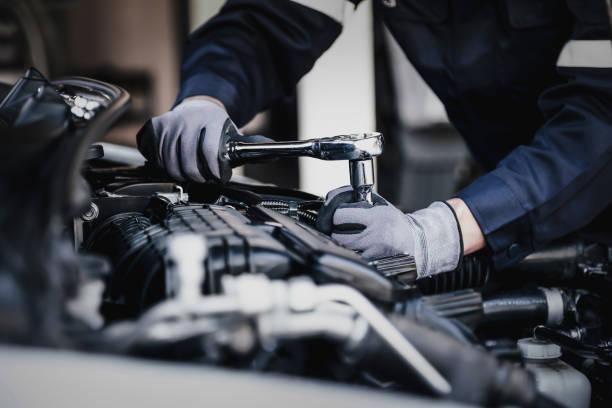
As the vehicle is driven, the passport continues to work behind the scenes. It interacts with the Battery Management System (BMS) to log performance metrics. This real-time data collection is crucial for maintenance. If a specific module shows signs of premature failure, the digital record can help a technician identify if it’s a systemic manufacturing flaw or an isolated incident. For those working on the front lines of automotive repair, having the skills to interface with these digital systems is no longer optional. Aspiring professionals who take a car mechanic training program will find that the modern workshop is as much about data analysis as it is about using a wrench. The passport ensures that the data is standardized, making it easier for shops around the world to provide consistent service.
The Role of Data in Second-Life and Recycling
One of the most significant challenges with EV batteries is what happens when they can no longer provide enough range for a car. Often, a battery with 70% capacity is "dead" for a vehicle but perfect for stationary energy storage, such as powering a home or stabilizing a power grid. The battery passport is the bridge that enables this "second-life" economy. Without a verified record of the battery’s health and chemistry, it would be too risky or expensive for companies to repurpose these units. The passport provides the "State of Health" (SoH) and safety certification required to move the battery from a crashed or retired vehicle into a new industrial application without extensive and costly manual testing.
Eventually, even second-life batteries reach their ultimate end. When they do, the passport provides a roadmap for recyclers. It lists the exact chemical composition of the cells, which varies significantly between manufacturers (e.g., LFP vs. NMC chemistries). Knowing exactly what is inside allows recyclers to recover up to 95% of the precious metals with far greater efficiency. This "circular economy" ensures that we don't have to mine as much new material, reducing the overall ecological footprint of the EV revolution. The integration of this technology into the everyday workflow of the automotive industry highlights why specialized training is so important. A professional who has completed a car mechanic course will be uniquely positioned to handle these complex transitions from service to salvage.
The Impact on Consumers and Market Value
For the average car buyer, the battery passport represents a new era of consumer protection. When purchasing a used electric vehicle, the "State of Health" is the single most important factor in determining the car's value. In the past, buyers had to trust the seller or a basic dashboard reading. With a passport, they can scan a QR code on the vehicle and see a verified, tamper-proof audit trail of the battery’s life. This builds trust in the resale market and helps stabilize the residual value of electric cars, making them a more attractive investment for families and fleet operators alike.
Moreover, the passport encourages better driving and charging habits. Since the data is recorded, owners who treat their batteries well—avoiding extreme heat and frequent 100% fast charging—will have the data to prove it when they go to sell the car. This creates a financial incentive for sustainability. For the technicians responsible for maintaining these standards, the job has evolved into a blend of high-voltage electrical engineering and software diagnostics. To master these new requirements, many find that a specialized car mechanic program is the best way to bridge the gap between traditional mechanical skills and the digital future.
Preparing for a High-Tech Automotive Future
The implementation of battery passports is a signal that the automotive world is moving toward a more transparent and accountable future. It is not just about the battery itself, but about the data ecosystem that supports it. This shift requires a workforce that is comfortable with blockchain technology, IoT (Internet of Things) integration, and advanced electrical systems. As these passports become mandatory across the globe, the demand for technicians who can interpret "Big Data" in a mechanical context will skyrocket. We are seeing a shift where the "logbook" of a car is no longer a folder of paper receipts, but a secure, cloud-based ledger.
- Managerial Effectiveness!
- Future and Predictions
- Motivatinal / Inspiring
- Fitness and Wellness
- Medical & Health
- Manufacturing
- Education
- Real-Estate
- Food Industry
- Hospitality
- Online Games
- Sports
- Home Services
- Civil Engineering
- Safety and Protection
- Software Products & Services
- Fashion and Jewellery
- Artificial Intelligence
- Entrepreneurship
- Mentoring & Guidance
- Marketing
- Networking
- HR & Recruiting
- Literature
- Shopping
- Career Management & Advancement