

 SkillClick
Which Type of Leather Is Used in Winter Jackets to Handle Cold Weather?
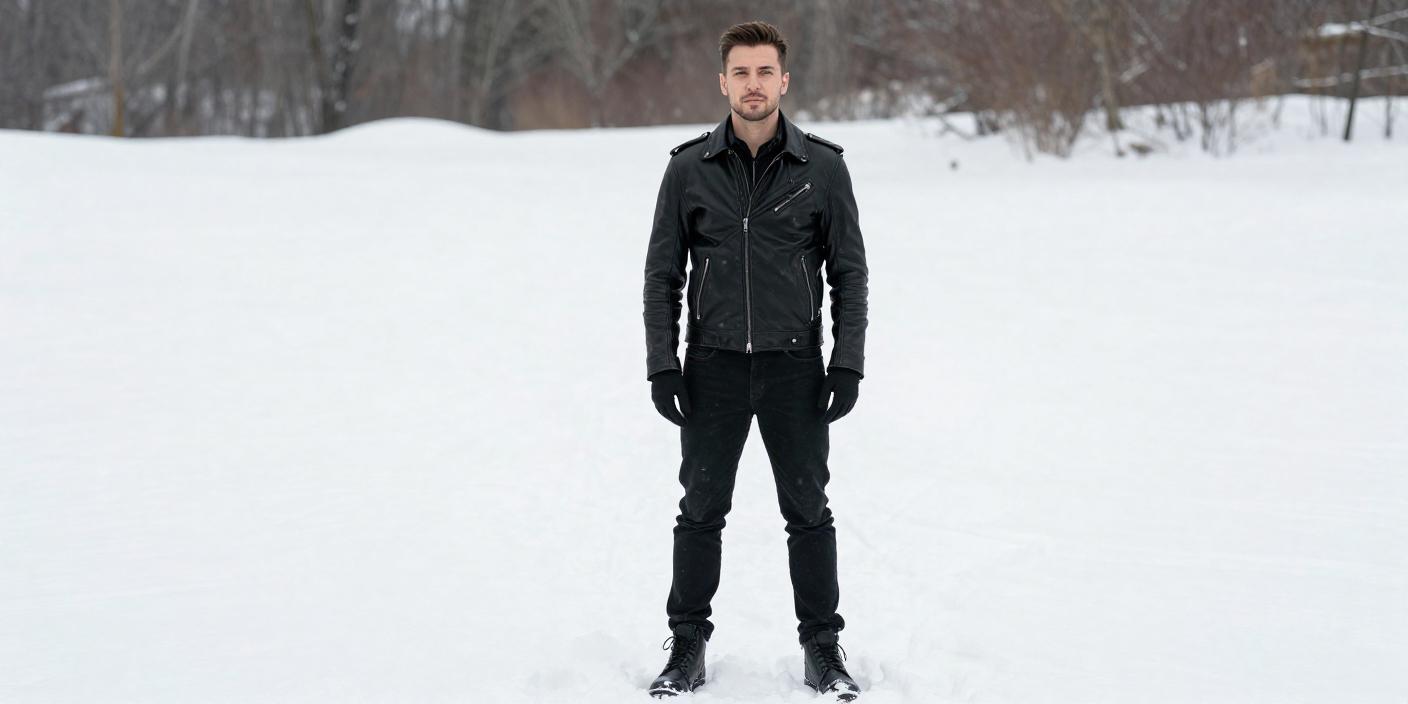
Winter jackets use thicker and denser leather types that block wind, reduce heat loss, and support insulation layers, making them effective during cold and extreme winter conditions.
Why Leather Choice Matters in Winter Jackets
Cold weather challenges the body constantly. Heat escapes quickly through wind exposure and temperature drops. A winter jacket must slow this heat loss while keeping the wearer comfortable during movement. Leather plays a key role because not all leather behaves the same in low temperatures.
Leather jackets for winter rely on hides that resist airflow, maintain structure, and support insulation linings. The wrong leather type can feel stiff, allow cold penetration, or lose flexibility. The right leather improves warmth, durability, and comfort throughout winter use.
How Leather Handles Cold Weather Naturally
Dense Fiber Network
Leather contains tightly packed natural fibers. These fibers trap warm air close to the body while slowing cold air entry. This structure acts as a thermal buffer.
Low Air Permeability
Cold wind removes body heat rapidly. Leather limits air movement through its surface, especially when treated. This makes winter mens leather jackets effective even without heavy padding.
“Warmth is achieved through control, not excess.” — Textile engineering principle
What Leather Qualities Are Important for Winter Performance?
Leather used in winter jackets must meet specific performance needs:
-
Thickness that resists cold air penetration
-
Flexibility that remains stable in low temperatures
-
Surface treatment that reduces moisture absorption
-
Strength that supports long-term winter use
These qualities determine how well a jacket performs during prolonged cold exposure.
Cowhide Leather and Its Role in Winter Jackets
Cowhide leather ranks among the most commonly used materials in winter jackets. It features a thick grain structure that blocks wind effectively. This density supports warmth retention while maintaining shape.
Cowhide performs well during freezing temperatures because it stays firm without becoming brittle. It supports heavy linings and internal insulation without losing structure. Many winter mens leather jackets rely on cowhide for this reason.
Sheepskin and Shearling Leather for Extreme Cold
Natural Insulation Built In
Sheepskin leather includes wool attached to the hide. This wool traps air naturally, creating excellent insulation. Jackets made with shearling require less added lining because the insulation comes built in.
Comfort During Prolonged Wear
Shearling stays warm without overheating. It balances temperature during long exposure periods. This makes it suitable for best winter jackets for extreme cold.
Did You Know?
Cold weather clothing studies show garments combining wind-blocking outer shells with natural insulation can retain over 40 percent more body heat compared with unlined outerwear during freezing conditions.
Goatskin Leather and Winter Use
Goatskin leather offers a balance between strength and flexibility. It resists cracking in cold weather and adapts well to movement. While slightly thinner than cowhide, it still blocks wind effectively when treated.
This leather suits winter jackets designed for active use where mobility matters. It performs well during daily commuting and moderate winter exposure.
Why Lambskin Is Less Common in Harsh Winters
Lambskin leather feels soft and lightweight. While comfortable, it lacks the density needed for severe cold. It works better in mild winter climates or layered under heavy insulation.
For harsh conditions, lambskin often serves decorative or inner panel roles rather than main outer shells.
How Leather Thickness Influences Cold Resistance
Thicker leather slows heat transfer. This improves warmth retention. Winter jackets usually use medium to heavy leather grades.
However, thickness alone does not guarantee warmth. Leather must remain flexible. Well-processed hides achieve this balance. Poorly processed thick leather can feel stiff and uncomfortable in cold weather.
Leather Treatments That Improve Winter Performance
Oil-Based Treatments
These treatments keep leather flexible during cold conditions. They reduce surface cracking and maintain softness.
Water-Resistant Finishes
Heat loss is increased by moisture. Light rain and snow are repelled by treated leather, which stops evaporative cooling.
These treatments are necessary for winter leather coats to continue providing reliable insulation.
Comparison Table: Leather Types Used in Winter Jackets
| Leather Type | Cold Resistance | Flexibility | Insulation Support | Best Use |
|---|---|---|---|---|
| Cowhide | High | Moderate | Strong | Everyday winter |
| Shearling | Very high | Moderate | Excellent | Extreme cold |
| Goatskin | Moderate | High | Moderate | Active winter use |
| Lambskin | Low | Very high | Limited | Mild winter |
How Leather Supports Insulation Linings
Leather acts as a shield. Linings trap warm air, while leather prevents heat escape. Without a strong outer shell, insulation loses effectiveness.
Winter mens leather jackets combine leather shells with quilted, fleece, or shearling linings. This pairing stabilizes internal temperature during temperature drops.
Why Fit Matters in Cold Weather Jackets
Even the best leather fails without proper fit. Loose jackets allow cold air circulation. Tight jackets restrict layering and reduce comfort.
A well-fitted leather jacket seals warmth around the torso and arms. This improves insulation efficiency without increasing bulk.
Why Black Leather Performs Well in Winter
Dark leather absorbs external warmth during daylight exposure. This adds minor heat support. More importantly, black leather hides winter wear marks caused by snow residue and friction.
This durability supports long-term winter use without frequent replacement.
How Extreme Cold Jackets Differ in Construction
Best winter jackets for extreme cold use:
-
Heavier leather shells
-
Full insulation coverage
-
High collars and sealed cuffs
-
Longer body length for added coverage
These features reduce heat loss during prolonged outdoor exposure.
Real-Life Winter Use Scenarios
-
Daily commuting in freezing temperatures
-
Extended outdoor exposure during travel
-
Cold wind environments
In each case, leather choice directly impacts warmth and comfort.
How to Choose Among the Best Winter Jackets for Men
Selecting the best winter jackets for men depends on climate severity, activity level, and leather type. Cold regions require heavier hides or shearling. Mild winters allow lighter leather with insulation.
Knowledge of leather types prevents poor jacket choices that fail during winter conditions.
Regional Preferences and Leather Selection
In colder regions, heavier leather dominates. In transitional climates, goatskin and treated cowhide remain popular. Climate awareness guides leather selection more than fashion trends.
Men seeking best winter jackets for men often choose leather jackets with balance between insulation and mobility suited for variable winter conditions.
Maintenance and Cold Performance
Conditioned leather stays flexible. Dry leather cracks and allows cold penetration. Regular conditioning supports insulation performance and extends jacket lifespan.
Proper storage prevents moisture damage that reduces warmth.
Why Leather Jackets for Winter Stay Relevant
Leather jackets for winter succeed because they solve practical problems. They block wind, support insulation, and adapt to movement. Synthetic materials attempt similar performance but often degrade faster.
Leather remains trusted because it performs consistently across winters.
“Performance builds trust over time.” — Product durability principle
Conclusion: Choosing the Right Leather for Cold Weather Jackets
Leather type determines how winter jackets handle cold conditions. Cowhide offers strength and wind resistance. Shearling provides built-in insulation for extreme cold. Goatskin balances flexibility and warmth. Lambskin suits mild winters only.
Winter mens black leather jackets perform best when leather density, treatment, and fit align with climate needs. Understanding leather properties leads to better warmth retention and long-term comfort. Choosing the right leather transforms a jacket into reliable winter protection rather than seasonal clothing.
Visit for new & updates at www.foundersclick.com
- Managerial Effectiveness!
- Future and Predictions
- Motivatinal / Inspiring
- Fitness and Wellness
- Medical & Health
- Manufacturing
- Educação
- Real-Estate
- Food Industry
- Hospitality
- Online Games
- Sports
- Home Services
- Civil Engineering
- Safety and Protection
- Software Products & Services
- Fashion and Jewellery
- Artificial Intelligence
- Entrepreneurship
- Mentoring & Guidance
- Marketing
- Networking
- HR & Recruiting
- Literature
- Shopping
- Career Management & Advancement