

 SkillClick
Why Chemical Injection Isn’t Always the Solution for Bathroom Water Leakage
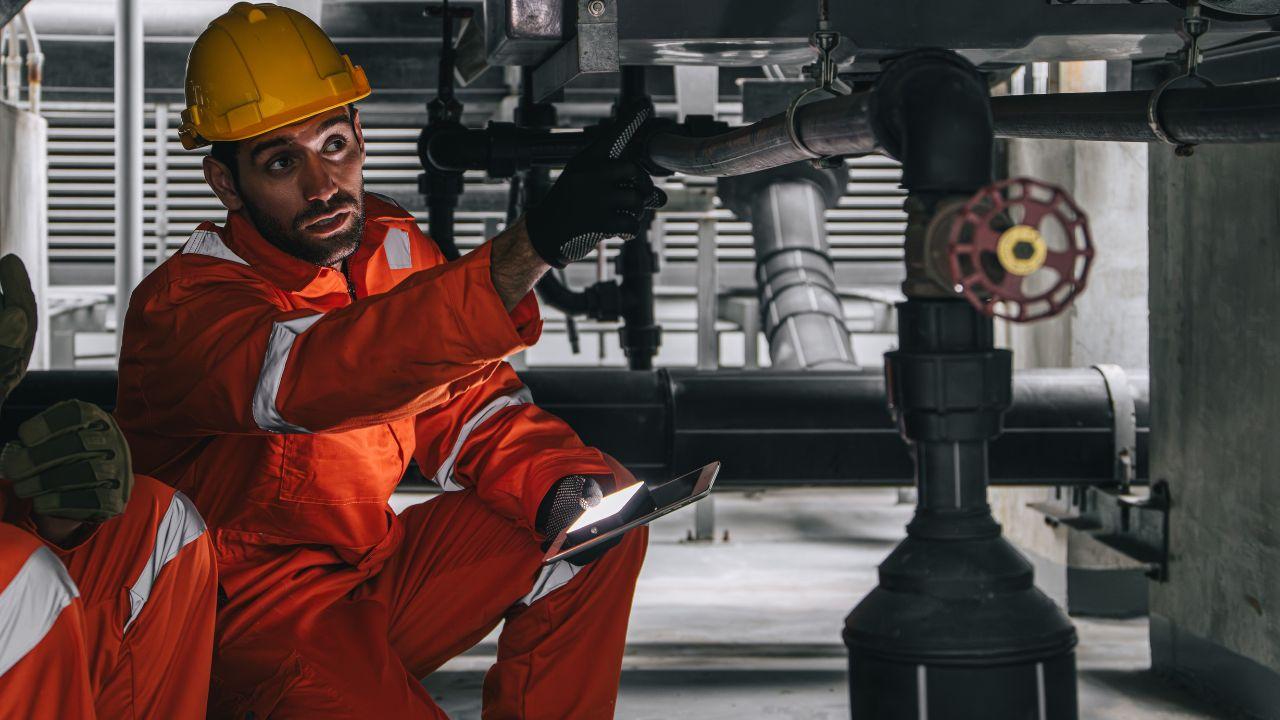
Bathroom water leakage is a common issue that many homeowners and property managers face. In recent years, chemical injection methods have gained popularity as a quick fix for leaks in walls, floors, and tiles. While this technique can provide short-term relief, it is not a universal solution and may fail to address underlying causes. Understanding the limitations of chemical injections and when professional intervention is necessary is crucial to preventing long-term damage.
How Chemical Injection Works
Chemical injection involves pumping specialized resins or sealants into cracks or voids within walls, floors, or concrete structures. These chemicals harden over time, creating a barrier that stops water from seeping through. On the surface, this appears to be an effective and minimally invasive solution, offering the appeal of avoiding major demolition or reconstruction.
Despite its popularity, chemical injection is most effective for very specific conditions—primarily small, isolated cracks in sound structures. When used indiscriminately, it may only mask symptoms while the underlying leak persists.
Limitations of Chemical Injection for Bathroom Leaks
1. Doesn’t Address Source of the Leak
A major drawback of chemical injections is that they often do not fix the actual cause of water intrusion. Bathroom leaks may originate from:
-
Faulty plumbing connections
-
Damaged tiles or grout
-
Defective waterproofing membranes
-
Loose fixtures or flashings
Injecting chemicals into walls or floors may temporarily stop water penetration, but unless the root cause is identified and repaired, leaks are likely to recur.
2. Unsuitable for Widespread Damage
Chemical injections are designed for narrow cracks, not large areas affected by water penetration. Bathrooms with extensive moisture damage, mold growth, or structural weakening require a comprehensive restoration approach. In these cases, relying solely on chemical injection can lead to persistent damage and escalating repair costs.
3. Limited Longevity
Even when applied correctly, chemical injections can degrade over time due to water movement, temperature changes, or chemical reactions with the surrounding materials. This may result in recurring leaks months after treatment, making it a temporary solution rather than a permanent fix.
4. Potential for Hidden Damage
Injecting chemicals into a wall without addressing surface or structural issues may trap moisture inside, leading to mold growth and wood rot. This hidden damage can go unnoticed for months, compromising the bathroom’s structural integrity and creating health hazards for occupants.
When to Consider Professional Bathroom Water Leakage Repair
Given the limitations of chemical injection, professional assessment is often necessary. A Bathroom Water Leakage Repair specialist evaluates the source, extent, and potential risks before recommending the most suitable solution.
1. Comprehensive Leak Detection
Specialists use advanced tools such as moisture meters, thermal imaging cameras, and pressure testing to accurately locate leaks. This non-destructive approach ensures that hidden damage is identified without unnecessary demolition.
2. Targeted Repairs for Long-Term Protection
Professional repair methods may include:
-
Replacing damaged tiles or grout
-
Sealing pipe joints and plumbing fixtures
-
Restoring or upgrading waterproofing membranes
-
Treating affected surfaces for mold or structural damage
Unlike chemical injection alone, these solutions address both the symptoms and the root cause of the leak, ensuring long-term effectiveness.
3. Preventive Maintenance Recommendations
Experts provide guidance on proper ventilation, routine inspections, and minor maintenance measures that reduce the likelihood of future leaks. Preventive steps help maintain a safe, dry, and structurally sound bathroom environment.
For additional technical insights, the Building and Construction Authority (BCA) offers guidelines on managing water damage and maintaining waterproofing integrity in residential properties.
Signs You May Need More Than Chemical Injection
Even if a chemical injection temporarily stops water ingress, certain indicators suggest deeper issues:
-
Persistent musty odors or damp smells
-
Warping or discoloration of walls and flooring
-
Visible mold growth behind tiles or walls
-
Recurring leaks despite previous chemical treatments
Addressing these warning signs promptly with professional intervention prevents further damage and higher costs down the line.
Conclusion
While chemical injection can be effective for very localized cracks, it is not a one-size-fits-all solution for bathroom water leakage. Without addressing the underlying causes—such as faulty plumbing, damaged tiles, or failed waterproofing—leaks are likely to recur, potentially causing hidden structural and health hazards. Professional Bathroom Water Leakage Repair services provide comprehensive assessment, targeted repairs, and preventive guidance to ensure lasting protection and maintain the integrity of your bathroom.
Allseal Waterproofing PTE Ltd offers expert leak detection and repair services, combining advanced diagnostics and specialist techniques to deliver long-term waterproofing solutions for bathrooms, safeguarding both property and occupant safety.
- Managerial Effectiveness!
- Future and Predictions
- Motivatinal / Inspiring
- Fitness and Wellness
- Medical & Health
- Manufacturing
- Education
- Real-Estate
- Food Industry
- Hospitality
- Online Games
- Sports
- Home Services
- Civil Engineering
- Safety and Protection
- Software Products & Services
- Fashion and Jewellery
- Artificial Intelligence
- Entrepreneurship
- Mentoring & Guidance
- Marketing
- Networking
- HR & Recruiting
- Literature
- Shopping
- Career Management & Advancement