

 SkillClick
Lightweight Yet Strong: The Future of Tarpaulin Cover
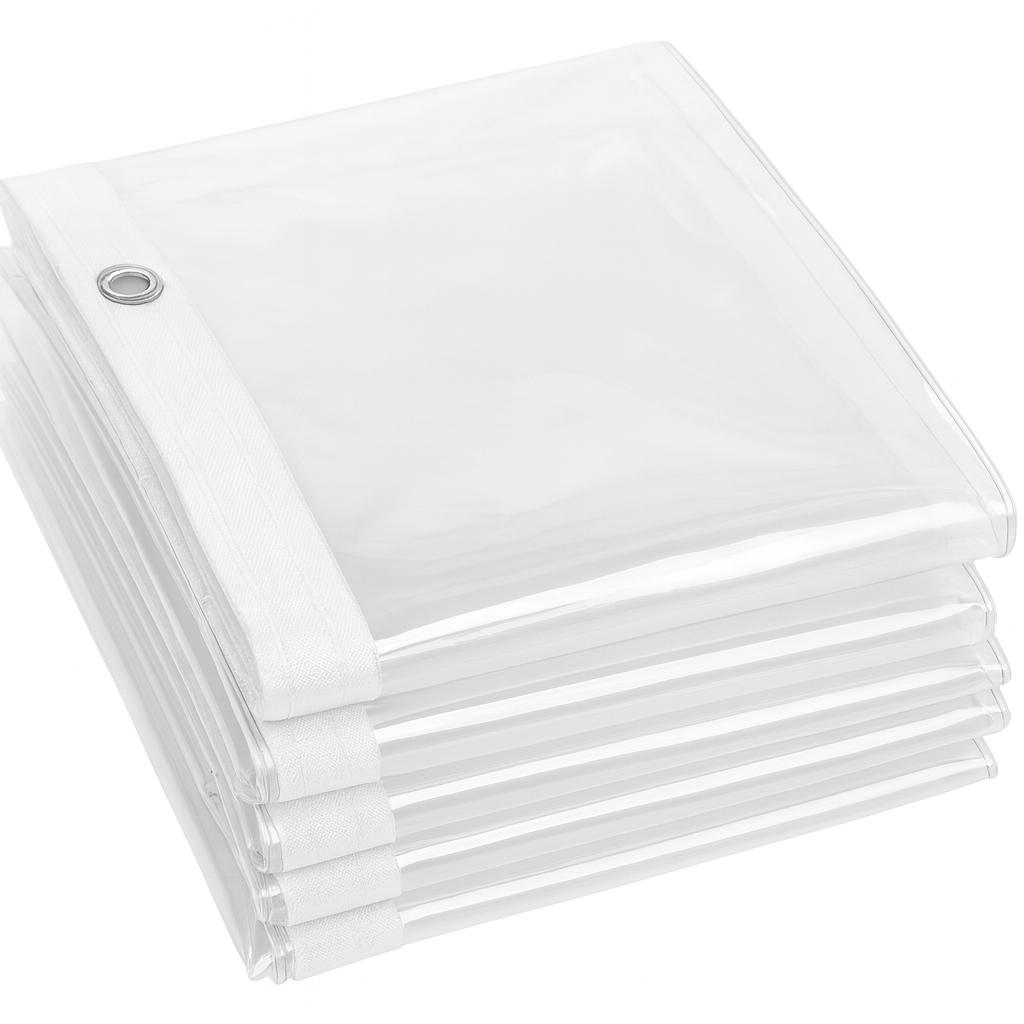
Tarpaulin, a fabric celebrated for its durability and water-resistant properties has long served as a critical component in various engineering and industrial sectors. Its resilience has stood the test of time, making it a go-to material for numerous applications.
As technological innovation progresses, so does the potential of Tarpaulin, with advancements focused on creating materials that are lighter yet more robust. This report covers breakthroughs in tarpaulin technology and examines their impact on industry growth.
The Transformation of Tarpaulin
Historically, tarpaulins were crafted from heavy fabrics like treated canvas. Over time, manufacturers began integrating synthetic materials such as polyethylene and vinyl to enhance toughness and waterproofing. Recent efforts aim to address the longstanding trade-off between weight and strength, paving the way for tarpaulins that are both lighter and sturdier.
Revolutionary Materials
Researchers and innovators are actively exploring advanced materials to redefine tarpaulin production. These include:
-
Nanofiber-reinforced polymers
-
Graphene-infused fabrics
-
High-performance synthetic blends
-
Eco-friendly biodegradable composites
These cutting-edge materials offer exceptional strength-to-weight ratios while being resistant to environmental elements. The result is a new generation of tarpaulins that are lightweight yet incredibly durable.
Modern Manufacturing Techniques
The quality of tarpaulins is also improving due to advancements in manufacturing methods. Key techniques include:
-
3D printing for intricate designs and patterns
-
Ultrasonic welding to create stronger seams
-
Plasma treatment for enhanced surface features
-
Nanotechnology for superior UV and water resistance
These technologies enable the creation of multifunctional tarpaulins that meet stringent industrial standards while aligning with eco-friendly practices.
Applications Across Industries
The development of lighter, stronger tarpaulins unlocks opportunities across multiple sectors:
Construction
Lightweight Clear Tarpaulin sheets reduce material usage, cutting transport costs and improving efficiency on construction sites. Builders can achieve better coverage using fewer materials, making operations more cost-effective.
Agriculture
Farmers benefit from tarpaulins that are easy to handle and deploy, offering lightweight but durable solutions for protecting crops, tools, or equipment. These advanced materials withstand harsh weather conditions without compromising flexibility or utility.
Transportation
Logistics companies can optimize fuel usage and enhance safety by adopting thin yet resilient tarpaulins to cover trucks and containers. This improvement boosts efficiency while reducing overall operational costs.
Outdoor Recreation
Whether camping, hiking, or exploring nature, outdoor enthusiasts now have access to compact tarpaulins that provide reliable protection against the elements. Their lightweight design makes them ideal for frequent use and easy portability.
Environmental Impact
With growing emphasis on sustainability, the tarpaulin industry is embracing eco-conscious solutions. Innovations include biodegradable options and recycling initiatives aimed at reducing waste and minimizing environmental impact.
Challenges and Future Prospects
While the outlook for tarpaulin technology remains promising, the industry faces several hurdles:
-
Balancing minimalist production requirements with cost-efficient raw materials
-
Thoroughly evaluating the long-term durability of new composites
-
Meeting diverse regulatory and industry standards
-
Educating consumers about the unique benefits of advanced tarpaulins
Conclusion
The evolution of tarpaulin from a cumbersome, heavy material to a lightweight and durable product stands as a testament to human ingenuity and technological advancement. Moving forward, emerging technologies are poised to transform entire economies. In this industry, the integration of innovative solutions, including the Internet of Things, has propelled it from traditional practices to a high-tech realm, enabling users to access a range of advanced services. The next generation of tarpaulin is not only lightweight and resilient but also smarter, more adaptable, and significantly more sustainable.
- Managerial Effectiveness!
- Future and Predictions
- Motivatinal / Inspiring
- Fitness and Wellness
- Medical & Health
- Manufacturing
- Education
- Real-Estate
- Food Industry
- Hospitality
- Online Games
- Sports
- Home Services
- Civil Engineering
- Safety and Protection
- Software Products & Services
- Fashion and Jewellery
- Artificial Intelligence
- Entrepreneurship
- Mentoring & Guidance
- Marketing
- Networking
- HR & Recruiting
- Literature
- Shopping
- Career Management & Advancement