

 SkillClick
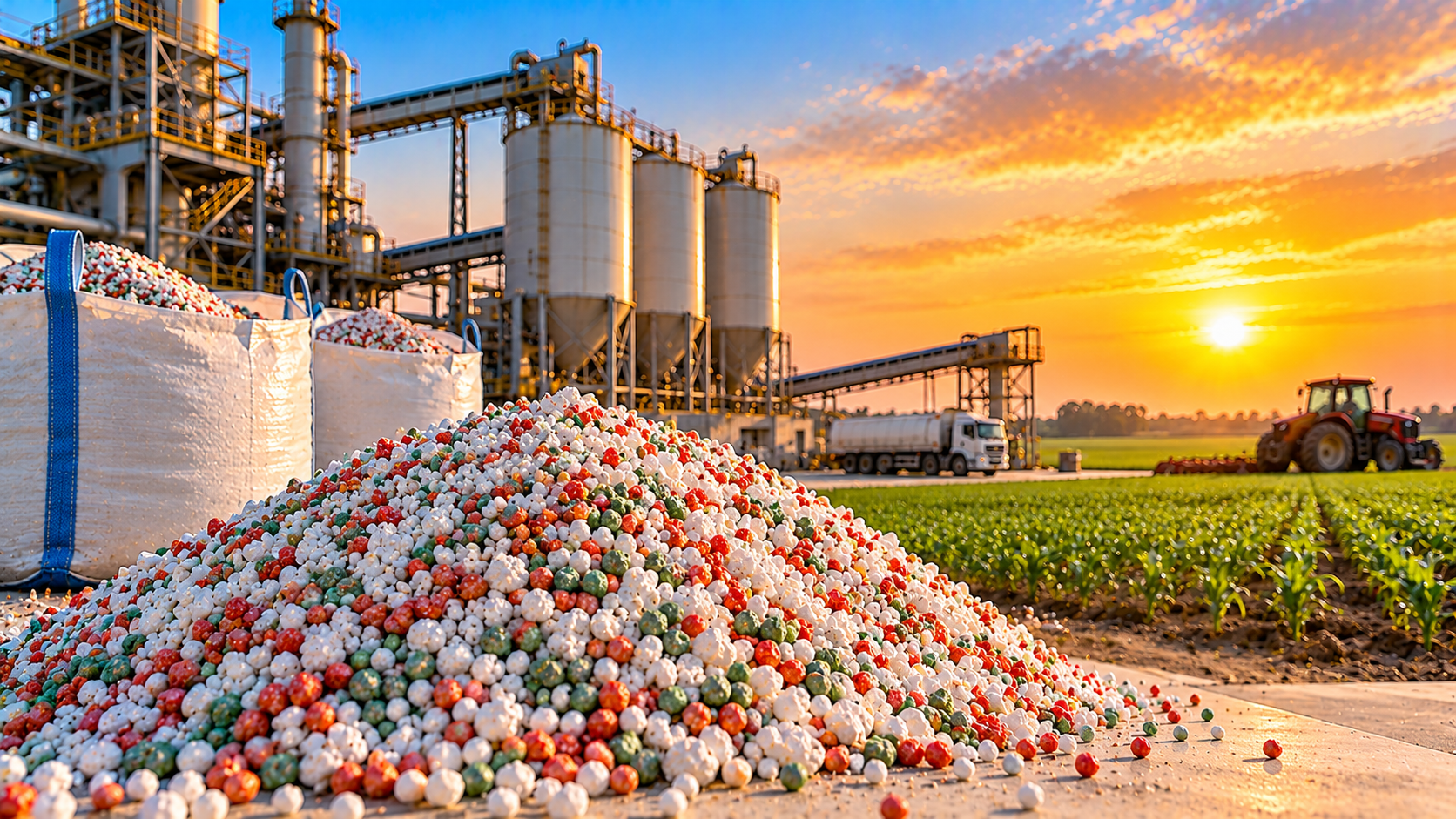
Fertiliser buyers tracking compound fertilisers got a clear signal this month. The NP Fertiliser (Compound fertilizers) market in October 2026 shows a price spread between China and India that’s hard to ignore if you’re sourcing on a tight margin.
China’s NP Fertiliser is priced at USD 416.87 per metric ton on an FOB basis. India’s landed cost comes in at USD 542.57 per metric ton, CIF. That’s a difference of more than USD 125 per ton. For a bulk commodity like compound fertilisers, that’s not a rounding error. It’s a number that changes sourcing decisions.
Why the Numbers Look the Way They Do
Here’s the thing about comparing FOB and CIF prices directly: it’s not entirely fair, and anyone who’s worked in procurement knows that already. FOB only accounts for the cost of the product loaded at the origin port. CIF adds freight and insurance on top. So part of that India premium is just the nature of the shipping terms, not pure market pricing.
That said, even accounting for freight and insurance, India’s fertiliser market has been running hotter than China’s. Demand from the agricultural sector hasn’t slowed down much heading into the rabi sowing season, and that keeps buyers competing for supply. China, meanwhile, has domestic production scale that keeps its FOB numbers lower, plus export policy that’s been relatively stable through most of 2026.
Raw material costs matter here too. Phosphate rock, ammonia, and potash all feed into NP Fertiliser production, and any volatility in those inputs shows up in the final price within a quarter or so. Natural gas prices, which drive ammonia production costs, have stayed somewhat elevated this year, and that’s kept a floor under compound fertiliser pricing globally.
NP Fertiliser (Compound fertilizers) Latest Prices October 2026
| Product | Region | Incoterm Basis | Price |
|---|---|---|---|
| NP Fertiliser (Compound fertilizers) | China | FOB | USD 416.87/MT |
| NP Fertiliser (Compound fertilizers) | India | CIF | USD 542.57/MT |
Price Source: Procurement Resource
What This Means If You’re Buying or Watching the Market
Procurement teams working with Indian suppliers are dealing with a landed cost that’s roughly 30 percent higher than what Chinese export pricing suggests on paper. That doesn’t automatically mean China is the cheaper option once you factor in freight to your actual destination, contract reliability, and how quickly a supplier can move volume. Still, it’s a number worth checking against your own logistics costs before assuming India is overpriced or China is underpriced.
For companies with flexible sourcing, this spread opens a real question: does switching origin markets make sense right now, or does it introduce more risk than it saves? Freight rates between China and most import destinations have been fairly stable this year, which makes the China FOB number more directly comparable once you add your own shipping estimate. India’s CIF figure already has that baked in, so it’s a more complete picture for buyers importing into India specifically, but less useful as a benchmark if you’re sourcing from elsewhere.
Investors and analysts watching the compound fertiliser space should also keep an eye on how this gap behaves over the next couple of months. A widening spread usually points to one market tightening faster than the other. A narrowing spread often means supply is catching up with demand somewhere in the chain.
A Market Still Shaped by Agricultural Cycles
Compound fertilisers don’t move in isolation from the broader agricultural calendar. Planting seasons, government subsidy decisions, and even weather patterns affecting crop yields all feed back into fertiliser demand with a lag of a few weeks to a couple of months. October sits right at the edge of several regional sowing windows, which partly explains why demand pressure, and pricing, tends to firm up this time of year.
Buyers who’ve been in this space a while know not to read too much into a single month’s number. But two or three months of consistent direction usually says something real about where the market’s headed. Right now, the direction looks like steady, not dramatic, upward pressure on compound fertiliser costs in import-dependent markets.
Where This Leaves Buyers Heading Into Q4
Nobody can say with certainty whether the China-India gap narrows or widens before the year closes out. What seems reasonably clear is that input costs, particularly natural gas and phosphate rock, aren’t showing signs of easing fast. That keeps some pressure on pricing across both markets, even if the degree differs by region.
Buyers locking in contracts now should treat October’s figures as a current reference point, not a fixed number to plan around for the next six months. Fertiliser markets move with the seasons, and the next sowing cycle will likely bring its own shift in demand.
For more detailed pricing data and historical trends on compound fertilisers, check the NP Fertiliser Price Trend report from Procurement Resource.
FAQ Section
What is the current NP Fertiliser price in China and India?
As of October 2026, China’s NP Fertiliser (Compound fertilizers) is priced at USD 416.87 per metric ton on an FOB basis. India’s price sits at USD 542.57 per metric ton on a CIF basis, which includes freight and insurance costs that China’s FOB figure doesn’t account for.
Why is India’s NP Fertiliser price so much higher than China’s?
Part of the gap comes from the incoterm itself since CIF includes shipping and insurance while FOB doesn’t. Beyond that, strong seasonal agricultural demand in India and its reliance on imports both add upward pressure that China’s domestic production scale doesn’t face in the same way.
What factors drive NP Fertiliser prices up or down?
Raw material costs matter most, especially phosphate rock, ammonia, and potash. Natural gas prices also play a role since ammonia production depends heavily on gas. Seasonal demand tied to planting cycles and government subsidy policies in major agricultural markets can shift pricing within a few weeks.
How often do NP Fertiliser prices change?
Prices can move monthly depending on input costs and seasonal demand, though compound fertiliser markets tend to shift more gradually than some other commodities. Buyers should check updated pricing before finalizing large contracts rather than relying on figures from several months earlier.
Is China or India the better sourcing option for NP Fertiliser right now?
It depends on where you’re importing to. China’s lower FOB price looks attractive, but once freight and insurance to your destination are added, the real comparison changes. For buyers already importing into India, the CIF figure reflects a more complete landed cost.