

 SkillClick
How Does Tajmeels Clinic Assess Moles Before Recommending Removal?
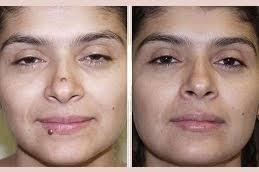
Moles are common skin growths that can appear on different parts of the body. While many moles are harmless, some may change in appearance, become irritated, or cause cosmetic concerns. Before considering Mole Removal in Dubai, it is important to understand the type of mole, its characteristics, and whether it requires medical attention.
A professional assessment helps determine whether removal is appropriate and which method may be suitable. At Tajmeels Clinic, mole evaluation focuses on understanding individual skin concerns and considering the safest approach before recommending any procedure. This assessment helps patients make informed decisions about mole removal in Dubai.
Why Is a Professional Mole Assessment Important?
Not every mole requires removal. Some remain unchanged throughout life, while others may develop noticeable changes in size, colour, shape, or texture. A professional examination helps distinguish between moles that may be suitable for cosmetic removal and those that need further medical investigation.
Dermatologists generally consider several factors when assessing a mole, including its appearance, development over time, location, and any symptoms reported by the patient.
A useful assessment also helps prevent unnecessary procedures. If a mole appears suspicious, a healthcare professional may recommend dermoscopic examination, further investigation, or a biopsy before considering cosmetic treatment.
1. Examining the Mole's Shape, Size, and Colour
One of the first steps in mole assessment is examining its visible characteristics. Healthcare professionals look at the mole's shape, borders, colour distribution, and overall appearance.
The ABCDE guideline is commonly used to identify warning signs:
-
Asymmetry: One half of the mole looks different from the other.
-
Border: The edges appear irregular, blurred, or uneven.
-
Colour: Different shades of brown, black, red, or other colours are present.
-
Diameter: The mole is larger than approximately 6 millimetres, although smaller melanomas can also occur.
-
Evolution: The mole changes in size, shape, colour, or appearance over time.
These characteristics do not automatically mean that a mole is cancerous. However, they indicate that medical evaluation may be necessary.
2. Understanding Changes in the Mole Over Time
A mole's development history provides useful information during assessment. Patients may be asked whether the mole has recently become larger, darker, raised, or more noticeable.
Sudden changes deserve particular attention. Other symptoms, such as persistent itching, bleeding, crusting, tenderness, or spontaneous ulceration, should also be discussed with a healthcare professional.
Comparing the mole with older photographs can help identify changes that might otherwise go unnoticed. This information supports a more informed evaluation and helps determine whether additional testing is required.
3. Evaluating the Mole's Location on the Body
Mole location is another important consideration when discussing removal. Moles can develop on the face, neck, arms, back, legs, and other areas.
Their location may influence treatment planning because different body areas have different skin characteristics and healing patterns.
For example, facial moles may require particular attention to cosmetic outcomes and the possibility of visible scarring. Moles in areas exposed to regular friction, such as the neckline or waist, may become irritated by clothing or accessories.
A professional assessment considers the mole's position, surrounding skin, and individual treatment goals before discussing suitable options.
4. Reviewing Medical History and Skin Concerns
A complete assessment involves more than examining the mole itself. Healthcare professionals may ask about personal and family medical history, previous skin conditions, past mole removals, and any history of skin cancer.
Other relevant considerations include:
-
Previous reactions to skin procedures.
-
History of unusual or changing moles.
-
Skin sensitivity and healing concerns.
-
Current medications and relevant medical conditions.
-
Personal concerns about the mole's appearance.
This information helps identify potential risks and determine whether additional medical evaluation is necessary before treatment.
5. Considering Dermoscopy and Further Examination
When a mole requires closer inspection, a healthcare professional may use a dermatoscope. This specialised instrument magnifies the skin and provides a clearer view of structures and pigmentation patterns that cannot be easily seen with the naked eye.
Dermoscopy can support the assessment of suspicious skin lesions, although it does not replace a biopsy when tissue examination is necessary.
If a mole raises concerns about melanoma or another skin condition, the appropriate next step may involve surgical removal or biopsy followed by laboratory examination. Cosmetic removal methods, such as laser treatment, should not be used on suspicious pigmented lesions without an appropriate diagnosis.
6. Selecting an Appropriate Mole Removal Method
Once the assessment is complete, the healthcare professional can discuss whether removal is appropriate and explain the available methods.
Depending on the mole's characteristics and clinical findings, options may include:
-
Surgical excision: The mole is removed using a surgical technique, and the tissue can be sent for laboratory analysis.
-
Shave removal: A suitable raised lesion is removed by carefully shaving the tissue at the skin surface.
-
Laser treatment: May be considered for selected lesions after an appropriate diagnosis confirms that this approach is suitable.
Not every method is appropriate for every mole. The decision depends on the diagnosis, depth, location, and medical considerations. Patients should also understand possible outcomes, including scarring, pigmentation changes, and recurrence.
How Does Tajmeels Clinic Approach Mole Assessment?
At tajmeels clinic dubai, mole removal planning begins with understanding the patient's skin concerns and treatment expectations. The assessment considers the mole's appearance, location, reported changes, and relevant medical history.
Based on the findings, the healthcare professional can discuss whether removal is appropriate or whether further investigation is needed. Patients can also learn about suitable treatment approaches, expected healing, possible scarring, and aftercare requirements.
This personalised approach supports informed decisions rather than recommending the same removal method for every patient. Medical evaluation remains particularly important when a mole shows suspicious changes or requires laboratory examination.
What Should You Expect After Mole Removal?
Recovery depends on the removal technique, mole size, and treatment location. Mild redness, tenderness, swelling, or temporary sensitivity may occur during the initial healing period.
Patients should follow the recommended wound-care instructions, keep the treated area clean, and avoid unnecessary friction. Sun protection is also important because healing skin may be more vulnerable to pigmentation changes.
If the mole has been sent for laboratory analysis, patients should attend follow-up appointments to discuss the results. Any unexpected bleeding, increasing pain, spreading redness, or signs of infection should be reported to a healthcare professional.
Conclusion
A proper mole assessment is an essential step before recommending removal. Examining the mole's appearance, monitoring changes, reviewing medical history, and considering its location help determine the most appropriate next step. Whether the concern is medical or cosmetic, professional evaluation supports safer and more informed treatment decisions.
For individuals considering mole removal in Dubai, Tajmeels Clinic provides an opportunity to discuss their skin concerns, understand available approaches, and receive guidance based on individual assessment.
- Managerial Effectiveness!
- Future and Predictions
- Motivatinal / Inspiring
- Fitness and Wellness
- Medical & Health
- Manufacturing
- Education
- Real-Estate
- Food Industry
- Hospitality
- Online Games
- Sports
- Home Services
- Civil Engineering
- Safety and Protection
- Software Products & Services
- Fashion and Jewellery
- Artificial Intelligence
- Entrepreneurship
- Mentoring & Guidance
- Marketing
- Networking
- HR & Recruiting
- Literature
- Shopping
- Career Management & Advancement