

 SkillClick
Intelligent Video Analytics: Turning Footage into Operational Intelligence
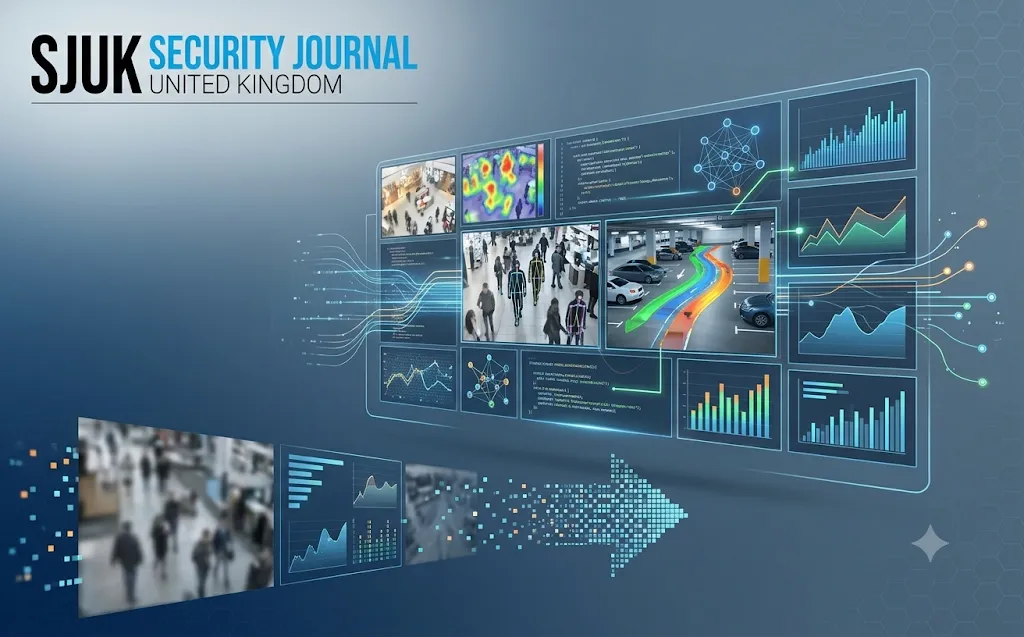
Security cameras generate enormous amounts of visual information every day. Commercial buildings, warehouses, transport facilities and industrial environments may operate hundreds of cameras, producing hours of footage that contain valuable operational insights.
However, much of this information remains unused. Traditional surveillance systems primarily record events, and security personnel generally review footage when an incident occurs or when an investigation requires supporting evidence.
Modern technology is changing this approach. Intelligent video analytics enables organisations to examine video information automatically, identify relevant patterns and extract insights that can support operational decisions.
Instead of treating camera footage simply as a security record, organisations can begin using it as an additional source of business and operational intelligence.
Why Recorded Video Contains Untapped Information
Video footage captures more than security incidents. It can reveal movement patterns, equipment activity, visitor behaviour and how people interact with physical environments.
For example, warehouse footage may show repeated congestion around loading areas. Commercial building recordings may reveal that particular entrances experience heavier visitor activity during certain periods.
Without automated analysis, identifying these patterns could require extensive manual video review.
Video data analysis helps transform this information into structured observations that can be examined more efficiently.
From Recorded Footage to Meaningful Insights
Traditional CCTV systems depend on operators to observe and interpret visual information.
Automated systems introduce computer vision and machine learning to identify objects, classify activities and highlight events that match defined criteria.
Intelligent video analytics can help organise large volumes of footage by identifying relevant activities and reducing the amount of material requiring manual examination.
For instance, security personnel investigating an incident may search for footage associated with a particular time, location or detected event rather than reviewing every recording individually.
This can make investigations more efficient and improve access to relevant visual evidence.
Improving Operational Efficiency Through Video Analysis
Video intelligence can provide useful information about how physical environments are being used.
In warehouses, movement analysis may reveal recurring bottlenecks around loading bays or storage corridors. In commercial facilities, visitor counting can help management understand which entrances experience the highest activity.
These insights can support operational improvements, including:
- Better allocation of personnel.
- More effective management of visitor movement.
- Identification of recurring congestion.
- Improved access-point planning.
- More informed facility management.
- Faster review of relevant security events.
The value comes from using visual information to support decisions rather than relying solely on assumptions or occasional manual observations.
Supporting Evidence-Based Security Planning
Security planning often involves evaluating previous incidents, identifying vulnerable locations and deciding where additional resources may be necessary.
Video intelligence can contribute to this process by revealing patterns that may not be immediately obvious during routine operations.
For example, repeated activity near a perimeter entrance may indicate that the location requires a review of existing access arrangements.
Similarly, recurring congestion in a particular corridor may highlight a need to reassess pedestrian movement procedures.
When intelligent video analytics is used alongside incident reports and access control records, security teams can develop a more complete understanding of their operational environment.
The Role of AI in Video Data Processing
Artificial intelligence supports video data processing by helping systems recognise objects, interpret movement and classify visual events.
Machine learning algorithms can analyse large collections of visual information and identify patterns based on their training.
Computer vision allows systems to interpret images and video frames, while automated event detection can highlight activity that matches predefined conditions.
These capabilities make video information more accessible to security operators.
However, AI-generated insights should not automatically be treated as confirmed facts. Environmental conditions, poor image quality and incorrect system configurations can affect results.
Human verification remains important, especially when decisions involve security risks or employee monitoring.
Applications Across Different Industries
Warehousing and Logistics
Video intelligence can help identify movement patterns around loading areas, storage corridors and vehicle access points.
Retail Environments
People-counting technology can provide information about visitor volumes and movement across different sections of a retail facility.
Corporate Buildings
Automated monitoring can help assess access activity, visitor movement and the use of shared spaces.
Manufacturing Facilities
Visual analysis may help identify recurring operational bottlenecks and activities within designated production areas.
Transport Infrastructure
Video information can support pedestrian flow analysis, congestion monitoring and incident investigation.
Connecting Video Analytics with Business Intelligence
The value of video data increases when visual information can be considered alongside other operational records.
For example, combining visitor counts with building occupancy information may help facility managers understand how spaces are used throughout the day.
Similarly, connecting security footage with access control records can provide additional context during an investigation.
Intelligent video analytics can therefore become part of a wider operational intelligence strategy when systems are integrated appropriately.
Organisations should ensure that information is accurate, relevant and collected for clearly defined purposes.
Managing Data Privacy and Security
Video footage may contain information about employees, visitors and members of the public. Therefore, organisations must establish appropriate data governance practices.
Important considerations include:
- Limiting access to authorised personnel.
- Establishing suitable retention periods.
- Protecting recordings against unauthorised access.
- Following applicable privacy regulations.
- Documenting how video information is used.
- Avoiding unnecessary collection of personal information.
Operational intelligence should improve decision-making without creating unnecessary privacy risks.
What Comes Next for Video Data Intelligence?
Advances in AI are expected to improve automated video classification, event searching and contextual analysis.
Future systems may make it easier to identify recurring operational patterns, generate incident summaries and connect visual information with other security technologies.
Believes that the next stage of surveillance innovation will involve making existing video infrastructure more useful through meaningful data interpretation. Security Journal UK offers an appropriate industry perspective for exploring this transition towards more informed security and operational management.
Ultimately, intelligent video analytics can help organisations unlock information that might otherwise remain hidden within hours of recorded footage.
Frequently Asked Questions
1. What is video data analytics?
Video data analytics involves examining recorded or live video to identify patterns, activities and useful information.
2. How does AI extract information from CCTV footage?
AI uses computer vision and machine learning to recognise objects, classify movement and identify events within video streams.
3. Can video analytics improve business operations?
Yes. It can provide insights into visitor movement, congestion, facility usage and operational activity.
4. Is video data useful beyond security monitoring?
Yes. It can support facility management, operational planning, movement analysis and incident investigation.
5. How can organisations protect video data?
They should use access controls, secure storage, appropriate retention policies and privacy-conscious monitoring practices.
- Managerial Effectiveness!
- Future and Predictions
- Motivatinal / Inspiring
- Fitness and Wellness
- Medical & Health
- Manufacturing
- Education
- Real-Estate
- Food Industry
- Hospitality
- Online Games
- Sports
- Home Services
- Civil Engineering
- Safety and Protection
- Software Products & Services
- Fashion and Jewellery
- Artificial Intelligence
- Entrepreneurship
- Mentoring & Guidance
- Marketing
- Networking
- HR & Recruiting
- Literature
- Shopping
- Career Management & Advancement