

 SkillClick
A Complete Overview of the High, Middle and Anti-Atlas Mountains
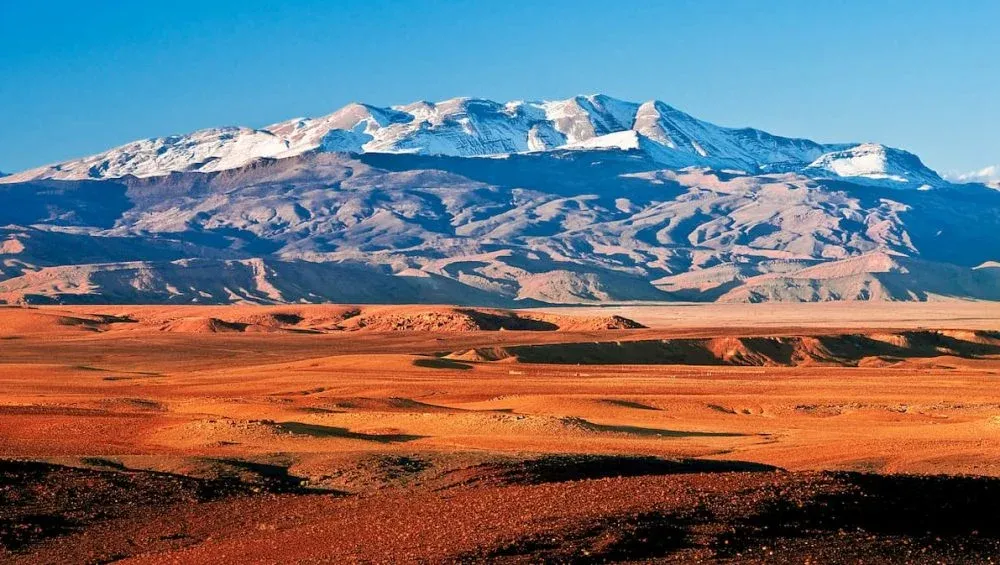
Morocco is home to some of the most impressive mountain landscapes in North Africa. Stretching across the country, the Atlas Mountains offer spectacular scenery, traditional villages, diverse wildlife, and exciting outdoor adventures.
These mountains are not a single continuous range but consist of several distinct sections, each with its own geographical features, climate, and cultural attractions. The three major sections are the High Atlas, Middle Atlas, and Anti-Atlas Mountains.
Understanding their locations and differences can help travellers plan their journeys, discover hidden destinations, and appreciate Morocco's natural diversity. A detailed map of morocco atlas mountains is particularly useful for understanding how these mountain ranges connect and where their most famous attractions are located.
1. Understanding the Atlas Mountain Range
The Atlas Mountains stretch across Morocco, Algeria, and Tunisia, forming an important geographical feature of North Africa. In Morocco, they extend from the southwest towards the northeast, separating different climatic and geographical regions.
The mountain system plays an important role in the country's environment. It influences rainfall, river systems, agriculture, and local temperatures. Its landscapes range from snow-covered peaks and green valleys to rocky slopes and dry desert environments.
The three principal Moroccan sections are:
- High Atlas Mountains
- Middle Atlas Mountains
- Anti-Atlas Mountains
Each range offers a different experience, making the region attractive to hikers, photographers, nature enthusiasts, and cultural travellers.
2. The High Atlas Mountains: Morocco's Highest Peaks
The High Atlas is the most famous and tallest section of the Atlas Mountain system. It stretches across central Morocco and contains some of the country's most dramatic mountain scenery.
Its most remarkable feature is Mount Toubkal, which reaches approximately 4,167 metres above sea level. It is the highest mountain in North Africa and attracts climbers and adventure enthusiasts from around the world.
Popular Destinations in the High Atlas
Several destinations make this mountain range particularly appealing:
Mount Toubkal: This famous peak is a popular destination for trekking and mountaineering. Many visitors travel to the nearby village of Imlil before beginning their journey towards the summit.
Imlil Valley: Surrounded by impressive mountain scenery, Imlil is an important starting point for trekking adventures. Visitors can explore traditional Berber villages, enjoy local hospitality, and experience beautiful walking routes.
Ourika Valley: Located near Marrakech, this valley is known for its rivers, waterfalls, green landscapes, and traditional settlements.
Ouzoud Waterfalls: Although situated outside the central High Atlas area, these famous waterfalls are frequently included in wider Atlas Mountain travel itineraries.
The High Atlas is especially popular during spring and autumn when temperatures are generally more comfortable for outdoor activities.
3. The Middle Atlas Mountains: Forests, Lakes and Wildlife
The Middle Atlas Mountains are located northeast of the High Atlas and are known for their greener landscapes, forests, and natural lakes. Unlike the rugged peaks of the High Atlas, this region features rolling hills, wooded valleys, and open plateaus.
The Middle Atlas receives more rainfall than many surrounding areas, supporting extensive forests and diverse wildlife. Cedar forests are among its most recognisable natural attractions.
Important Places in the Middle Atlas
Ifrane: Often called the Switzerland of Morocco, Ifrane is famous for its European-style architecture, clean streets, and cooler climate. It is a popular destination for visitors looking for a peaceful mountain escape.
Azrou: This traditional town is surrounded by cedar forests and offers opportunities to explore local culture and natural scenery.
Cedar Forests: The forests around Azrou are particularly famous for their ancient cedar trees and Barbary macaques, which can sometimes be observed in their natural environment.
Lake Aguelmame Azigza: This beautiful mountain lake provides a peaceful setting for picnics, photography, and nature exploration.
The Middle Atlas is an excellent destination for travellers interested in wildlife, forest walks, and relaxing mountain experiences.
4. The Anti-Atlas Mountains: Rugged Landscapes and Ancient Heritage
The Anti-Atlas Mountains are located in southern Morocco, extending towards the Atlantic coastal region and the edge of the Sahara Desert. They are geologically older than the High and Middle Atlas ranges and feature distinctive rocky formations, dry valleys, and unusual landscapes.
The region has a completely different appearance from the greener Middle Atlas. Its scenery includes colourful mountains, traditional villages, palm-filled valleys, and ancient geological formations.
Notable Attractions in the Anti-Atlas
Tafraoute: This charming town is surrounded by impressive granite formations and is famous for its unusual rock colours and traditional architecture.
Ameln Valley: Located near Tafraoute, this beautiful valley features traditional Berber villages, palm trees, and dramatic mountain scenery.
Jebel Sirwa: This volcanic mountain area lies between the High Atlas and Anti-Atlas regions and offers interesting trekking opportunities.
Aït Mansour Gorge: Known for its palm groves and impressive rocky surroundings, this destination provides a memorable experience for visitors exploring southern Morocco.
The Anti-Atlas is particularly attractive to photographers, geology enthusiasts, and travellers interested in discovering less crowded destinations.
5. How the Three Mountain Ranges Differ
Although all three ranges belong to the wider Atlas Mountain system, they offer different geographical and travel experiences.
|
Feature |
High Atlas |
Middle Atlas |
Anti-Atlas |
|
Landscape |
High peaks and valleys |
Forests and lakes |
Rocky and dry mountains |
|
Climate |
Alpine and variable |
Cooler and wetter |
Generally dry |
|
Main attraction |
Mount Toubkal |
Cedar forests |
Tafraoute |
|
Popular activities |
Trekking and climbing |
Nature walks and wildlife viewing |
Hiking and photography |
These differences make each region worth exploring. Travellers interested in challenging mountain adventures may prefer the High Atlas, while those seeking forests and peaceful lakes may enjoy the Middle Atlas. The Anti-Atlas is ideal for discovering dramatic desert landscapes and traditional southern Moroccan culture.
6. Understanding the Geography Through Maps
Planning a mountain journey becomes easier when travellers understand the geographical relationship between the three ranges. A map of morocco atlas mountains helps identify the position of major peaks, valleys, towns, and trekking destinations.
The High Atlas runs through central Morocco, with Marrakech serving as an important gateway to several mountain destinations. The Middle Atlas lies further northeast, with towns such as Ifrane and Azrou providing access to its forests and lakes. The Anti-Atlas extends across the southern part of the country, with Tafraoute serving as one of its best-known destinations.
Maps are also helpful when planning transport routes, estimating travel distances, and selecting accommodation. Since mountain roads can be winding and travel times may vary, checking routes before departure is particularly important.
A map of morocco atlas mountains can also help visitors identify nearby villages, mountain passes, and natural attractions that may not appear in standard tourist guides.
7. Best Time to Explore the Atlas Mountains
The ideal time to visit depends on the destination and activities planned.
Spring, from March to May, is an excellent season for exploring valleys, enjoying pleasant temperatures, and photographing colourful landscapes.
Summer, from June to August, is generally suitable for higher-altitude trekking, although lower mountain areas can become very hot.
Autumn, from September to November, offers comfortable conditions for hiking and sightseeing. It is also a popular period for visiting Imlil and Mount Toubkal.
Winter brings snowfall to higher elevations, particularly in the High Atlas. While this creates beautiful scenery, mountain conditions can become challenging and require suitable equipment and experienced guides.
8. Travel Preparation and Safety Tips
Exploring Morocco's mountain regions requires proper planning. Travellers should research their destinations, check weather forecasts, and select routes according to their fitness levels.
Important preparation tips include:
- Carry sufficient drinking water and snacks.
- Wear comfortable hiking shoes and suitable clothing.
- Bring warm layers when visiting higher elevations.
- Check road and trail conditions before travelling.
- Respect local customs and traditional communities.
- Consider hiring experienced local guides for difficult routes.
- Avoid travelling alone on unfamiliar mountain trails.
Having a map of morocco atlas mountains available during the planning process can make navigation easier and help visitors understand the distances between different attractions.
9. Discover Morocco's Mountains with mttoubkaltrek
mttoubkaltrek provides travellers with an opportunity to discover the natural beauty and cultural heritage of Morocco's mountain regions. From exploring traditional villages around Imlil to experiencing the impressive landscapes surrounding Mount Toubkal, the brand focuses on helping visitors enjoy memorable mountain adventures.
Whether travellers are interested in trekking, discovering local traditions, or experiencing breathtaking scenery, mttoubkaltrek can be a useful starting point when planning an unforgettable Atlas Mountain journey.
Conclusion
The High, Middle, and Anti-Atlas Mountains represent three fascinating geographical regions of Morocco. Each offers unique landscapes, natural attractions, and cultural experiences. The High Atlas is famous for its towering peaks and challenging trekking routes, the Middle Atlas attracts visitors with its forests and lakes, and the Anti-Atlas showcases ancient geological formations and beautiful traditional villages.
Understanding their locations and characteristics makes exploring Morocco much easier. With proper preparation and a reliable map of morocco atlas mountains, travellers can discover the country's remarkable mountain diversity and enjoy experiences ranging from peaceful nature walks to challenging high-altitude adventures.
- Managerial Effectiveness!
- Future and Predictions
- Motivatinal / Inspiring
- Fitness and Wellness
- Medical & Health
- Manufacturing
- Educación
- Real-Estate
- Food Industry
- Hospitality
- Online Games
- Sports
- Home Services
- Civil Engineering
- Safety and Protection
- Software Products & Services
- Fashion and Jewellery
- Artificial Intelligence
- Entrepreneurship
- Mentoring & Guidance
- Marketing
- Networking
- HR & Recruiting
- Literature
- Shopping
- Career Management & Advancement