

 SkillClick
What Should Las Vegas Businesses Do When a Commercial Flat Roof Develops a Leak?
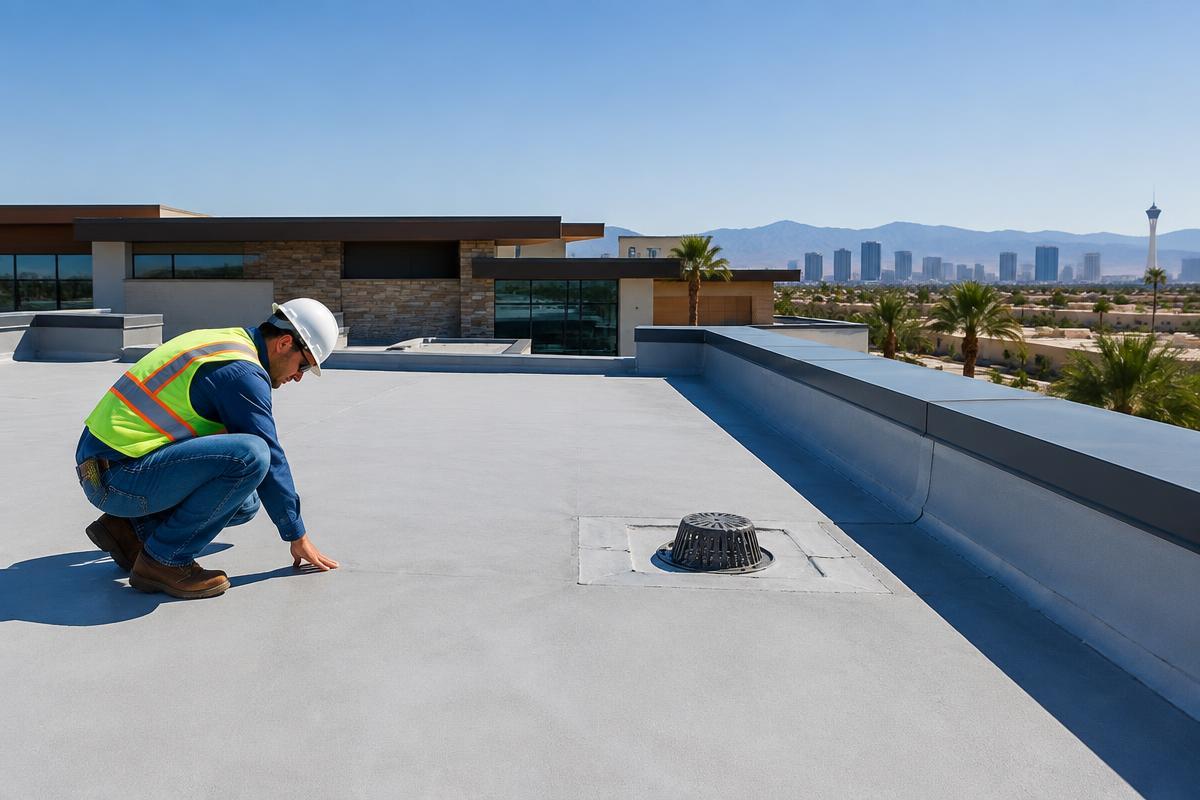
A leaking commercial roof can quickly become more than a maintenance concern. Water entering a warehouse, retail building, office, or other commercial property can affect ceilings, insulation, electrical areas, inventory, and everyday operations. Even a relatively small leak deserves attention because the visible water may appear far from the actual point of entry.
For businesses in Las Vegas, maintaining a commercial roof requires attention to the region's demanding desert environment. Prolonged sunlight, high surface temperatures, seasonal winds, and sudden rainstorms can place repeated stress on roofing materials. Understanding how leaks develop and how professionals investigate them can help property owners make informed decisions before damage becomes more extensive.
Why Do Commercial Flat Roofs Develop Leaks?
Flat and low-slope commercial roofs are designed to manage water through carefully constructed drainage systems and waterproofing layers. Although these roofs may appear level, their design typically incorporates slopes that direct rainwater toward drains, scuppers, and designated drainage points.
Problems can develop when individual roofing components deteriorate or when water cannot move away from the building efficiently.
Several conditions deserve attention:
1. Aging Seams and Waterproofing Materials
Commercial roofing systems contain seams, joints, and transitions that must remain properly sealed. Repeated exposure to sunlight and temperature changes can contribute to material deterioration. As roofing materials expand and contract, vulnerable connections may develop openings that allow moisture to enter.
A professional inspection can help determine whether a problem involves a localized seam failure or a broader section of the roofing assembly.
2. Standing Water and Drainage Problems
Water that remains on a roof after rainfall can indicate drainage concerns. Blocked drains, damaged scuppers, inadequate drainage slopes, and accumulated debris may prevent water from leaving the roof efficiently.
Property managers should pay attention to recurring ponding areas rather than assuming that every puddle is harmless. A roofing professional can evaluate the drainage arrangement and determine whether corrective work is necessary.
3. Damaged Flashing Around Roof Penetrations
Commercial buildings frequently contain rooftop equipment, ventilation systems, HVAC units, and other penetrations. These features require appropriate flashing and waterproofing details.
When surrounding seals deteriorate, moisture can enter through vulnerable connections. Water appearing near an interior ceiling may therefore originate from a rooftop penetration several feet away.
4. Parapet Walls and Roof Edges
Parapet walls, perimeter edges, and transitions require reliable waterproofing. Cracks, deteriorated sealants, and damaged connections can create entry points during wind-driven rainfall.
These areas deserve particular attention during inspections because water can travel along building components before becoming visible indoors.
What Should Businesses Do When a Roof Leak Appears?
The first priority is protecting people, equipment, and the building's interior. Business owners should avoid sending unqualified employees onto a roof to investigate an active leak.
Instead, property managers can follow a practical response process.
Document the visible problem. Record where water appears, when it was first noticed, and whether the problem becomes worse during rainfall. Photographs taken from safe locations can help explain the situation to a roofing professional.
Protect vulnerable areas. Move inventory, furniture, documents, and equipment away from affected spaces when possible. Use appropriate temporary measures to collect water without creating electrical or slip hazards.
Check for immediate safety concerns. Water near electrical equipment, damaged ceilings, or unstable building materials requires additional caution. Restrict access to potentially hazardous areas and contact qualified professionals when necessary.
Arrange a professional roof inspection. An interior ceiling stain does not necessarily identify the actual source of a leak. A qualified roofing technician should investigate the roof assembly, surrounding materials, drainage components, and possible entry points.
Discuss the findings before authorizing repairs. Property owners should understand the identified problem, proposed repair method, expected scope, and any additional work that may become necessary.
This approach helps businesses respond systematically instead of relying on repeated temporary patches.
How Does Professional Commercial Roof Leak Detection Work?
Effective leak detection involves more than locating a wet ceiling tile or applying sealant to a visible opening. The goal is to identify how moisture enters the building and understand the condition of the surrounding roofing materials.
A professional assessment generally considers several important areas.
Inspecting the Roof Surface
Technicians examine the roof covering for visible damage, deteriorated seams, cracks, loose materials, and areas that may allow water penetration.
The inspection should also consider transitions between different roofing materials because these locations can contain vulnerable connections.
Evaluating Drainage Components
Drains, scuppers, drainage pathways, and ponding areas should receive appropriate attention. If water cannot leave the roof efficiently, repairing an isolated leak may not address the underlying problem.
A complete evaluation considers both the damaged location and the conditions that may contribute to recurring moisture exposure.
Checking HVAC Curbs and Roof Penetrations
Commercial rooftop equipment creates multiple points where waterproofing details must remain effective.
Technicians may examine HVAC curb flashing, surrounding sealants, expansion joints, and other penetrations. Identifying a damaged connection can help determine why water is entering the building.
For businesses needing Emergency Commercial Flat Roof Leak Detection & Repair in Las Vegas, NV, the objective should be to identify the source of the problem and select a repair approach that addresses the affected roofing components.
Understanding the Extent of Moisture Damage
Water can travel beneath roofing materials and affect insulation or other building components. Consequently, the visible leak location may not represent the full extent of the problem.
A thorough assessment helps establish whether the damage appears localized or whether additional areas require attention. Photographic documentation can also help property managers understand the findings and maintain useful maintenance records.
Why Is Timely Roof Repair Important for Las Vegas Businesses?
Commercial properties depend on functional building systems to support daily operations. A roof leak can interfere with that reliability in several ways.
Protection of interior property: Moisture can damage stored products, office furnishings, ceiling materials, and other valuable contents. Addressing the source helps limit continued exposure.
Reduced operational disruption: Water intrusion may require businesses to restrict access to certain rooms, relocate equipment, or adjust daily activities. Appropriate repairs can help restore normal use of affected spaces.
Preservation of roofing materials: A localized problem may become more extensive if moisture continues entering the roof assembly. Timely assessment helps property owners understand the available repair options.
Better maintenance planning: Inspection findings provide useful information for future maintenance decisions. Business owners can distinguish between immediate repair needs and broader roofing concerns that may require separate planning.
The appropriate response depends on the actual condition of the roof rather than the size of the visible stain alone.
Repair or Replacement: How Should Property Owners Decide?
Not every commercial roof leak requires a complete roof replacement. In some situations, targeted repairs may address damaged seams, flashing, drainage components, or isolated waterproofing failures.
However, extensive deterioration, widespread membrane damage, or recurring problems may indicate that a larger restoration or replacement project deserves consideration.
Before making a decision, property owners should ask several questions:
-
Is the damage limited to a specific area?
-
Are the surrounding roofing materials still in serviceable condition?
-
Are drainage problems contributing to repeated water accumulation?
-
Have previous repairs addressed the underlying cause?
-
Would a restoration system provide an appropriate solution for the existing roof?
Different roofing assemblies require different repair methods. Modified bitumen, TPO, and other low-slope roofing systems have distinct material characteristics and installation requirements.
For example, damaged seams on one system may require a different repair procedure from deteriorated flashing or a compromised waterproofing layer on another. The repair method should therefore match the existing roofing assembly and the findings of the inspection.
What Should Property Managers Look for in a Commercial Roofing Contractor?
Choosing a roofing professional is an important decision, particularly when a leak threatens an active business property.
Property managers should look for clear communication, a detailed assessment, and a written explanation of the proposed work.
A useful repair proposal should identify the affected roof areas, describe the recommended corrective work, and explain any limitations or additional concerns discovered during inspection.
It is also sensible to verify the contractor's current licensing and insurance information through the appropriate Nevada authorities. Property owners should ask who will perform the work, what materials are involved, and whether photographs or documentation will be provided.
Rather than relying entirely on an advertised repair timeline or a general promise of long-term protection, businesses should compare the actual scope of work and understand what the contractor is proposing.
A clear inspection and repair process makes it easier to evaluate options and plan maintenance responsibly.
Protecting Commercial Buildings Starts With Understanding the Roof
A commercial roof plays an important role in protecting the people, equipment, and operations inside a building. In Las Vegas, regular attention to drainage, waterproofing, seams, and rooftop penetrations can help property owners recognize potential problems before they become more disruptive.
When water intrusion appears, the most useful first step is to identify its source rather than repeatedly treating the visible symptoms. A professional assessment can explain the condition of the affected areas, identify possible contributing factors, and help determine whether targeted repairs or broader roofing work are appropriate.
With informed maintenance decisions and properly evaluated repairs, commercial property owners can take a more organized approach to protecting their buildings and maintaining dependable operations.
More details are available at: Local Business Directory
- Managerial Effectiveness!
- Future and Predictions
- Motivatinal / Inspiring
- Fitness and Wellness
- Medical & Health
- Manufacturing
- Education
- Real-Estate
- Food Industry
- Hospitality
- Online Games
- Sports
- Home Services
- Civil Engineering
- Safety and Protection
- Software Products & Services
- Fashion and Jewellery
- Artificial Intelligence
- Entrepreneurship
- Mentoring & Guidance
- Marketing
- Networking
- HR & Recruiting
- Literature
- Shopping
- Career Management & Advancement