

 SkillClick
How to Choose the Right Lab Grown Diamond Jewellery for Lasting Style
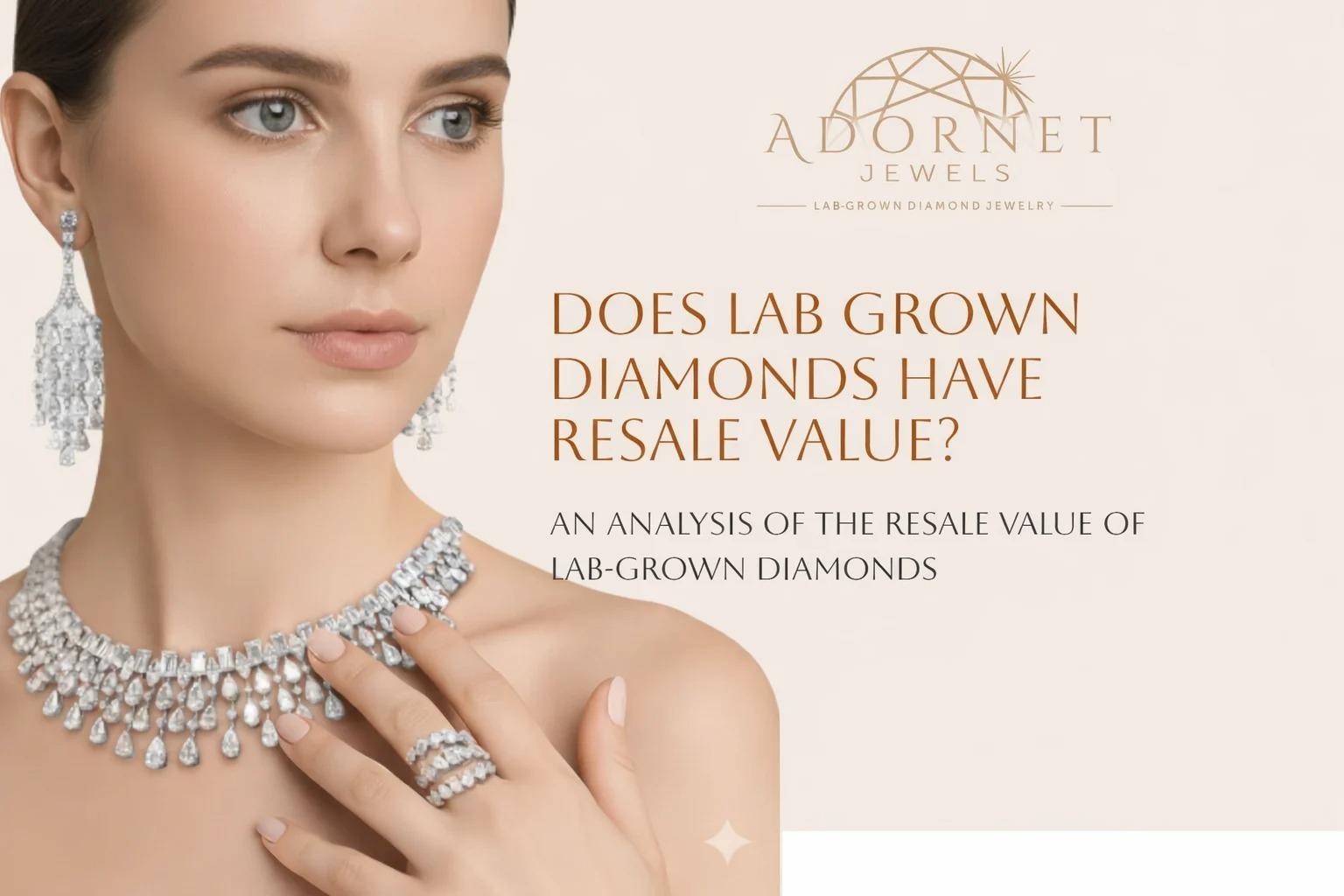
Buying diamond jewellery is no longer limited to choosing between different natural diamond designs. Lab-grown diamonds have introduced more choices for buyers who want elegant designs, attractive stones, and greater flexibility within their budget. From engagement rings to everyday earrings and statement necklaces, these diamonds are becoming an important part of modern jewellery collections.
However, selecting the right piece involves more than comparing carat weight or appearance. Buyers should understand diamond quality, manufacturing standards, certification, design, and long-term ownership costs before making a purchase.
For buyers who want to understand the financial side of owning these diamonds, exploring the resale value of lab-grown diamonds can provide useful insights before choosing a jewellery piece.
This guide explains the essential factors to consider when choosing lab-grown diamond jewellery and how to make a more informed buying decision.
1. Understand What Makes Lab-Grown Diamonds Different
Lab-grown diamonds are created in controlled laboratory environments using advanced technological processes. Two widely used methods are Chemical Vapour Deposition (CVD) and High Pressure High Temperature (HPHT).
Unlike diamond simulants such as cubic zirconia, lab-grown diamonds have essentially the same chemical composition and physical properties as natural diamonds. Their origin is different, but they offer the brilliance, hardness, and durability associated with diamond jewellery.
The main difference is how they are formed. Natural diamonds develop through geological processes over extremely long periods, while laboratory-grown diamonds are produced under controlled conditions.
Understanding this distinction helps buyers make decisions based on their preferences, budget, and expectations rather than appearance alone.
2. Pay Attention to the Four Cs of Diamond Quality
The Four Cs are among the most important factors when evaluating a diamond. They help buyers understand the characteristics that influence its appearance and pricing.
Cut
Cut determines how effectively a diamond reflects light. A well-cut stone produces attractive brilliance and sparkle. Even a diamond with excellent colour and clarity may appear less impressive if its proportions and cutting quality are poor.
Colour
Diamond colour grades indicate how much colour is visible in a stone. Colourless diamonds generally receive higher grades, while stones with noticeable yellow or brown tones receive lower grades on the standard colour scale.
Clarity
Clarity refers to natural or growth-related characteristics inside a diamond or on its surface. These features are known as inclusions and blemishes. Buyers should compare clarity grades while also examining how visible these characteristics are to the naked eye.
Carat
Carat measures the weight of a diamond, not its physical size. Two diamonds with the same carat weight can look different depending on their shape, proportions, and cutting style.
Considering all four characteristics together is more useful than selecting a diamond based on carat weight alone.
3. Check Diamond Certification Before Purchasing
Certification is an important part of buying diamond jewellery because it provides documented information about a stone's characteristics.
A recognised gemological laboratory can assess diamond quality and provide a grading report. Organisations such as the Gemological Institute of America (GIA) and International Gemological Institute (IGI) offer services relating to diamond identification and assessment.
Before purchasing, buyers should check:
-
The grading report and its identification number.
-
The stated carat weight, colour, and clarity.
-
Whether the stone is clearly identified as laboratory-grown.
-
Any disclosed post-growth treatments.
-
Whether the report details match the diamond being purchased.
A grading report helps establish confidence in the product, but it does not guarantee a particular resale price or future market value.
4. Select a Setting That Matches Your Lifestyle
The diamond setting influences both the appearance and practical use of a jewellery piece. A beautiful stone should also be securely mounted and comfortable to wear.
Some popular settings include:
-
Prong Setting: Holds the diamond with small metal claws, allowing more light to enter the stone.
-
Bezel Setting: Surrounds the diamond with a metal rim, offering additional protection.
-
Halo Setting: Places smaller diamonds around a centre stone to create a more prominent appearance.
-
Pavé Setting: Uses several small diamonds placed closely together to create a continuous sparkle.
For everyday wear, buyers may prefer secure settings with fewer exposed edges. Engagement rings and statement pieces can incorporate more detailed designs depending on personal preference.
The choice of metal also matters. Gold and platinum are popular options, while the colour of the metal can influence how the diamond looks.
5. Compare Pricing Beyond Carat Weight
One common mistake buyers make is comparing diamonds only by their carat weight. Two stones of identical weight may have different prices because of variations in cut, colour, clarity, certification, and overall appearance.
A practical comparison should consider the complete jewellery piece rather than just the centre diamond.
Before making a purchase, evaluate:
-
Diamond quality and grading details.
-
Metal type, purity, and weight.
-
Manufacturing and setting charges.
-
Design complexity and finishing.
-
Applicable taxes and additional costs.
-
Warranty, repair, and exchange conditions.
For example, a simple solitaire ring and a detailed halo ring may contain diamonds of similar total weight but have different manufacturing costs.
Requesting an itemised quotation makes it easier to understand what you are paying for and compare products fairly.
6. Understand Long-Term Ownership and Resale Expectations
Although lab-grown diamonds offer flexibility in design and purchasing budgets, buyers should have realistic expectations about their future value.
The resale market for laboratory-grown diamonds is different from the market for natural diamonds. Changes in manufacturing technology, production costs, supply, and consumer demand can influence the price of comparable stones.
It is also important to distinguish between the resale value of a loose diamond and that of a finished jewellery piece. A ring or necklace may contain valuable precious metals, carefully selected stones, and skilled craftsmanship. Each component can influence how a potential buyer evaluates the item.
A few practical steps can make future evaluations easier:
-
Preserve the original purchase invoice.
-
Keep the diamond grading report safely.
-
Store product details and design specifications.
-
Avoid damaging the stone or its setting.
-
Read the manufacturer's written buyback and exchange conditions.
A certification report helps establish the diamond's identity and quality, but it should not be treated as a promise of future resale value.
7. Evaluate the Manufacturer Before Placing an Order
For individual buyers, choosing a reliable retailer is important. For jewellery businesses, selecting the right manufacturing partner can have an even greater impact on product quality and customer satisfaction.
Retailers, wholesalers, and private-label brands should evaluate a manufacturer's capabilities before entering into a business relationship.
Consider these essential points:
Custom Design Capabilities: Check whether the manufacturer can develop designs according to your specifications and brand requirements.
CAD Development: Computer-aided design allows businesses to review digital jewellery models before production begins. It helps identify design adjustments at an early stage.
Production Quality: Ask about stone-setting techniques, metal finishing, polishing, and quality inspection procedures.
Certification and Documentation: Confirm that diamond details, sourcing information, and relevant grading documents are available.
Production Flexibility: Discuss minimum order quantities, sampling options, production timelines, and the ability to handle repeat orders.
A manufacturer with clear communication and consistent quality standards can help businesses maintain a reliable jewellery collection.
8. Consider Design Versatility and Everyday Wear
A jewellery purchase becomes more practical when its design suits different occasions. Buyers should consider whether they want a statement piece for special events or something that can be worn regularly.
Classic solitaire rings, minimal diamond pendants, stud earrings, and delicate bracelets are versatile choices that can complement different outfits.
Customisation also allows buyers to select diamond shapes, metal colours, settings, and design details according to their preferences.
For jewellery brands, offering a combination of timeless and contemporary designs can help serve customers with different tastes. A balanced collection can include traditional engagement rings alongside modern earrings, necklaces, and personalised pieces.
Conclusion
Choosing lab-grown diamond jewellery requires a balance of quality, design, certification, craftsmanship, and budget. Understanding these factors helps buyers select pieces that suit their preferences while avoiding unrealistic expectations about future value.
Whether purchasing a single ring or developing a complete jewellery collection, informed decisions and transparent manufacturing standards make the experience more rewarding.
Disclaimer: This article is intended for general educational and informational purposes only. Diamond prices, resale values, and market conditions may change over time. Buyers should independently verify product specifications, certification, and resale or exchange terms before making a purchase.
- Managerial Effectiveness!
- Future and Predictions
- Motivatinal / Inspiring
- Fitness and Wellness
- Medical & Health
- Manufacturing
- Education
- Real-Estate
- Food Industry
- Hospitality
- Online Games
- Sports
- Home Services
- Civil Engineering
- Safety and Protection
- Software Products & Services
- Fashion and Jewellery
- Artificial Intelligence
- Entrepreneurship
- Mentoring & Guidance
- Marketing
- Networking
- HR & Recruiting
- Literature
- Shopping
- Career Management & Advancement