

 SkillClick
Epilepsy Treatment in Delhi: When Should You Consult a Neurologist?
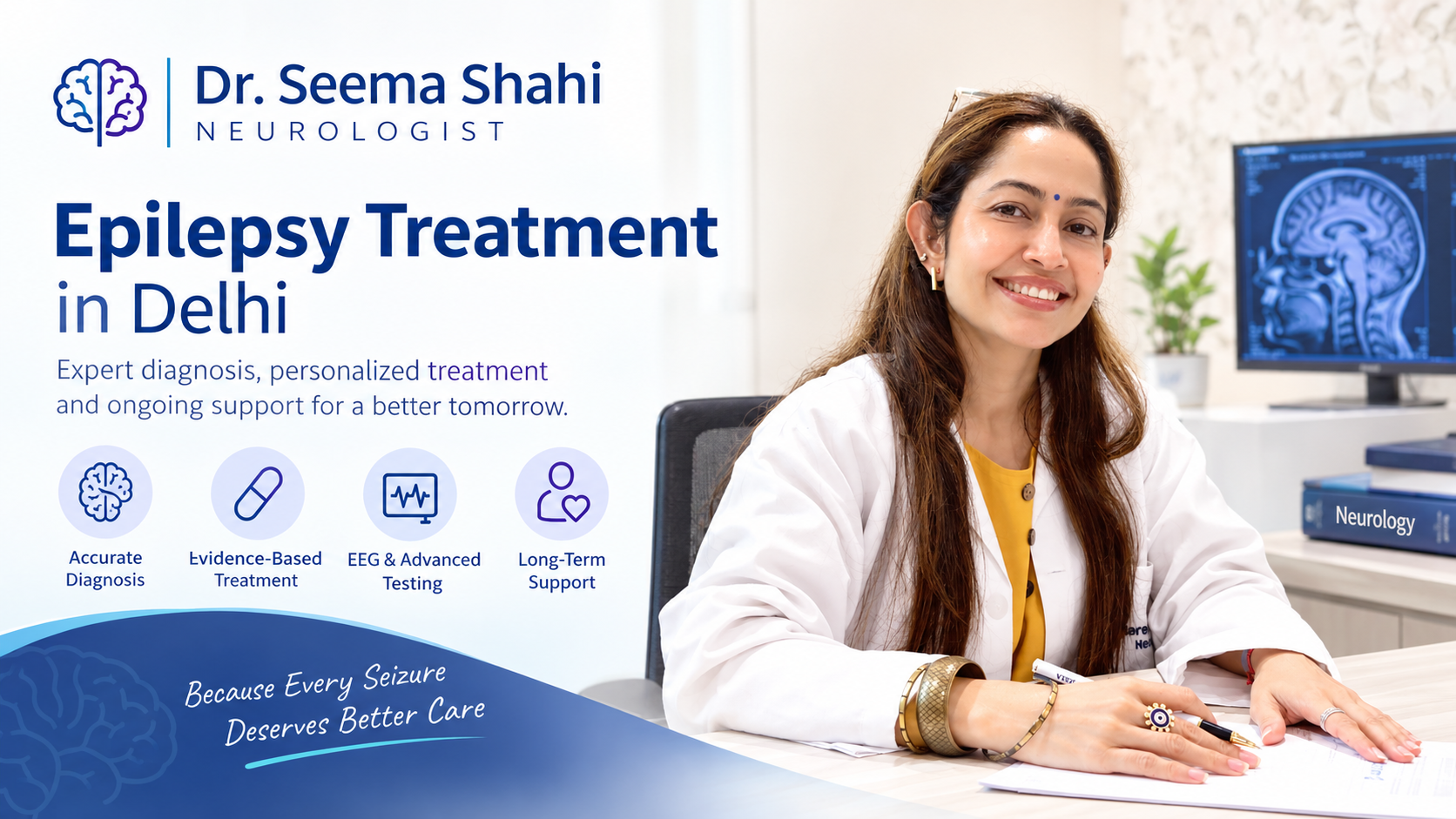
A seizure can be frightening, whether it happens to you or to someone you love. Many families in Delhi wait, hoping it was a one-time event, or turn to home remedies and delay medical care. But epilepsy is one of the most treatable neurological conditions when it is diagnosed early. Knowing when to seek epilepsy treatment in Delhi can make a real difference to your long-term health, safety and quality of life.
What Is Epilepsy?
Epilepsy is a neurological disorder in which abnormal electrical activity in the brain causes repeated, unprovoked seizures. A single seizure does not always mean epilepsy. A diagnosis is usually made when a person has had two or more unprovoked seizures, or when tests show a high risk of more.
Seizures do not always involve dramatic shaking. They can look very different from person to person.
Common Types of Seizures
- Generalised tonic-clonic seizures: loss of consciousness, body stiffening and jerking movements.
- Focal (partial) seizures: twitching, tingling, strange smells or sensations, or sudden fear, often with confusion.
- Absence seizures: brief staring spells, more common in children, often mistaken for daydreaming.
- Myoclonic seizures: sudden, quick jerks of the arms or legs.
Because the signs can be subtle, many people go undiagnosed for years. This is why consulting a neurologist in Delhi at the first sign of trouble matters.
When Should You Consult a Neurologist?
You should book an appointment with a neurologist if you or a family member notices any of the following.
- A first-ever seizure. Even if the person seems fine afterwards, a first seizure needs evaluation. A neurologist can look for causes such as head injury, infection, stroke, tumour, metabolic problems or an underlying epilepsy syndrome.
- Repeated episodes of unexplained blackouts or staring. Sudden loss of awareness, unusual movements, confusion or “zoning out” may be seizures rather than fainting, anxiety or tiredness.
- Seizures despite taking medication. If you are already on anti-epileptic drugs and still have seizures, your treatment plan may need to be reviewed. Persistent seizures can mean the dose, the medicine or the diagnosis needs reassessment.
- Side effects from medicines. Drowsiness, mood changes, memory problems or dizziness should never be ignored. Your neurologist can often adjust the treatment to reduce them.
- Seizures after a head injury, stroke or brain infection. These can lead to epilepsy, and early specialist care improves outcomes.
- Seizures in children. Prolonged fever-related convulsions, developmental delay or repeated episodes call for a prompt neurological opinion.
- Pregnancy planning. Women with epilepsy need careful medication planning before and during pregnancy to protect both mother and baby.
When Is It an Emergency?
Go to the nearest hospital immediately if:
- A seizure lasts longer than five minutes.
- Seizures follow one another without recovery in between.
- The person has trouble breathing or does not wake up afterwards.
- The seizure occurs in water, or the person is injured.
- It is a first seizure in an older adult, or the person is pregnant or diabetic.
How Is Epilepsy Diagnosed?
A proper diagnosis begins with a detailed history of what happened before, during and after the episode. Eyewitness descriptions are very valuable, and a short phone video of the event can help your doctor a great deal.
Common investigations include:
- EEG (electroencephalogram): records the brain’s electrical activity and can detect abnormal patterns.
- Video EEG monitoring: records brain waves and video together, helping doctors tell epileptic seizures from non-epileptic events and identify where seizures begin.
- MRI brain: looks for structural causes such as scarring, tumours or developmental abnormalities.
- Blood tests: rule out metabolic or infective triggers.
Accurate diagnosis is the foundation of effective seizure treatment in Delhi, because the right treatment depends on the right seizure type.
Epilepsy Treatment Options
The good news is that many people with epilepsy can become seizure-free with the right care.
Anti-seizure medication: This is the first-line treatment. The medicine is chosen according to seizure type, age, gender, other health conditions and lifestyle. Taking tablets regularly and never stopping suddenly is essential.
Lifestyle management: Good sleep, regular meals, stress control, avoiding alcohol and recognising personal triggers all help reduce seizure frequency.
Advanced options: When two or more medicines fail to control seizures, the condition is called drug-resistant epilepsy. In such cases an epilepsy specialist may consider further evaluation for options such as epilepsy surgery, nerve stimulation or a specialised diet, depending on the patient.
Why See an Epilepsy Specialist?
A general physician can start first aid and basic care, but epilepsy is complex. A dedicated epilepsy specialist in Delhi has in-depth training in interpreting EEG findings, choosing and adjusting medicines, and identifying patients who need advanced evaluation. Specialist care reduces misdiagnosis, avoids unnecessary medicine changes and helps you get control sooner.
Busting Common Myths
- Myth: Epilepsy is a mental illness. Fact: It is a neurological condition of the brain.
- Myth: People with epilepsy cannot study, work or marry. Fact: With proper treatment, most lead full, productive lives.
- Myth: Putting a spoon or shoe in the mouth helps. Fact: Never put anything in a person’s mouth during a seizure. Turn them onto their side, protect the head and time the seizure.
Finding the Right Care in Delhi
Whether you live in Karol Bagh, Dwarka, Lajpat Nagar or elsewhere in the city, access to specialist care is easier than ever. Many patients also begin with an online consultation to discuss symptoms and plan the next steps before visiting in person.
Dr. Seema Shahi, a neurologist at Pacific OneHealth, Delhi, provides evaluation and treatment for epilepsy and seizure disorders. You can learn more about services and book an appointment at drseemashahi.com.
Final Thoughts
Epilepsy is manageable, and early diagnosis is the key. If you or someone close to you has had a seizure, repeated blackouts or seizures that medication has not controlled, do not wait. Consulting a neurologist early gives you the best chance of control, safety and a normal life.
- Managerial Effectiveness!
- Future and Predictions
- Motivatinal / Inspiring
- Fitness and Wellness
- Medical & Health
- Manufacturing
- Education
- Real-Estate
- Food Industry
- Hospitality
- Online Games
- Sports
- Home Services
- Civil Engineering
- Safety and Protection
- Software Products & Services
- Fashion and Jewellery
- Artificial Intelligence
- Entrepreneurship
- Mentoring & Guidance
- Marketing
- Networking
- HR & Recruiting
- Literature
- Shopping
- Career Management & Advancement