

 SkillClick
Haibo Doors HPL Door Factory for Commercial Interiors
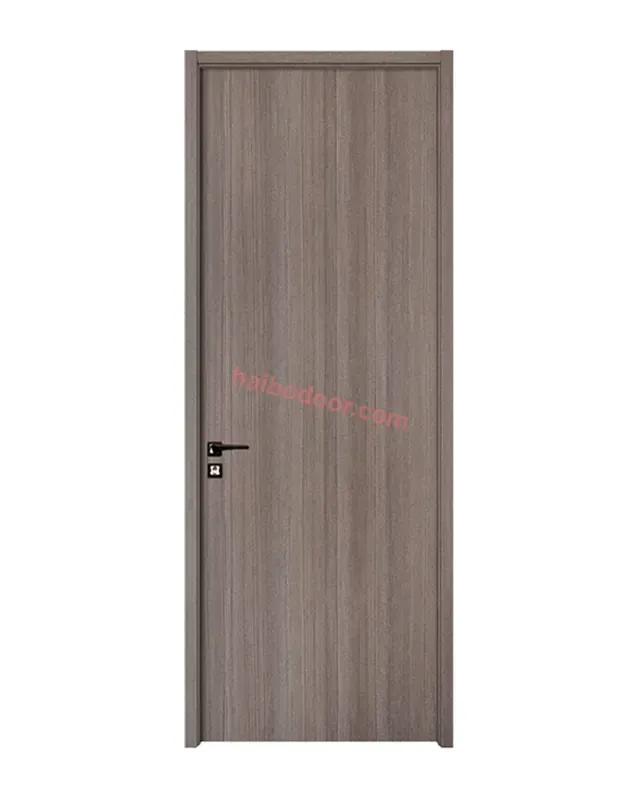
Every construction project has its own architectural layout, interior style, operating conditions, and installation schedule. A residential development may require coordinated door designs across bedrooms, bathrooms, and living areas, while a hotel or commercial building may need consistent specifications for numerous rooms and public spaces. Selecting a suitable HPL Door Factory is therefore an important part of project planning. Through its website, haibodoor introduces door products, customization options, and manufacturing services for different applications. How can a manufacturer coordinate these details to meet the practical requirements of each project?
Understanding Project Requirements Before Production
The first step is to understand where the doors will be installed and how each space will be used. A hotel bedroom, an office corridor, an apartment entrance, and a healthcare facility can have different expectations regarding appearance, privacy, maintenance, and daily use. These differences should be discussed before the product specification is confirmed, since the intended application affects material selection, surface treatment, door structure, and hardware configuration.
Project drawings provide a useful starting point for communication. Architects, contractors, and purchasing teams can share opening dimensions, wall thicknesses, frame details, door swing directions, and installation conditions. When a building contains several room types, preparing a door schedule can help organize the required specifications. It may include the location of each door, its dimensions, surface finish, opening direction, and hardware requirements. This information gives the manufacturer a clearer basis for quotation and production planning.
It is also useful to identify which specifications must remain consistent throughout the project and which can vary by room. For example, a hotel may use a coordinated surface design throughout the building while requiring different dimensions or hardware arrangements for selected areas. Defining these details at an early stage helps reduce unnecessary revisions during manufacturing.
Choosing Suitable Materials and Surface Finishes
HPL, or High-Pressure Laminate, is a surface material produced by pressing resin-treated paper layers under controlled heat and pressure. When used in door construction, the laminate is bonded to a suitable door substrate to create a finished panel. The selected core material, bonding method, edge treatment, and overall construction all influence the characteristics of the completed door. Buyers should evaluate the complete door specification rather than considering the decorative surface alone.
Surface appearance is an important part of interior coordination. Different projects may call for wood-grain patterns, solid colors, subtle textures, or contemporary decorative finishes. A hotel may require a warm wood appearance to complement furniture and wall decoration, while an office project may use a restrained color scheme that matches its reception area and meeting rooms. Coordinating samples with flooring, wall panels, cabinets, and other interior elements can help designers assess the overall visual effect before placing an order.
The operating environment also deserves attention. Areas exposed to frequent contact may require a surface specification suited to regular cleaning and everyday use. Spaces with higher humidity should be evaluated according to the complete door construction, including the core, bonding, and edge details. Buyers should request relevant technical information and test documentation when specific moisture, fire, or other performance requirements apply. Such properties should be confirmed for the selected model rather than assumed to be identical across every door.
Custom Dimensions, Structures, and Hardware
Standard dimensions may suit some developments, but renovation projects and buildings with individual architectural layouts can require customized sizes. Door height, width, thickness, frame dimensions, and opening direction should be checked against the construction drawings. Even a small difference between the specified opening and the finished door assembly can affect installation, so measurements should be confirmed before production begins.
The door structure should also match its intended function. Buyers may need to discuss the substrate, internal construction, edge finish, and frame arrangement with the manufacturer. Hardware selection is another essential consideration. Hinges, handles, locks, door closers, and other fittings should be compatible with the door structure and the project's operational requirements. For buildings with repeated room layouts, using an agreed hardware schedule can help maintain consistency during installation and later maintenance.
Customization can also involve decorative details. A project may request a particular laminate pattern, coordinated color, special edge treatment, or a specific combination of door and frame finishes. Providing reference samples, drawings, and written specifications gives the production team a practical guide. If a project includes several door types, approving a sample or prototype before batch production can help confirm the appearance and assembly details.
Coordinating Production and Quality Inspection
Project orders often involve multiple specifications and delivery stages, so production coordination matters as much as the initial design discussion. A manufacturer should review the approved drawings, material choices, quantities, hardware details, and packaging requirements before scheduling production. When several models are included in one order, each type should have a clear product code or specification record to reduce the risk of confusion.
Quality inspection should cover the details that affect the finished product and its installation. These may include dimensional accuracy, surface appearance, bonding condition, edge finishing, hardware preparation, and packaging. Where a project requires specific performance criteria, buyers should identify the relevant testing standards and request applicable documentation. Clear inspection records can also support communication between the manufacturer, contractor, and project purchaser.
Packaging and delivery planning should be considered during the ordering stage. Doors need suitable protection against scratches, impact, and handling damage during transportation. Labels that identify model references, dimensions, and destination areas can help site teams sort products after arrival. For projects with phased construction, delivery batches may need to follow the installation schedule rather than arrive all at once. Confirming these arrangements in advance helps purchasing teams coordinate storage, site access, and installation labor.
Working with Haibo Door on Project-Based Orders
A manufacturer with product development, production, and customization capabilities can provide useful support when a project involves several door specifications. Zhejiang Haibo Door Co., Ltd. presents a range of wooden and interior door products, including HPL doors, and describes customization based on customer requirements. Its website also introduces production processes covering material preparation, CNC cutting, assembly, surface treatment, inspection, and packaging. These capabilities give project buyers a reference when discussing how drawings and samples can be translated into finished products.
The company's HPL door collection includes different surface appearances and product designs, allowing buyers to review available styles while preparing their project specifications. For contractors, distributors, and purchasing teams comparing models, the product range at https://www.haibodoor.com/ provides a starting point for examining the available designs and submitting an inquiry. By sharing project drawings, required dimensions, finish preferences, hardware details, and delivery arrangements, customers can discuss a specification that reflects the needs of their building. A well-prepared project brief also helps the HPL Door Factory coordinate design confirmation, production, inspection, and shipment with greater clarity.
- Managerial Effectiveness!
- Future and Predictions
- Motivatinal / Inspiring
- Fitness and Wellness
- Medical & Health
- Manufacturing
- Education
- Real-Estate
- Food Industry
- Hospitality
- Online Games
- Sports
- Home Services
- Civil Engineering
- Safety and Protection
- Software Products & Services
- Fashion and Jewellery
- Artificial Intelligence
- Entrepreneurship
- Mentoring & Guidance
- Marketing
- Networking
- HR & Recruiting
- Literature
- Shopping
- Career Management & Advancement