

 SkillClick
Laser Facial Treatments in Dubai: Are They Safe Long-Term?
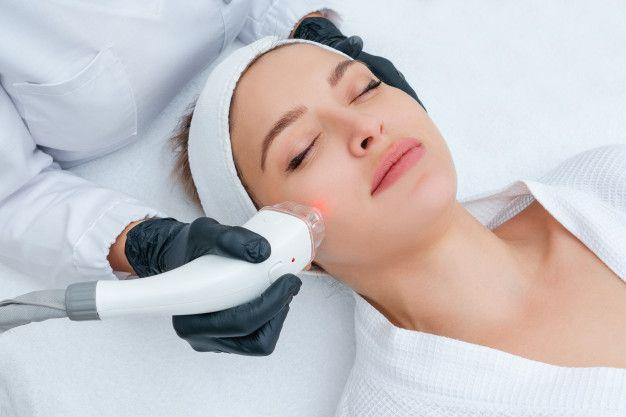
Safety questions rarely arrive before the first session—they tend to surface afterward, usually at 2 a.m., when the internet offers more horror stories than answers. A fair question deserves a fair response: what does the long-term safety evidence actually support, and where does uncertainty remain? This article examines the long-term safety profile of Laser Facial Treatments in Dubai, covering structural skin effects, pigment risks, device differences, and the maintenance behaviors that shape outcomes over years rather than weeks.
Laser Facial Treatments in Dubai: What "Long-Term" Really Means
Long-term safety refers to effects that persist or accumulate beyond the healing window—changes to skin structure, pigmentation patterns, barrier function, and the aging trajectory of treated tissue. These differ from short-term effects like redness or crusting, which are expected and typically resolve.
The evidence base for laser skin resurfacing spans decades of clinical use, but it is uneven across devices and skin types. Some technologies have extensive follow-up literature; others are newer, with shorter observational records. Responsible safety discussions acknowledge this distinction rather than treating "laser" as a single, uniformly studied category.
Structural Effects on Collagen and the Barrier
Repeated controlled injury stimulates collagen remodeling, and the dermis generally responds favorably when treatments are appropriately spaced and settings are conservative. Concerns arise with over-treatment: excessively frequent sessions or aggressive stacking can impair barrier recovery and, in some cases, produce prolonged sensitivity or textural change.
In our clinical experience, patients who follow recommended intervals and allow complete healing between sessions show stable skin structure over time. The pattern that causes problems is rarely a single well-performed session—it is abbreviated spacing, combined modalities without planning, or treatment pursued despite unresolved irritation.
Laser Facial Treatments in Dubai and Pigment Risk Over Time
Pigment is where long-term safety questions concentrate. Post-inflammatory hyperpigmentation is the most discussed risk, particularly in medium to darker skin tones. Key points:
-
PIH risk is highest immediately after treatment but can emerge weeks later
-
Incomplete resolution between sessions increases cumulative risk
-
UV exposure remains the strongest modifiable factor
-
Some patients develop delayed pigment changes without obvious provocation
This is why clinicians often build conservative first sessions, assess response, and only then escalate. Long-term pigment safety is less about the laser itself and more about cumulative exposure management and honest reporting of changes between visits.
Device-Specific Considerations
Different platforms carry different long-term profiles:
-
Non-ablative fractional: generally favorable long-term safety; effects build gradually with repeated sessions
-
Ablative resurfacing: more dramatic remodeling but greater short- and medium-term risk; long-term outcomes depend heavily on technique and aftercare
-
IPL and broadband light: well tolerated, but pigment risk persists in susceptible skin; long-term data supports use with appropriate screening
-
Pico and Q-switched systems: increasingly used for tone and pigment; long-term structural effects are generally modest
No device is universally safe for every skin type. The match between device, setting, and patient matters more than brand names.
Laser Facial Treatments in Dubai: Safety and Session Frequency
Frequency is an underappreciated safety variable. Patients sometimes assume more sessions mean faster results. In practice:
-
Collagen remodeling continues for months after a session
-
Treating before healing completes can compound inflammation
-
Overly dense schedules increase pigment and barrier risk
-
Spacing allows response assessment before escalation
A typical approach spaces sessions according to device type and individual healing, with review points built in. Patients should treat any clinic offering unlimited rapid-fire sessions with healthy skepticism.
Barrier Function and Skin Sensitivity
Long-term barrier integrity matters, especially for patients with rosacea tendencies or sensitive skin. Repeated aggressive treatment can, in some individuals, produce persistent sensitivity, flushing, or reactive skin. This is uncommon with conservative protocols but is a recognized consideration.
Warning signs worth reporting promptly:
-
Sensitivity lasting beyond expected recovery
-
New or worsening redness patterns
-
Texture changes that persist
-
Any blistering or unusual healing
Early reporting allows adjustment before issues compound.
Sun Protection as the Long-Term Safety Linchpin
If one behavior shapes long-term outcomes more than any other, it is photoprotection. UV exposure:
-
Undermines pigment results
-
Increases PIH risk
-
Accelerates the photoaging the treatment aims to address
-
Can reduce the durability of improvements
Daily broad-spectrum sunscreen, shade, and sensible sun habits are not optional add-ons—they are part of the treatment itself.
What Long-Term Safety Does Not Guarantee
Responsible framing requires acknowledging limits:
-
No treatment prevents natural aging
-
Results are not permanent
-
Individual responses vary
-
Newer devices have shorter follow-up records
-
Complications can occur even with correct technique
Laser Facial Treatments in Dubai should be understood as a controlled, repeatable intervention with a generally favorable safety profile when properly applied—not as a risk-free or one-time solution.
Choosing a Clinic That Takes Safety Seriously
Long-term safety is largely a function of clinical discipline: thorough screening, conservative initial settings, realistic consent, documented aftercare, and accessible follow-up. A clinic that declines to treat when conditions are unfavorable is demonstrating exactly the judgment you want.
Patients seeking structured assessment and individualized planning often consider Tajmeels Clinic in Dubai, where the emphasis is on matching treatment to skin type rather than applying a standard protocol to everyone.
Practical Safety Checklist for Patients
-
Disclose all medications and history
-
Confirm the device and settings rationale for your skin type
-
Ask about expected recovery and warning signs
-
Commit to sun protection between sessions
-
Attend review appointments rather than skipping ahead
-
Report any persistent change early
Final Perspective
For most well-selected patients, Laser Facial Treatments in Dubai carry a reasonable long-term safety profile supported by established clinical use—provided treatment is conservative, spaced appropriately, and paired with consistent photoprotection. The honest answer to "are they safe long-term?" is: generally yes, with conditions, caveats, and individual variation. A professional assessment remains the most reliable way to understand your personal risk profile before committing to a plan.
Ready to Begin Your Transformation?
Get in touch with us today to explore exclusive offers and find the right treatment for you!
WhatsApp: +971 56 203 8751
Phone: +971 4 373 9000
Social Media:
- Managerial Effectiveness!
- Future and Predictions
- Motivatinal / Inspiring
- Fitness and Wellness
- Medical & Health
- Manufacturing
- Education
- Real-Estate
- Food Industry
- Hospitality
- Online Games
- Sports
- Home Services
- Civil Engineering
- Safety and Protection
- Software Products & Services
- Fashion and Jewellery
- Artificial Intelligence
- Entrepreneurship
- Mentoring & Guidance
- Marketing
- Networking
- HR & Recruiting
- Literature
- Shopping
- Career Management & Advancement