

 SkillClick
Beyond Classroom Locks: How Modern Security Systems for Schools Are Transforming Campus Safety
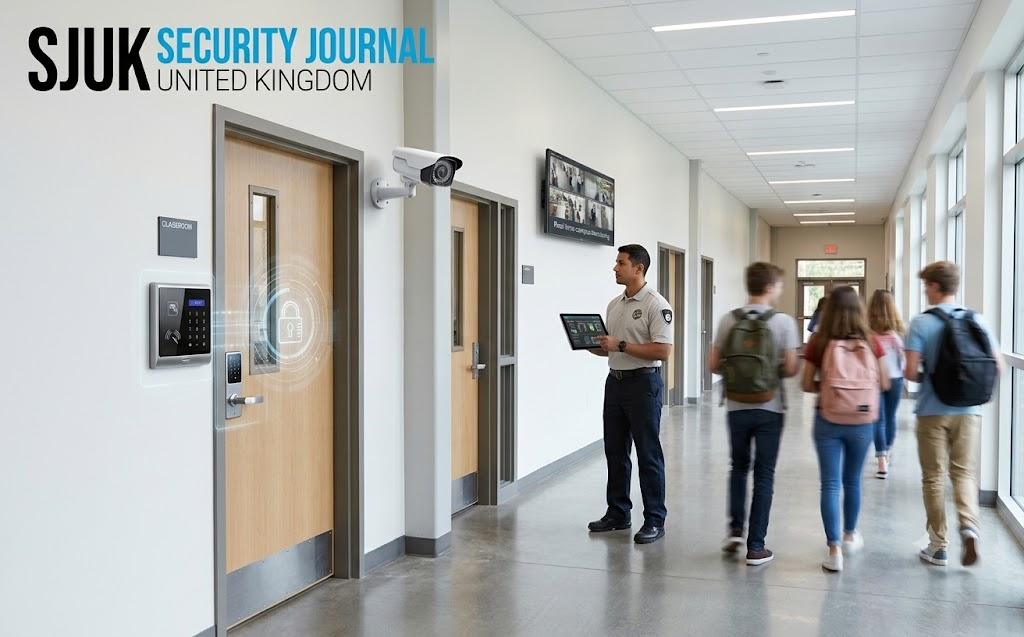
Educational institutions are responsible for creating environments where students can learn, teachers can work and visitors can move safely. However, changing security challenges have made traditional protective measures less sufficient on their own. Unauthorised access, theft, vandalism and emergency incidents require schools to adopt more comprehensive approaches to campus protection. Modern security systems for schools are helping educational facilities strengthen their safety strategies through advanced surveillance, electronic access management, alarm monitoring and emergency communication technologies. These solutions provide better visibility across school premises while supporting faster responses to potential security concerns.
As educational environments become more complex, combining physical security measures with intelligent technologies is becoming an important consideration for school administrators and facility managers.
Why Traditional School Security Measures Need an Upgrade
Conventional security practices often depend on physical locks, security personnel and manual visitor registers. Although these measures remain useful, they may not provide sufficient visibility across large educational campuses.
For example, a school with multiple entrances, playgrounds, laboratories and parking areas may find it difficult to monitor every location through manual supervision alone.
Modern school safety solutions address these challenges by introducing connected technologies that improve monitoring and access management. Surveillance cameras can provide visibility across common areas, while electronic access control can help restrict entry into sensitive locations.
The objective is not simply to install more equipment but to establish a coordinated security approach that supports prevention, detection and response.
The Role of Video Surveillance in Campus Protection
Video surveillance is an important component of modern educational security. Strategically positioned cameras can help monitor entrances, corridors, outdoor spaces, reception areas and other shared facilities.
Modern surveillance technology may include high-definition imaging, remote viewing and video analytics. These capabilities can help authorised personnel identify unusual activity and review incidents more efficiently.
A well-designed surveillance strategy should consider camera placement, lighting conditions, privacy requirements and data retention policies. Cameras should generally avoid areas where individuals have a reasonable expectation of privacy.
Video monitoring can also support investigations following incidents such as vandalism, unauthorised entry or damage to school property.
Strengthening Entry Points Through Access Control
Managing who enters and exits a school is essential for maintaining a secure learning environment. Uncontrolled access can expose students and staff to unnecessary risks.
Electronic access control systems provide schools with opportunities to manage entry through keycards, PIN codes, credentials and other authorised identification methods.
These systems can be particularly useful for restricted areas such as administrative offices, laboratories, equipment storage rooms and staff-only facilities.
Visitor management technology can further improve entry procedures by recording visitor information, documenting arrival times and supporting staff authorisation processes.
An effective access management strategy should also include procedures for lost credentials, temporary access permissions and emergency evacuation.
Emergency Communication and Faster Response
Security equipment is most effective when it supports a clear response strategy. During emergencies, delays in communication can create confusion and make it difficult for staff to coordinate protective actions.
Emergency notification systems can distribute alerts through public address equipment, mobile notifications and designated communication channels.
Depending on the installation, these systems may help communicate evacuation instructions, lockdown procedures, severe weather warnings or other urgent information.
Regular testing is important to ensure that communication equipment operates correctly and that staff understand the appropriate procedures.
Integrating Different Security Technologies
A connected security environment can provide a more complete picture of activity across school premises. Integrating surveillance cameras, access control, intrusion detection and alarm monitoring can help authorised personnel coordinate information.
For example, an access control alert could be reviewed alongside relevant camera footage to help determine whether an entry attempt requires further attention.
This approach is one reason security systems for schools are increasingly being considered as part of broader campus safety planning rather than individual technology purchases.
However, integration should be carefully designed. Systems must be compatible, properly configured and supported by clear responsibilities for monitoring and maintenance.
Protecting Student Privacy and Personal Information
Security improvements must balance protection with individual privacy. Surveillance footage, visitor records and access credentials can contain sensitive information that requires appropriate handling.
Schools should establish clear policies explaining where cameras operate, who can access recordings and how long information is retained.
Access to security records should be restricted to authorised personnel. Cybersecurity measures, including strong authentication, regular software updates and secure networks, are also important.
The discussion surrounding educational protection, including insights relevant to Security Journal UK, increasingly recognises that effective security must consider both physical safety and responsible information management.
Building a Long-Term School Safety Strategy
Before introducing new equipment, administrators should conduct a security risk assessment. This process can identify vulnerable entry points, poorly monitored locations and existing procedural weaknesses.
The assessment should consider the size of the campus, number of buildings, visitor activity, student movement and emergency response requirements.
Staff training is equally important. Teachers, reception personnel, security teams and administrators should understand their responsibilities and know how to report suspicious activity.
Regular inspections, system testing and policy reviews help ensure that protective arrangements remain effective as school requirements change.
Conclusion
Creating a safer educational environment requires more than installing locks or surveillance cameras. Schools need coordinated strategies that combine access management, video monitoring, emergency communication and staff preparedness.
Modern security systems for schools can improve campus visibility, strengthen entry procedures and support more organised incident responses when implemented appropriately.
By investing in suitable technology, reviewing security risks and maintaining clear operational procedures, educational institutions can create environments that support student wellbeing and uninterrupted learning.
Frequently Asked Questions
1. What are security systems for schools?
They are combinations of technologies and procedures designed to protect students, staff, visitors and school property through surveillance, access control, alarms and emergency communication.
2. Why is video surveillance important in schools?
Video surveillance helps authorised personnel monitor common areas, identify unusual activity and review security incidents.
3. How does access control improve school safety?
Access control restricts entry to authorised individuals and helps schools manage access to sensitive areas.
4. Should schools integrate their security technologies?
Integration can improve coordination between surveillance, access control and alarm systems, supporting more informed security decisions.
5. How often should school security systems be reviewed?
Schools should conduct regular inspections and test equipment according to manufacturer guidance, applicable regulations and their internal safety policies.
- Managerial Effectiveness!
- Future and Predictions
- Motivatinal / Inspiring
- Fitness and Wellness
- Medical & Health
- Manufacturing
- Education
- Real-Estate
- Food Industry
- Hospitality
- Online Games
- Sports
- Home Services
- Civil Engineering
- Safety and Protection
- Software Products & Services
- Fashion and Jewellery
- Artificial Intelligence
- Entrepreneurship
- Mentoring & Guidance
- Marketing
- Networking
- HR & Recruiting
- Literature
- Shopping
- Career Management & Advancement