

 SkillClick
Cocoa Price Trend Q3 2026: China vs India Report
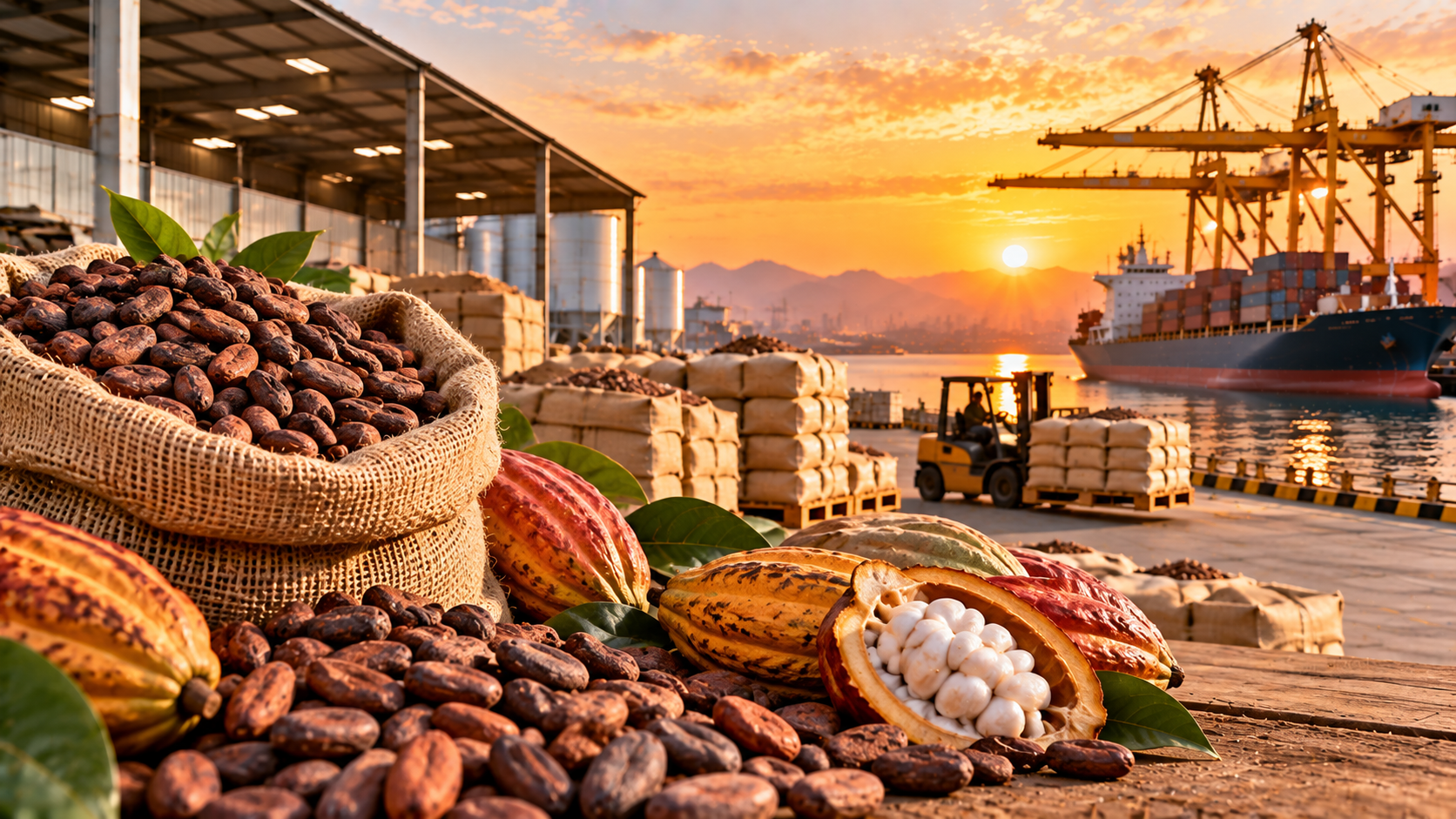
Look at the cocoa numbers from August 2026 and one thing jumps out immediately: China and India aren’t even playing in the same price range. China’s cocoa is quoted at USD 5,176.32 per metric ton on an FOB basis. India’s sits at USD 1,723.17 per metric ton, also FOB. That’s not a small gap. That’s China pricing roughly three times higher than India, for the same product, on the same incoterm.
So what’s going on? This kind of spread usually points to something structural, not a blip. Quality grade, sourcing origin, processing level, local demand pressure. All of it plays a role. For anyone buying cocoa, or watching the market for investment reasons, this cocoa price trend is worth unpacking properly rather than skimming past.
Current Cocoa Prices: China vs India
| Product | Region | Incoterm Basis | Price | Last Updated |
|---|---|---|---|---|
| Cocoa | China | FOB | USD 5,176.32/MT | August 2026 |
| Cocoa | India | FOB | USD 1,723.17/MT | August 2026 |
Both quotes are FOB, meaning the price covers the product loaded onto the vessel at the port of origin, before freight and insurance get added. That makes this comparison cleaner than most. No incoterm mismatch to explain away here.
The gap between the two is USD 3,453.15 per metric ton. Numbers that far apart rarely come down to one factor alone.
- China’s figure likely reflects a different grade or processed form of cocoa than India’s raw commodity pricing.
- Origin matters too. Cocoa sourced or re-exported through China often carries added processing, branding, or quality premiums.
- India’s lower FOB price fits more closely with raw, unprocessed cocoa bean pricing typical of origin markets.
Worth repeating: this isn’t a currency quirk or a freight issue. Both figures are FOB. The spread is coming from somewhere else entirely.
What’s Actually Driving This Price Gap?
Why would the same commodity price so differently between two countries? A few reasons tend to explain most of it.
Processing level. Raw cocoa beans and processed cocoa products (liquor, butter, powder) don’t trade anywhere close to the same price. If China’s figure reflects a value-added product and India’s reflects raw beans, that alone could account for most of the gap.
Supply chain position. China isn’t traditionally a cocoa-growing country. Cocoa reaching Chinese buyers has often already passed through multiple hands, picking up cost at each stage. India has some domestic cocoa cultivation, particularly in the south, which can keep origin pricing lower.
Quality grading. Premium grade cocoa, used in high-end chocolate manufacturing, commands a steep markup over standard commercial grade. Buyers chasing flavor profile and bean quality pay for it.
Market positioning. China’s chocolate and confectionery market has grown fast over the past decade. Higher willingness to pay for quality inputs shows up directly in sourcing prices.
Quick Q&A: Common Questions on This Gap
Does this mean cocoa is “better” in China? Not necessarily better. Different. The price difference likely reflects processing and grade, not raw bean quality alone.
Is India’s price a bargain then? For raw material buyers, maybe. But raw beans require processing capacity most downstream buyers don’t have in-house.
Will this gap close over time? Hard to say without more origin-level data. Structural factors like processing capacity don’t shift fast.
What This Means for Buyers and Investors
If you’re sourcing cocoa, this spread changes your strategy depending on what you actually need.
Buyers after raw material for in-house processing should look closely at India’s pricing. Lower entry cost, assuming the logistics and quality verification checks out on their end.
Buyers needing finished or semi-processed cocoa products probably land closer to China’s price point regardless of where they source from. Processing costs money, somewhere in the chain.
Investors eyeing cocoa-linked businesses should treat this gap as a signal about where margin sits. Raw material producers in origin markets like India capture less value per ton than processors downstream. That’s not new information to anyone in commodities, but the size of this particular gap makes the point sharply.
Advisers working with chocolate, confectionery, or food manufacturing clients: factor both figures into cost modeling separately. Blending them into one average cocoa price would badly misrepresent actual sourcing costs on either end.
Looking Ahead: Q3 2026 Outlook
Where does this go next? Genuinely unclear without more data points across the quarter.
What seems reasonable to expect: the gap probably persists, given it looks structural rather than seasonal. Processing capacity doesn’t build overnight, and China’s cocoa demand trajectory hasn’t shown signs of slowing.
Buyers locking in August figures for Q3 planning should double-check whether newer pricing has come through before finalizing contracts. Commodity markets, cocoa especially, can move on weather and harvest news with little warning.
Conclusion
The cocoa price trend heading into Q3 2026 shows a sharp divide: China at USD 5,176.32/MT FOB, India at USD 1,723.17/MT FOB, both as of August 2026. This isn’t freight or currency noise. It points to real differences in processing level, supply chain position, and grade between the two markets. Anyone sourcing cocoa, or advising someone who does, needs to treat these as two separate pricing realities, not one blended average.
FAQ Section
What is the current cocoa price trend in China and India?
China’s cocoa is priced at USD 5,176.32/MT FOB as of August 2026, while India’s sits at USD 1,723.17/MT FOB. Both figures use the same incoterm, so the large gap points to differences in processing level and supply chain position rather than freight or insurance costs.
Why is cocoa so much cheaper in India than China?
India’s price likely reflects raw, unprocessed cocoa beans closer to origin, while China’s figure may include processing, grading, or re-export costs. India also has some domestic cultivation that keeps origin pricing comparatively low.
What factors influence cocoa prices the most?
Processing level, bean grade, supply chain length, and local demand all play a role. Premium grade cocoa used in high-end chocolate commands a steep markup over standard commercial grade, and value-added products price far above raw beans.
How often does cocoa pricing change?
It can shift fairly often, especially around harvest seasons and weather events in major growing regions. Monthly figures like the August 2026 numbers here offer a useful snapshot, but buyers should verify current pricing before locking in contracts.
What’s the cocoa market outlook for Q3 2026?
The China-India gap looks structural and likely to hold through Q3, given it stems from processing and supply chain differences rather than seasonal swings. Weather and harvest conditions in major cocoa-producing regions remain the biggest wildcard for near-term price movement.
- Managerial Effectiveness!
- Future and Predictions
- Motivatinal / Inspiring
- Fitness and Wellness
- Medical & Health
- Manufacturing
- Education
- Real-Estate
- Food Industry
- Hospitality
- Online Games
- Sports
- Home Services
- Civil Engineering
- Safety and Protection
- Software Products & Services
- Fashion and Jewellery
- Artificial Intelligence
- Entrepreneurship
- Mentoring & Guidance
- Marketing
- Networking
- HR & Recruiting
- Literature
- Shopping
- Career Management & Advancement