

 SkillClick
Pokémon TCG Pocket by U4GM: What to Expect From Dual Fusion
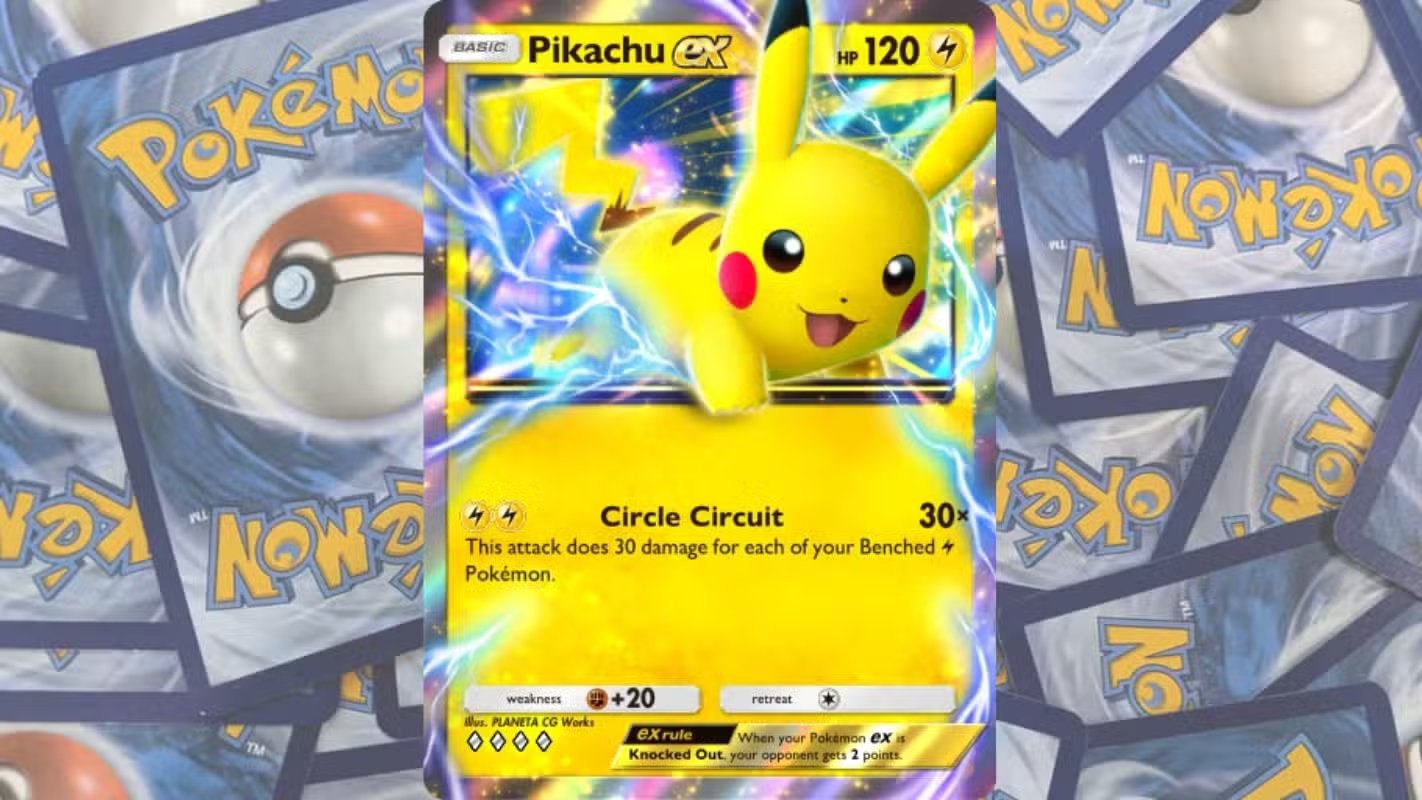
Pokemon TCG Pocket offers plenty of ways to expand a collection, but collecting more cards does not automatically lead to better battle results. The real advantage comes from knowing how to turn event rewards, new releases, and daily opportunities into a consistent strategy. For players planning their next steps, Pokemon TCG Pocket Top Up may be one part of their resource planning, while careful deck construction and event management remain essential for making meaningful progress. With the second anniversary approaching and Dual Fusion introducing new card combinations, October 2026 provides an opportunity to refine existing decks while preparing for a broader range of strategies.
The Second Anniversary Creates Fresh Collection Objectives
The upcoming anniversary period brings several announced activities, including a booster-pack ticket reward, returning promo-card events, collection missions, and opportunities to explore the new expansion.
The most efficient approach is to separate rewards into three categories: cards that improve your decks, cards that help complete a collection, and cosmetic items that personalize your profile or card presentation.
| Reward category | Main benefit | Best approach |
|---|---|---|
| Battle-ready cards | Improve deck consistency or matchup coverage | Check whether the card supports your main strategy |
| Missing collection cards | Fill gaps in a set or collection objective | Compare the reward with the cards you still need |
| Promo cards | Add event-related or returning cards to your collection | Review mission requirements before the event ends |
| Accessories | Customize your profile and card presentation | Prioritize them after essential collection tasks |
| Pack-opening resources | Provide more opportunities to obtain cards | Use them with a clear collection objective in mind |
This distinction helps prevent a familiar problem: spending time on every available activity without making measurable progress toward a specific goal.
The announced Second Anniversary Celebration runs from October 29 through December 14, 2026. Its reward includes a ticket exchangeable for a booster pack guaranteed to contain a two-star card. Players should review the exchange conditions in-game and consider how the reward fits their current collection priorities.
A guaranteed rarity level does not necessarily mean the resulting card will improve a competitive deck. Its practical value depends on the card obtained, the supporting cards already available, and the strategy you want to develop.
Organize Event Missions Around Their Deadlines
Limited-time events reward players who pay attention to timing and requirements rather than simply playing as many matches as possible.
The October Wonder Pick event featuring Charmander and Drampa is scheduled to conclude on October 28. The Pika Pika! Pikachu Missions began on October 20 and are scheduled to continue through October 20, 2027, offering a much longer window for collection progress.
These activities call for different approaches. Short events should receive attention before their deadlines, while long-running missions can be handled gradually.
A practical routine can keep both manageable.
At the beginning of the week, review event requirements. Check the remaining missions, the number of actions needed, and the rewards still available. This prevents a missed task from becoming impossible to finish after an event closes.
During regular play, prioritize overlapping objectives. When possible, choose activities that contribute to multiple missions. This allows you to make progress without turning every session into a checklist.
Before a deadline, finish the most time-sensitive tasks. Exclusive promo cards and limited-time rewards may deserve priority over objectives that will remain available for months.
At the end of the week, review your collection. Identify which rewards improved your decks and which gaps remain. This gives the next session a clear direction.
The goal is not to spend every available minute completing missions. It is to make each session contribute to a larger collection or battle objective.
Community Decks Provide a Practical Way to Study Strategies
The announced Community Decks feature is designed to let players browse decks shared by other players and recreate them using cards they own. This offers a practical way to study deck construction without discovering every successful combination independently.
A shared deck should be treated as a starting point rather than a finished answer. Before copying a list, examine its main attacker, supporting Pokémon, and Trainer cards. Then compare those requirements with your own collection.
| Evaluation point | What to examine |
|---|---|
| Main win condition | How the deck secures knockouts or controls the pace of battle |
| Opening sequence | Whether the deck can establish a useful board consistently |
| Supporting cards | How the list helps its main attacker prepare or survive |
| Backup plan | What happens when the primary strategy fails |
| Adaptable slots | Which cards can be replaced without damaging the overall strategy |
For example, a popular deck might depend on an evolution line that you have not collected. Copying the remaining cards without that core could leave the deck less consistent than a simpler strategy built around Pokémon already available to you.
The announced rental-deck changes also deserve attention. Beginning with the new series, rental decks are planned to become available when new booster packs launch, with unlimited uses in both solo and versus battles. This should make experimentation more accessible by allowing players to try unfamiliar strategies before deciding which cards deserve a place in their personal decks.
When testing a rental deck, focus on its rhythm rather than just its strongest attack. Observe how it handles the opening turns, how quickly it develops pressure, and whether it can recover when the opponent disrupts its plan. These details are more useful than judging a strategy by a single victory.
Diagnose Losing Streaks Before Rebuilding a Deck
New releases can make established strategies appear less exciting, but a deck does not become obsolete simply because another expansion arrives. The better response is to identify which matchups have changed and adjust only where necessary.
Most deck problems can be divided into three groups.
Setup problems occur when the deck repeatedly fails to establish its main attacker. An inconsistent opening, an awkward evolution sequence, or too many dependent cards may be responsible.
Tempo problems occur when the deck establishes a board but loses control before applying enough pressure. The main attacker may take too long to prepare, or supporting cards may contribute too little during the early turns.
Matchup problems occur when the deck performs well against some opponents but consistently struggles against particular strategies. A targeted card adjustment may help more than rebuilding the entire list.
Keep brief notes after several matches. Record the opposing strategy, the point at which the battle turned, and whether a different card choice could realistically have changed the result. Over time, these observations provide a clearer picture of deck performance than memory alone.
Dual Fusion adds another reason to review these categories. Mega Mewtwo X ex combines Psychic and Fighting types, while Mega Greninja ex combines Water and Darkness types. Their arrival may encourage new combinations, but their practical value will depend on the available supporting cards and the matchups players encounter.
Spend Collection Resources With a Clear Objective
Opening packs is one of the most enjoyable parts of a collection-based game, but random rewards can make progress difficult to predict. A simple target system helps maintain direction.
Choose one primary objective for the current period: complete a particular set, obtain cards needed for a deck, or collect a specific type of illustration. Evaluate each reward opportunity according to that objective.
If your main deck is already functional, obtaining a missing supporting card may be more useful than pursuing another high-rarity attacker. If collection completion is the priority, a limited-time promo card may deserve more attention than a small improvement to a deck you rarely use.
It is also important to distinguish guaranteed rewards from uncertain outcomes. A guaranteed card reward has a different planning value from opening a random pack in the hope of finding one specific card. Neither option is inherently better, but understanding the difference makes resource decisions more deliberate.
Avoid changing your entire collection plan whenever a new card appears. Instead, ask whether it fills a genuine gap, offers a useful alternative, or simply adds another option that may never see regular play.
Turn New Releases Into Lasting Progress
Pokemon TCG Pocket's anniversary period and the arrival of Dual Fusion create several overlapping objectives, from collecting dual-type Pokémon to completing promo missions and testing shared deck lists. Players who identify their priorities, monitor event deadlines, and evaluate cards according to their actual roles will be better positioned to make meaningful progress.
A growing collection provides more options, but thoughtful deck construction turns those options into useful decisions during battle. Whether the next objective is improving a competitive list, completing a themed collection, or experimenting with a new combination, consistent planning makes progress easier to measure. When comparing different collection starting points, Pokemon TCG Pocket Accounts can be considered separately from the strategic decisions that ultimately determine how effectively those cards are used.
- Managerial Effectiveness!
- Future and Predictions
- Motivatinal / Inspiring
- Fitness and Wellness
- Medical & Health
- Manufacturing
- Education
- Real-Estate
- Food Industry
- Hospitality
- Online Games
- Sports
- Home Services
- Civil Engineering
- Safety and Protection
- Software Products & Services
- Fashion and Jewellery
- Artificial Intelligence
- Entrepreneurship
- Mentoring & Guidance
- Marketing
- Networking
- HR & Recruiting
- Literature
- Shopping
- Career Management & Advancement