

 SkillClick
The Timeless Craft of Traditional Western Blade Designs
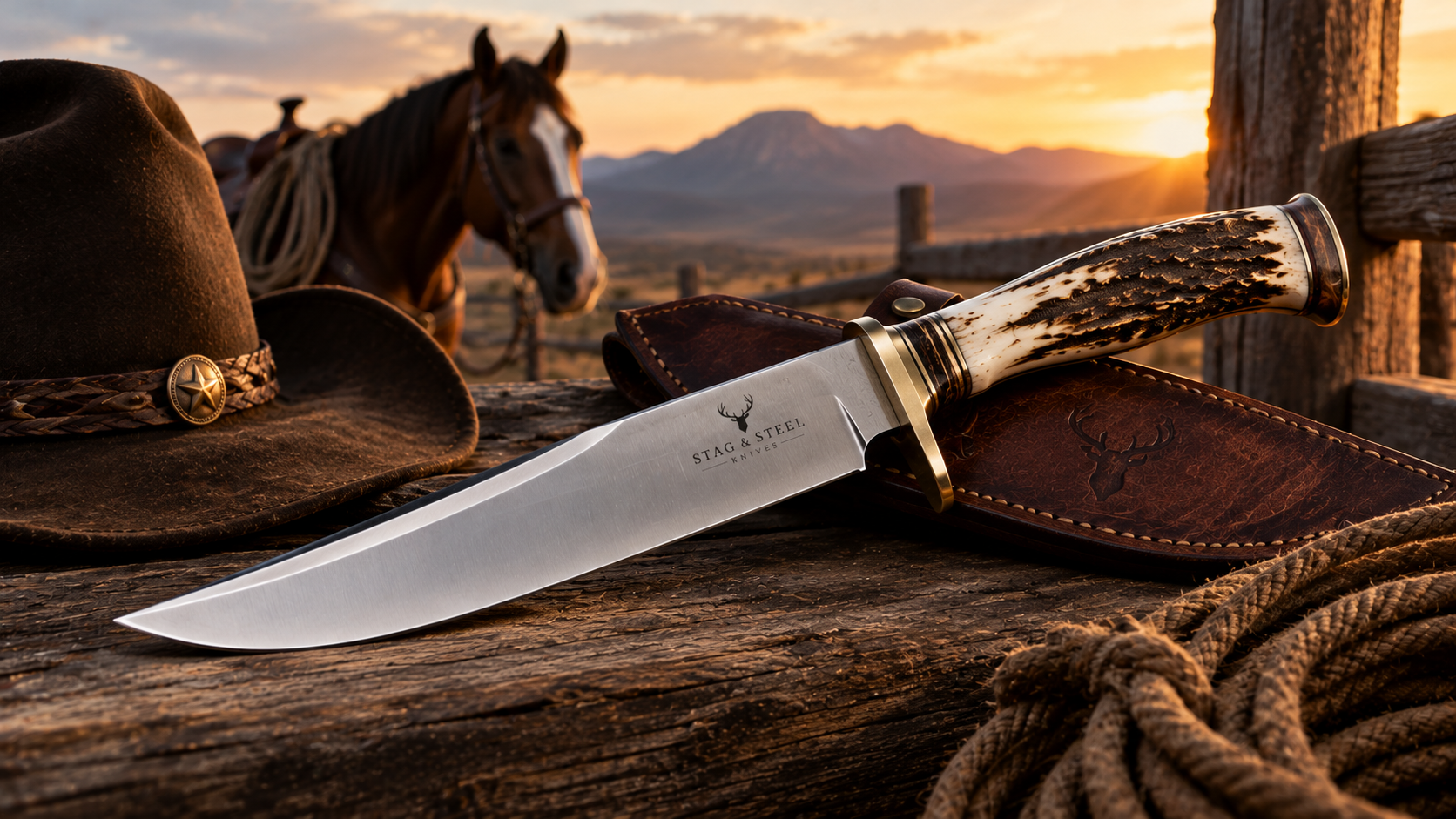
Traditional Western blade designs occupy a distinctive place in the history of craftsmanship. Their visual character reflects a combination of regional traditions, material choices, practical needs, and artistic influences that developed over many generations. Today, these designs continue to attract collectors who appreciate their connection to Western heritage and the skills involved in creating carefully finished objects.
The appeal of traditional designs extends beyond their historical associations. Shape, texture, proportion, and decorative details all contribute to the identity of a finished piece. By understanding these features, collectors can better appreciate the relationship between traditional metalworking and modern design.
The Historical Influences Behind Western Designs
The development of Western blade styles was influenced by the diverse communities and working traditions associated with the American frontier. Craftspeople drew inspiration from existing metalworking practices, regional preferences, available materials, and the requirements of everyday life.
These influences produced a variety of forms rather than one universal design. Different makers developed their own approaches to blade shape, handle materials, and surface decoration. Regional differences also affected the appearance of finished objects, creating a broad range of styles within the wider Western tradition.
Over time, some features became strongly associated with Western-inspired design. Distinctive handle shapes, decorative metalwork, natural materials, and restrained or elaborate finishes helped establish recognizable visual identities.
Modern interpretations may preserve these traditional characteristics while adapting proportions and materials to contemporary tastes. As a result, the style remains relevant to collectors interested in both historical objects and newer examples influenced by traditional craftsmanship.
The Role of Materials in Traditional Craftsmanship
Materials have a major influence on the appearance and character of a finished object. Steel, wood, bone, horn, and other materials each offer different qualities that makers must consider when developing a design.
Steel can provide a range of surface finishes, from bright and reflective to subdued and textured. Natural handle materials introduce their own patterns and colors, which may vary from one piece to another. When these materials are combined thoughtfully, they create visual contrast and give the design a distinctive character.
Wood, for example, can display fine grain or pronounced patterns that become a central feature of the handle. Other natural materials may have irregular textures that emphasize a traditional or rustic appearance. Metal fittings can then provide a contrasting element that brings the overall design together.
Material selection should suit the intended design and construction. Collectors who understand these differences can look beyond appearance alone and consider how the materials contribute to the object's overall quality.
Why Proportion Creates a Lasting Impression
Proportion is one of the most important principles in traditional design. The relationship between the blade, handle, and decorative elements determines whether the finished object appears balanced and coherent.
Some Western-inspired designs use bold outlines and substantial forms. Others emphasize slimmer profiles and restrained details. Both approaches can be successful when the components complement one another.
Decorative elements also influence visual balance. Elaborate engraving may create a strong focal point, while a simple finish allows the shape and materials to remain prominent. The most effective designs use these elements in a way that supports the overall form.
This attention to proportion helps explain why certain traditional styles remain appealing across generations. Their visual strength comes from the relationship between the components rather than dependence on temporary fashion.
Natural Handles and Traditional Character
Handle design often plays a central role in the identity of traditional Western blades. Natural materials can provide texture, color variation, and patterns that distinguish individual pieces.
Collectors interested in Handmade Cowboy Knives may appreciate how handle materials interact with the metalwork to create a recognizable Western aesthetic. Some designs emphasize natural textures and understated finishes, while others combine contrasting materials and decorative details for a more elaborate appearance.
The appeal lies partly in the individuality of natural materials. Even pieces made from similar sources may have different grain patterns, shades, or surface characteristics. These differences can make each object visually distinctive.
However, unusual texture does not automatically indicate superior craftsmanship or historical significance. The quality of the material, the standard of finishing, and reliable information about the maker are also important. A balanced assessment considers the entire piece rather than focusing on one attractive feature.
The Artistic Side of Metal Finishing
Metal finishing can change how a traditional design is perceived. A polished surface may emphasize clean lines, while a matte finish can create a more understated appearance. Engraving and other decorative treatments can add detail when they complement the form.
Some traditional designs feature floral motifs, geometric patterns, or other ornamentation influenced by established craft traditions. These details can give an object a more elaborate character, especially when paired with natural handle materials.
Finishing requires attention to consistency. Surfaces should appear suited to the design, and decorative elements should work together rather than compete for attention. Small differences in surface treatment can have a noticeable effect on the overall impression.
Collectors may also encounter modern objects designed to resemble older pieces. An aged-looking finish can suggest historical character, but it does not establish the object's actual age. Maker information, documentation, and construction details provide stronger evidence when evaluating an item's background.
Craftsmanship Across Generations
Traditional craftsmanship depends on accumulated knowledge about materials, design, and finishing. Some skills are learned through formal instruction, while others develop through observation, practice, and experience.
These skills are important because materials do not always behave identically. Natural variations can affect the appearance of handles, and different metals may respond differently to manufacturing and finishing processes. A knowledgeable maker understands these differences and considers them when planning a design.
Contemporary tools can improve consistency and support new creative possibilities, but they do not remove the need for sound judgment. The craftsperson must still make decisions about proportions, materials, and the relationship between decorative features.
For collectors, understanding the work behind a finished object provides a richer appreciation of its design. It also helps distinguish evidence of careful craftsmanship from claims based mainly on marketing language.
Evaluating Traditional Collectibles
Collectors often examine several factors when comparing traditional Western designs. These include construction quality, material descriptions, finishing, maker information, condition, and provenance.
Provenance is the documented history of an object. Records relating to its maker, origin, or previous ownership can provide useful context, particularly when an item is described as historically significant.
Condition is equally important. Wear, discoloration, repairs, and replacement components may affect an object's originality and appearance. These factors should be assessed in context rather than treated as automatic signs of poor quality.
Collectors should also be cautious about unsupported claims concerning age or rarity. A traditional appearance does not necessarily mean that an object comes from an earlier period. Comparing reliable examples and consulting knowledgeable specialists can help establish a more accurate understanding.
Price should not be the only measure of value. An object may be interesting because of its documented history, distinctive design, or workmanship, even if it is not especially elaborate.
Preserving Traditional Design Heritage
Preservation helps maintain the physical condition and historical information associated with collectible objects. Different materials require different care, so cleaning and storage methods should be appropriate to the particular piece.
Natural materials may be affected by unsuitable humidity, direct sunlight, or harsh cleaning products. Metal surfaces can also change when exposed to unfavorable storage conditions. For older or historically important objects, professional conservation advice may help prevent unintended damage.
Documentation is another useful part of preservation. Photographs, purchase records, maker details, and notes about condition can help future collectors understand an object's background. Such information becomes especially valuable when pieces are passed between owners.
Preserving an object also means respecting its original character. Unnecessary refinishing may remove details that contribute to its historical or artistic interest. Careful maintenance can help protect those features for future appreciation.
Why Traditional Western Designs Endure
Traditional Western blade designs continue to attract interest because they combine recognizable visual features with a connection to established craft traditions. Materials, proportions, and finishing choices all contribute to their identity.
Modern collectors can appreciate these objects from several perspectives. Some focus on historical background, others on artistic details, and many value the relationship between material selection and workmanship.
Ultimately, the lasting appeal of traditional Western design comes from the way its individual elements work together. A balanced form, suitable materials, and thoughtful finishing can create an object that remains visually compelling long after its original context has changed. Understanding these qualities helps keep the craft traditions behind these designs relevant to new generations of collectors.
- Managerial Effectiveness!
- Future and Predictions
- Motivatinal / Inspiring
- Fitness and Wellness
- Medical & Health
- Manufacturing
- Educação
- Real-Estate
- Food Industry
- Hospitality
- Online Games
- Sports
- Home Services
- Civil Engineering
- Safety and Protection
- Software Products & Services
- Fashion and Jewellery
- Artificial Intelligence
- Entrepreneurship
- Mentoring & Guidance
- Marketing
- Networking
- HR & Recruiting
- Literature
- Shopping
- Career Management & Advancement