

 SkillClick
What Are the Top Residential Estate Cleanout Dumpsters in Pittsburgh, PA?
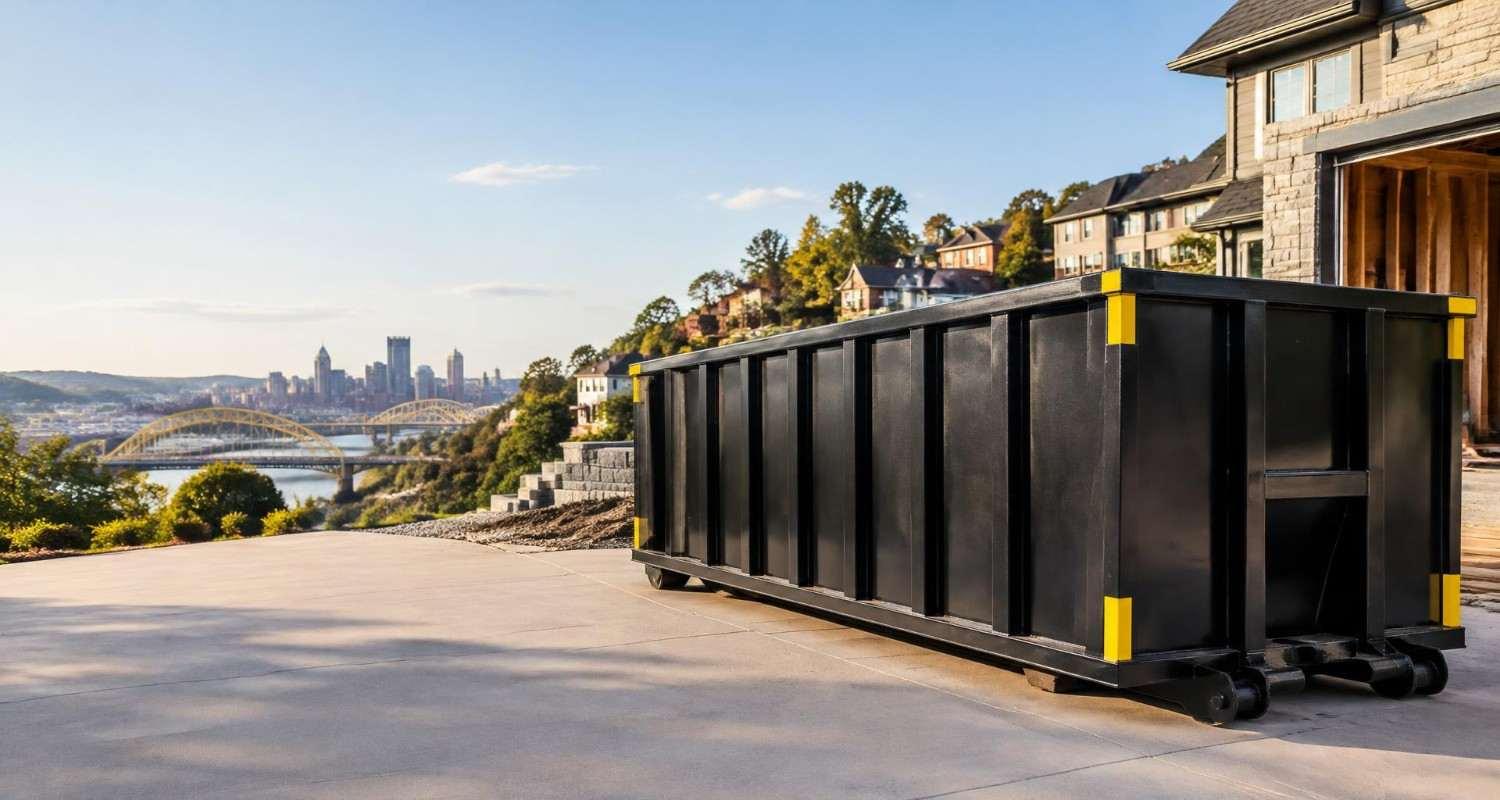
Choosing the Top Residential Estate Cleanout Dumpsters in Pittsburgh, PA can make clearing a home easier, safer, and more organized. Estate cleanouts often involve removing furniture, clothing, appliances, household goods, and years of accumulated belongings. These projects may follow a move, the sale of a property, a family inheritance, or the passing of a loved one. Without a clear disposal plan, the work can become stressful and time-consuming. A residential dumpster provides a central place for acceptable waste, helping families and property managers keep the process moving. Understanding dumpster sizes, rental periods, disposal rules, and preparation steps can help Pittsburgh homeowners select a suitable option for their particular cleanout.
1. What Should You Know About Residential Estate Cleanout Dumpsters in Pittsburgh, PA?
An estate cleanout involves sorting and removing items from a residential property. Depending on the home's condition and the amount of clutter, the project may take a few hours, several days, or longer. A residential dumpster can simplify the process by providing enough space for unwanted items without requiring repeated trips to a disposal facility.
Before renting a dumpster, identify the main purpose of the cleanout. A small apartment with a few unwanted furnishings may need less capacity than a large house filled with old furniture, damaged belongings, and basement storage. Choosing the Top Residential Estate Cleanout Dumpsters in Pittsburgh, PA can make clearing a home easier, safer, and more organized.
Common estate cleanout materials include old clothing, broken household items, unwanted furniture, rugs, cardboard boxes, and general nonhazardous household debris. However, not every item can go into a standard dumpster. Paint, chemicals, batteries, electronics, tires, and certain appliances may require separate handling.
Families should also separate belongings that have financial, legal, or sentimental value. Important documents, photographs, jewelry, family keepsakes, and items intended for donation should be removed before disposal begins.
2. How Do You Choose the Right Dumpster Size for an Estate Cleanout?
Dumpster size is one of the most important decisions when planning a residential cleanout. A container that is too small may require an additional rental or pickup, while an unnecessarily large container can increase the project cost.
The correct size depends on the home's square footage, the number of rooms, the amount of furniture, and the quantity of accumulated belongings. Ask the rental provider to help estimate the volume of waste before scheduling delivery.
Common Dumpster Sizes
A 10-yard dumpster may work for a small apartment cleanout, a limited garage cleanup, or a property with relatively few bulky items. A 15-yard or 20-yard container may be more suitable for a larger apartment or a modest house with furniture and general household debris.
A 30-yard dumpster can be useful for extensive estate cleanouts involving multiple rooms, large furniture pieces, and significant amounts of unwanted belongings. Larger containers may be appropriate for substantial projects, depending on site access and the provider's available equipment.
These are general guidelines rather than fixed rules. Furniture dimensions, loading methods, and local disposal restrictions can change the amount a container will hold.
What Affects Dumpster Capacity?
Several factors influence how much waste fits inside a dumpster. Sofas, mattresses, cabinets, and tables occupy considerable space unless they can be safely disassembled. Loose household items may also fill a container faster than expected when they are not packed efficiently.
For example, clearing a two-bedroom home with a few pieces of furniture may require a smaller container than emptying a three-bedroom property with a full basement and attic. Describing the contents accurately helps a rental provider recommend a practical size.
3. What Factors Affect Residential Dumpster Rental Costs in Pittsburgh?
The cost of a dumpster rental depends on the project, the container selected, and the terms offered by the provider. Requesting a written estimate before delivery can help families understand the expected expense and avoid unnecessary surprises.
The main factors include container size, rental duration, disposal weight, waste type, delivery location, and pickup requirements. Some rentals include a specific weight allowance, while others may have additional charges for exceeding the included limit.
Important Costs to Review
Dumpster size: Larger containers generally cost more because they hold more material and may require different equipment.
Rental period: A cleanout that takes a week may have different pricing from one completed in two days. Check the included rental period and any extension fees.
Weight allowance: Furniture, books, construction debris, and other dense materials can add substantial weight. Ask about overage charges and any applicable limits.
Restricted materials: Some items require separate collection or specialized disposal. Confirm these rules before loading anything questionable.
Delivery and pickup: Verify whether transportation is included in the quoted price and whether difficult access or special placement could affect the total.
A useful approach is to compare the complete rental terms instead of choosing a provider based only on the lowest advertised price. A clear quote should explain the container size, included rental period, weight allowance, accepted materials, and possible extra fees.
4. How Can You Prepare a Home Before the Dumpster Arrives?
Good preparation can reduce loading time and help protect belongings that should not be discarded. Estate cleanouts often involve several people working in different rooms, so assigning responsibilities before the project begins can prevent confusion.
Start by walking through the property and creating a list of rooms that need attention. Identify areas that contain heavy furniture, fragile objects, personal documents, or potentially hazardous materials.
Use a Four-Category Sorting System
Divide belongings into four categories: keep, donate, sell, and discard. This straightforward method helps everyone involved make decisions without repeatedly handling the same items.
Items in good condition may be suitable for donation, depending on the receiving organization's requirements. Furniture, clothing, kitchenware, and household supplies can sometimes be reused rather than thrown away.
Set aside personal records, tax documents, insurance papers, property deeds, photographs, and other sensitive materials for review. Do not assume that an old box of paperwork is worthless simply because it has been stored for years.
Once sorting is complete, gather accepted waste in a designated area. Keep pathways clear so workers can move bulky objects safely between rooms and the dumpster.
Prepare the Placement Area
Choose a level, stable location with enough space for delivery and pickup. A driveway may be suitable, but access, overhead obstructions, pavement condition, and the delivery truck's turning space must be considered.
If the dumpster will be placed on a public street or another regulated area, check whether a municipal permit is required. Pittsburgh-area requirements can vary by municipality and placement location, so confirm the applicable rules before delivery.
5. Which Items Can Go Into an Estate Cleanout Dumpster?
Most estate cleanouts produce a mixture of ordinary household waste and reusable items. Knowing what belongs in the container helps prevent rejected loads, additional fees, and disposal problems.
Accepted materials depend on the rental provider and the facility handling the waste. Always confirm the current rules before loading the dumpster.
| Material | Typical handling |
|---|---|
| Broken furniture | Often accepted in standard dumpsters |
| Clothing and household clutter | Generally accepted if permitted by the provider |
| Cardboard and packaging | Often accepted; recycling may be available |
| Mattresses and upholstered furniture | Confirm acceptance and possible additional fees |
| Refrigerators and other appliances | Ask about special handling requirements |
| Televisions and computers | May require electronics recycling |
| Paint, solvents, and household chemicals | Usually require separate disposal |
| Batteries and fluorescent bulbs | Often require designated collection |
| Tires and certain automotive materials | Frequently restricted |
| Food waste and perishable items | Confirm acceptance before loading |
This table is a planning guide, not a guarantee that every material will be accepted. Rules may differ based on local regulations and the disposal facility.
Why Sorting Matters
Separating recyclable materials, reusable belongings, and restricted waste can make a cleanout more efficient. It may also reduce the amount of material sent to a landfill when appropriate reuse and recycling options are available.
For example, clean cardboard can sometimes be recycled, while usable furniture may be donated. Broken household items that cannot be reused may be suitable for a dumpster if the provider accepts them.
Never place hazardous chemicals or other restricted materials into a dumpster simply because they occupy little space. Contact the appropriate waste service or local disposal program for guidance.
6. What Should You Compare When Selecting a Dumpster Provider?
Selecting a provider involves more than finding a container that fits the driveway. Reliable communication, clear rental terms, suitable equipment, and straightforward disposal rules can help prevent delays during a sensitive family project.
When comparing residential dumpster rental services in Pittsburgh, consider the following factors.
First, check whether the provider offers sizes appropriate for the amount of waste involved. A provider that can explain the differences between container capacities can help you avoid ordering too much or too little space.
Second, ask about scheduling flexibility. Estate cleanouts may depend on family availability, property inspections, real estate closing dates, or the timing of other contractors. Confirm the delivery window and pickup arrangements in advance.
Third, review the pricing structure carefully. Ask what the base rate includes, how extra weight is charged, and whether extending the rental period will cost more.
Fourth, confirm the accepted materials and placement requirements. This is particularly important when a cleanout includes appliances, mattresses, or a mixture of household waste and renovation debris.
Finally, choose a company that answers questions clearly and provides understandable rental terms. Yinz Dumpsters is one local option to consider when researching waste removal for residential cleanouts in the Pittsburgh area. Prospective renters should confirm current service coverage, available sizes, pricing, and material restrictions directly with the provider.
7. What Mistakes Should You Avoid During an Estate Cleanout?
Estate cleanouts can become more expensive or stressful when important details are overlooked. A little planning can help families avoid common problems.
Ordering a Dumpster Without Estimating the Waste
Choosing a container based only on the number of bedrooms can lead to poor results. Two homes with the same layout may contain very different amounts of furniture and accumulated belongings.
Walk through the property and list major items before requesting a size recommendation. Mention whether the cleanout includes a basement, attic, garage, shed, or storage room.
Throwing Everything Away Immediately
Some possessions may have legal, financial, or sentimental importance. Check filing cabinets, drawers, safes, storage boxes, and desk organizers before disposing of their contents.
When several relatives are involved, agree on how decisions will be made. This can reduce misunderstandings about belongings that another family member intended to keep.
Ignoring Weight and Material Restrictions
A dumpster may have a volume limit as well as a weight allowance. Filling a container with heavy materials or prohibited items can result in additional charges or pickup delays.
Ask the provider about the restrictions before loading the container. If an item is not clearly permitted, confirm its disposal method rather than guessing.
Waiting Until the Last Minute
A rushed cleanout can make it harder to sort donations, arrange transportation, and coordinate the dumpster delivery. Create a simple schedule with separate time for sorting, loading, and the final property inspection.
Overlooking Safe Loading Practices
Heavy furniture, sharp objects, broken glass, and unstable stacks can create injury risks. Use suitable lifting techniques, gloves, and sturdy footwear, and seek help with bulky items.
Load the dumpster evenly, distribute weight carefully, and never exceed its fill line. Do not climb onto unstable piles or attempt to move an overloaded container yourself.
8. How Can You Make a Pittsburgh Estate Cleanout More Efficient?
An organized process helps families complete a cleanout without unnecessary trips or repeated work. Begin by identifying the final goal: preparing a property for sale, clearing a rental home, making space for renovation, or distributing a relative's belongings.
Next, estimate the volume of waste and arrange a suitable dumpster. Schedule delivery for a time when enough people are available to sort and load the property. If the cleanout involves several floors, start with rooms that contain fewer personal belongings before moving to areas requiring more careful review.
Keep donations and reusable goods separate from disposable materials. Arrange donation drop-offs or pickups before the final cleanup so items do not get mixed into the waste pile.
For properties with substantial clutter, divide the work into manageable stages. Clear one room at a time, label boxes that need review, and maintain an accessible area for important documents and keepsakes.
Before the container arrives, verify placement access and any permit requirements. During loading, follow the provider's instructions and avoid placing restricted items in the dumpster.
At the end of the project, check closets, cabinets, storage areas, and outdoor spaces for anything that may have been missed. Confirm the pickup schedule and make sure the container remains accessible.
Frequently Asked Questions
1. What Size Dumpster Is Best for an Estate Cleanout in Pittsburgh?
The best size depends on the home's contents, the amount of furniture, and the volume of general waste. Smaller cleanouts may fit in a 10-yard container, while larger properties may need a 20-yard or 30-yard dumpster. Describe the project to the rental provider before choosing.
2. How Much Does a Residential Estate Cleanout Dumpster Cost?
Pricing varies according to container size, rental duration, weight allowance, delivery location, and disposal requirements. Request a detailed quote that explains included services and possible additional charges before scheduling delivery.
3. Can I Put Furniture and Appliances in a Dumpster?
Furniture is often accepted, but acceptance depends on the provider's rules. Appliances may have additional restrictions because of refrigerants, electronic components, or other materials. Confirm the rules for each appliance before loading it.
4. Do I Need a Permit for a Dumpster in Pittsburgh?
A permit may be necessary if the container occupies a public street, sidewalk, or another regulated space. Requirements depend on the placement location and the responsible municipality. Ask the local authority and rental provider before delivery.
5. How Long Should I Rent a Dumpster for an Estate Cleanout?
The required rental period depends on the home's size, the number of people helping, and the amount of sorting involved. A small project may take a day or two, while a larger estate may require several days or more. Confirm the included rental period and extension options.
Conclusion
Choosing the Top Residential Estate Cleanout Dumpsters in Pittsburgh, PA starts with understanding the property's needs, estimating the waste volume, and comparing rental terms. The right container can simplify furniture removal, household waste disposal, and property preparation while helping families keep the cleanout organized.
Before scheduling delivery, sort important belongings, identify restricted materials, prepare a safe placement area, and confirm the provider's pricing and pickup requirements. These steps can reduce avoidable delays and make the project easier to manage.
Editorial Team: Rank Business Listings
- Managerial Effectiveness!
- Future and Predictions
- Motivatinal / Inspiring
- Fitness and Wellness
- Medical & Health
- Manufacturing
- Education
- Real-Estate
- Food Industry
- Hospitality
- Online Games
- Sports
- Home Services
- Civil Engineering
- Safety and Protection
- Software Products & Services
- Fashion and Jewellery
- Artificial Intelligence
- Entrepreneurship
- Mentoring & Guidance
- Marketing
- Networking
- HR & Recruiting
- Literature
- Shopping
- Career Management & Advancement