

 SkillClick
How Aluminium Sign Board Designs Improve Visibility and Last Longer
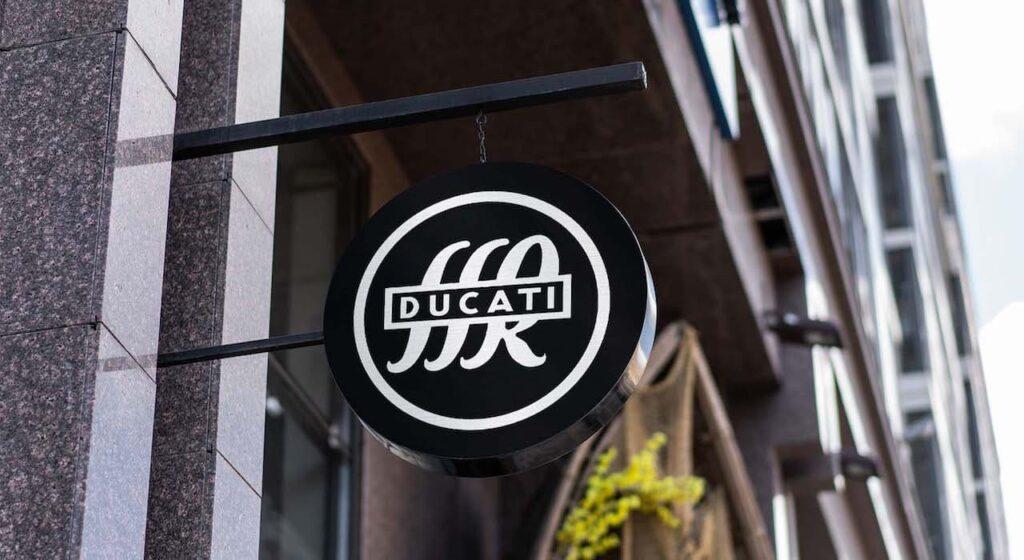
An aluminium sign board is a practical choice for businesses, offices, shops, and commercial buildings that need clear information and a neat appearance. It offers a useful balance of strength, light weight, and resistance to rust. When choosing a signage board, it is important to consider where it will be installed, how people will read it, and how well it will handle daily weather conditions. A suitable design can make directions easier to follow, help visitors find the right entrance, and keep important information visible for years.
1. Why an Aluminium Sign Board Is Suitable for Different Places
Aluminium is widely used for signs because it is light, durable, and easy to shape. Unlike many ordinary iron boards, aluminium does not develop red rust in the same way. It forms a thin protective oxide layer when exposed to air, which helps protect the metal from further corrosion. However, the quality of the finish and the surrounding environment still affect how long the sign lasts.
These qualities make aluminium suitable for indoor and outdoor use. Shops can display their names above entrances, offices can mark departments, and warehouses can use metal signs to show safety instructions or delivery areas.
For example, a small grocery shop may need a sign that remains readable under strong sunlight and occasional rain. An aluminium panel with weather-resistant printing or coating can meet this need without requiring a heavy support structure.
The main benefits include:
-
Lightweight construction: Aluminium is easier to transport and install than many heavier metal materials.
-
Corrosion resistance: It performs well in many outdoor settings when properly finished and maintained.
-
Flexible design: The material can be cut into different shapes and sizes.
-
Neat appearance: Smooth surfaces support clean lettering, logos, and simple graphics.
-
Practical maintenance: Most everyday dirt can be removed with a soft cloth and mild cleaning solution.
These benefits make aluminium a useful option when a sign must look presentable while serving a clear purpose.
2. How to Choose the Right Aluminium Sign Board Design
The design of a sign should depend on its purpose rather than appearance alone. A board that looks attractive but is difficult to read will not serve its intended function. Before selecting colours, fonts, or finishes, consider the viewing distance, available space, lighting, and type of information.
A shop sign viewed from across a road needs larger letters than a small office sign placed beside a door. Similarly, a directional sign in a building should make its message easy to understand at a glance.
Select a suitable size
The board should be large enough to display its message without making the layout crowded. Leave sufficient space around the text and avoid adding too many details. If the sign includes a business name, logo, telephone number, and several services, decide which information matters most to the viewer.
Choose readable lettering
Simple fonts are usually easier to read than decorative styles. Use clear spacing between letters and maintain a noticeable contrast between the text and background.
For example, dark blue lettering on a light background can work well for an office entrance. Very thin lettering on a patterned background may become difficult to read from a distance.
Keep colours consistent
Two or three well-chosen colours are often enough for a clear design. Too many colours can make the board look crowded and weaken the importance of the main message.
The most effective design is one that helps people understand the information quickly, whether they are walking past a shop or looking for a room inside a large building.
3. Which Aluminium Sign Board Finishes Work Best?
The finish affects both the appearance and performance of an aluminium sign. The right choice depends on whether the board will be used indoors or outdoors, how often it will be touched, and how much exposure it will receive to sunlight, dust, and moisture.
Powder-coated finish
Powder coating creates a protective layer over the metal surface. It is available in many colours and can provide a smooth, consistent appearance. It is useful for shop signs, building identification boards, and office signage.
A properly prepared and coated surface can help protect the metal from environmental damage. However, scratches, poor surface preparation, and damage to the coating may reduce its protection.
Brushed aluminium finish
Brushed aluminium has a subtle grain that gives the surface a modern, understated look. It is often suitable for office entrances, reception areas, room identification, and professional buildings.
This finish works particularly well when the design uses simple lettering and limited colours. It may not provide the strongest contrast on its own, so the colour of the text should be selected carefully.
Printed aluminium surface
Printing allows signs to display logos, instructions, symbols, and detailed information. Depending on the printing method and protective finish, the result can be suitable for indoor or outdoor use.
For example, a warehouse may use printed aluminium panels to display loading instructions, while an office may use them to identify meeting rooms and departments.
The printing system should match the intended conditions. Outdoor signs generally need inks, coatings, or laminates designed to withstand sunlight and moisture.
4. Where Can Aluminium Signage Boards Be Used?
An aluminium signage board can serve different purposes across commercial and public spaces. Choosing the right type begins with understanding what people need to see and where they will see it.
Shopfronts and retail stores
Retail signs help customers identify a business before entering. A clear shopfront board should show the business name prominently and remain easy to read from the pavement or road.
For a small clothing shop, a simple aluminium panel with bold lettering may be more effective than a design filled with product images, contact details, and promotional messages.
Offices and reception areas
Office signs help visitors locate entrances, reception desks, meeting rooms, and departments. Aluminium is suitable for these applications because it can provide a clean finish and can be made in different sizes.
For instance, a company operating across several floors may use matching signs to identify each department. Consistent lettering and colours help visitors understand the layout without repeatedly asking for directions.
Warehouses and industrial facilities
Warehouses often require signs that communicate instructions quickly. Aluminium boards can display department names, restricted-area warnings, loading information, and other operational messages.
In these settings, readability and correct placement are more important than decorative details. Safety-related signs must also follow the applicable requirements for their specific purpose.
Building entrances and outdoor directions
Residential buildings, clinics, schools, and commercial properties use signs to identify entrances and guide visitors. Aluminium can be a useful material for these signs when the board is properly finished and securely installed.
Directional signs should be positioned before a person reaches a turning point or entrance. This gives visitors enough time to understand the message and move in the correct direction.
5. Aluminium Sign Board vs Other Sign Materials
Different sign materials offer different advantages. Aluminium is not always the best choice for every situation, so comparing it with other common options can help prevent unnecessary costs.
|
Material |
Main advantages |
Points to consider |
|---|---|---|
|
Aluminium |
Lightweight, corrosion-resistant, versatile |
Can dent or bend under strong impact |
|
Stainless steel |
Strong, premium appearance, good corrosion resistance in suitable grades |
Usually heavier and more expensive |
|
Acrylic |
Smooth surface, modern appearance, suitable for decorative lettering |
Can scratch or crack under impact |
|
PVC board |
Lightweight and often economical |
Quality and outdoor durability vary by type |
|
Galvanised steel |
Strong and suitable for many demanding applications |
Heavier and may corrode if its protective coating is damaged |
For example, a reception area may benefit from acrylic lettering, while a large outdoor information panel may be better suited to aluminium. A site exposed to repeated physical impacts may require a stronger material or additional protection.
The choice should be based on the installation environment, expected lifespan, budget, and visual requirements.
6. How to Protect an Aluminium Sign Board Outdoors
Even a durable sign can lose its appearance if it is exposed to harsh conditions without proper care. In dusty and hot environments, regular inspection is especially useful because dust can collect on the surface and damage may go unnoticed.
Several simple practices can help extend the useful life of an outdoor sign.
Clean the surface carefully. Use clean water, a soft cloth, and a mild cleaning solution. Avoid abrasive pads that may scratch the finish.
Inspect the mounting points. Check screws, brackets, frames, and supports for looseness or damage. A secure installation reduces the risk of the sign shifting or falling.
Look for coating damage. Scratches and peeling paint should be assessed before they spread. Any repair should use a finish compatible with the original coating.
Choose suitable cleaning products. Strong acids, harsh alkaline cleaners, and unsuitable chemicals can damage the surface or its protective finish.
Check printed information. If the board contains printed graphics, inspect them for fading, peeling, or loss of contrast. Replace or repair damaged graphics when the message becomes difficult to read.
For example, an outdoor sign near a busy road may collect more dust than a board inside a covered entrance. Cleaning frequency should reflect actual conditions rather than follow the same schedule for every location.
7. Common Mistakes to Avoid When Installing a Signage Board
A well-made signage board may still perform poorly if its installation and design are not properly planned. Several common mistakes can affect visibility, safety, and durability.
Placing the sign too high or too low
The board should be positioned where its intended audience can see it without difficulty. A sign hidden behind a tree, balcony, or another structure may fail to guide people effectively.
Using too much information
A sign is not a brochure. Long descriptions, several telephone numbers, and too many graphic elements can make the main message difficult to identify. Keep the content focused on what the viewer needs to know.
Ignoring sunlight and lighting
Direct sunlight can create glare, while poor lighting can make a sign difficult to read at night. The surface finish, text colour, installation angle, and surrounding lights should be considered together.
Choosing unsuitable fixings
The mounting method should suit the board's size, weight, location, and exposure to wind. Outdoor signs may need stronger brackets or additional supports. Larger installations should be assessed by a qualified installer, particularly where falling objects could injure people.
Failing to check the final design
Before manufacturing, check spelling, measurements, colours, and the position of every element. Correcting a mistake before production is usually easier and less expensive than replacing a finished board.
8. What Determines the Cost of an Aluminium Sign Board?
The cost depends on more than the amount of aluminium used. The size, thickness, finish, printing method, lettering style, mounting system, and installation requirements all affect the final price.
A small indoor room sign with simple text generally requires less material and work than a large outdoor shopfront sign with a custom finish and complex installation.
Other factors may include:
-
The grade and thickness of the aluminium.
-
The type of paint, powder coating, or surface treatment.
-
The number of colours and complexity of the artwork.
-
Whether the board includes raised lettering or separate graphics.
-
The height and difficulty of the installation location.
-
The need for supporting frames or weather-resistant fittings.
To compare prices fairly, check that each quotation includes similar materials, finishes, dimensions, and installation work. A lower initial price may not represent better value if the sign needs frequent repairs or the printed information fades quickly.
It is also useful to consider the expected lifespan. A suitable finish and correct installation may cost more at first but can reduce maintenance and replacement expenses over time.
Conclusion
An aluminium sign board can provide a practical, durable, and professional way to display information in shops, offices, warehouses, and outdoor commercial spaces. Its lightweight structure, corrosion resistance, and flexible design make it suitable for many applications, provided the material and finish match the environment.
The best results come from focusing on clear lettering, suitable colours, correct sizing, reliable installation, and regular maintenance. Comparing aluminium with other sign materials also helps ensure that the chosen board meets the actual requirements of the location.
Ultimately, a good signage board should do more than look attractive. It should communicate its message clearly, remain visible under normal viewing conditions, and continue to serve its purpose without unnecessary repair or replacement.
- Managerial Effectiveness!
- Future and Predictions
- Motivatinal / Inspiring
- Fitness and Wellness
- Medical & Health
- Manufacturing
- Education
- Real-Estate
- Food Industry
- Hospitality
- Online Games
- Sports
- Home Services
- Civil Engineering
- Safety and Protection
- Software Products & Services
- Fashion and Jewellery
- Artificial Intelligence
- Entrepreneurship
- Mentoring & Guidance
- Marketing
- Networking
- HR & Recruiting
- Literature
- Shopping
- Career Management & Advancement