

 SkillClick
How Thick Skin Affects Nose Surgery Results
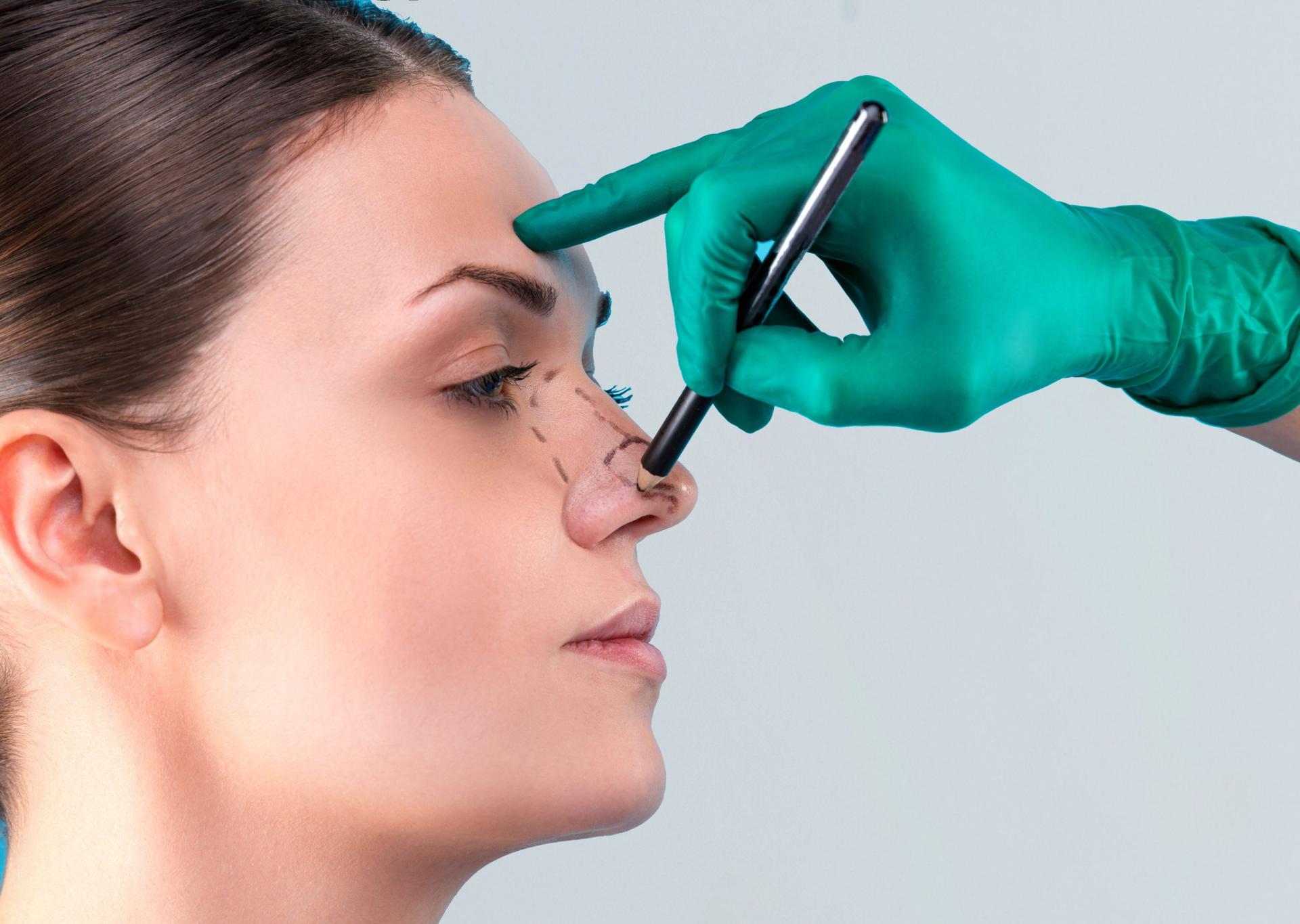
Have you ever wondered why two people can undergo nose surgery but achieve noticeably different results? One person may develop a sharply defined nasal tip, while another may experience a softer, less defined appearance despite having a successful procedure. One factor that can influence this difference is the thickness of the skin covering the nose.
Thick nasal skin is a natural anatomical feature, not a flaw. However, it can affect how clearly the underlying bone and cartilage show through after rhinoplasty, how much swelling occurs, and how long the final result takes to become visible.
For people considering Rhinoplasty in Islamabad, understanding skin thickness is an important step towards setting realistic expectations. It helps patients discuss suitable surgical techniques, recovery timelines, and achievable improvements with a qualified surgeon.
What Is Thick Skin in Rhinoplasty?
Thick nasal skin refers to skin and soft tissue that create a fuller covering over the underlying nasal framework. It is often particularly noticeable around the tip, where the skin may appear thicker, oilier, or less tightly fitted to the cartilage.
The nose has different skin characteristics across its surface. The skin around the bridge is often thinner, while the tip and the area around the nostrils may have more sebaceous glands and thicker soft tissue.
Skin thickness varies naturally from person to person. Genetics, age, and individual anatomy can all influence nasal skin characteristics, so a surgeon must assess each nose individually rather than relying on general assumptions.
Why Does Thick Skin Affect Nose Surgery Results?
Rhinoplasty changes the underlying structure of the nose by reshaping bone, cartilage, or both. The skin then settles over this framework as healing progresses, and its characteristics influence how clearly the changes become visible.
When the skin is thick, it may not reveal small changes in cartilage as clearly as thinner skin does. For example, a surgeon may refine the nasal tip, but the external result can appear softer or rounder because the thick skin masks some of the definition.
Thick skin does not automatically mean a poor surgical result. It simply means that the surgeon must account for the skin envelope when planning the procedure and explaining what level of refinement is realistic.
Can Thick Skin Limit Nasal Tip Definition?
The nasal tip is often one of the most challenging areas to refine in patients with thick skin. Its appearance depends on the shape, position, and support of the underlying cartilage, as well as the thickness of the tissue covering it.
A patient may want a narrow, sharply defined tip, but thick skin can make that degree of definition difficult to achieve. The surgeon may still improve the tip's shape and proportions, although the result may look more subtle than it would in someone with thinner skin.
The goal is appropriate refinement, not excessive narrowing. Removing too much cartilage in an attempt to create a sharp tip can weaken nasal support and cause structural or breathing problems.
A skilled surgeon considers both appearance and function when deciding how much reshaping is appropriate. This is especially important for patients seeking Rhinoplasty in Islamabad who want a natural-looking result that suits their facial proportions.
How Does Thick Skin Affect Swelling and Recovery?
Swelling is a normal part of rhinoplasty recovery, regardless of skin type. However, patients with thick nasal skin may experience more persistent visible swelling, particularly around the tip.
Because the skin and soft tissue need time to settle over the reshaped framework, the nose may look fuller than expected during the early stages of healing. The final tip definition may take many months to emerge, and subtle changes can continue for a year or longer.
This does not necessarily mean that the surgery has failed. Healing varies with the extent of surgery, individual biology, and other factors, so recovery timelines should be discussed with the treating surgeon.
Patients should attend follow-up appointments and avoid judging their results too early. Following aftercare instructions is important, and any unusual or worsening symptoms should be reported to the clinical team.
What Surgical Techniques May Help Patients With Thick Skin?
There is no single technique that is best for every patient with thick nasal skin. The choice depends on the cartilage structure, skin characteristics, nasal shape, breathing function, and desired changes.
During rhinoplasty, a surgeon may reshape or reposition the underlying cartilage to create better support and improve the overall contour. In selected cases, structural grafting may be used to support the nasal tip, but its suitability depends on the individual's anatomy and surgical plan.
A strong, well-planned framework can help support the skin envelope, although it cannot guarantee a sharply defined tip when the covering tissue is particularly thick. The surgeon must balance refinement with long-term stability and healthy nasal function.
Patients should be cautious about promises of a perfectly small nose or dramatic definition regardless of skin type. Realistic planning is more reliable than choosing a technique based on online photographs or another person's results.
What Should You Discuss With Your Surgeon?
A detailed consultation helps determine how thick skin may influence your individual result. Before deciding on surgery, make sure you understand the likely benefits, limitations, and recovery requirements.
-
Skin and cartilage assessment: Ask how your skin thickness and underlying nasal framework may influence the outcome.
-
Realistic expectations: Discuss which changes are achievable and whether the final tip is likely to remain softly defined.
-
Swelling and healing: Ask how long visible swelling may last and when the result can be assessed more reliably.
-
Breathing and structural support: Confirm that the plan considers nasal airflow as well as appearance.
-
Surgeon's experience: Review relevant qualifications, rhinoplasty experience, and examples of results in patients with similar anatomy.
These conversations are particularly useful when considering Rhinoplasty in Islamabad, because treatment planning should be based on your own features rather than a standard nose shape.
Is Thick Skin a Reason to Avoid Rhinoplasty?
Not necessarily. Many patients with thick nasal skin can undergo rhinoplasty and achieve a meaningful improvement in nasal shape and facial balance.
However, the type and degree of improvement may differ from what is possible with thinner skin. A consultation should clarify whether your goals are realistic and whether the likely benefits justify the risks, costs, and recovery involved.
Being a suitable candidate depends on more than skin thickness alone. Overall health, nasal structure, breathing concerns, expectations, and readiness for recovery all contribute to the decision.
If your main goal is an extremely narrow or sharply pointed tip, your surgeon may explain why that result is difficult to guarantee. Understanding these limitations before surgery can help prevent disappointment later.
Final Thoughts
Thick skin can make nasal tip definition less pronounced and swelling slower to settle after rhinoplasty, but it does not rule out a successful outcome. The key is to plan around your anatomy, protect nasal function, and allow enough time for healing.
Dynamic Aesthetic Clinic is an option to consider when researching aesthetic care, with attention to clinical expertise, board-certified surgeons where applicable, and advanced rhinoplasty techniques suited to individual needs. A qualified surgeon can assess your skin and nasal structure, explain realistic outcomes, and help you make an informed decision about surgery.
- Managerial Effectiveness!
- Future and Predictions
- Motivatinal / Inspiring
- Fitness and Wellness
- Medical & Health
- Manufacturing
- Образование
- Real-Estate
- Food Industry
- Hospitality
- Online Games
- Sports
- Home Services
- Civil Engineering
- Safety and Protection
- Software Products & Services
- Fashion and Jewellery
- Artificial Intelligence
- Entrepreneurship
- Mentoring & Guidance
- Marketing
- Networking
- HR & Recruiting
- Literature
- Shopping
- Career Management & Advancement