

 SkillClick
Green Peel Treatment in Dubai: Is the Treatment Safe?
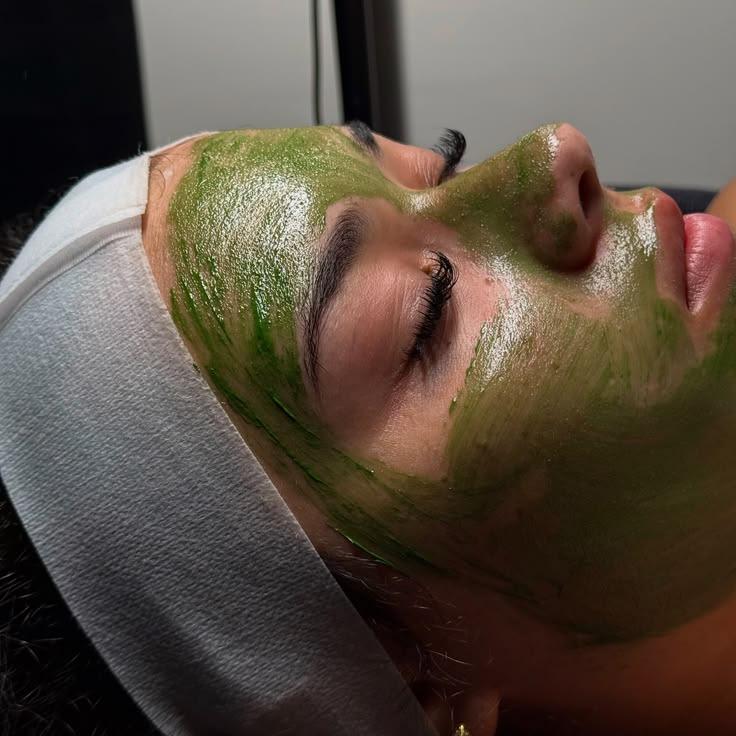
Safety is the first concern for most patients considering any skin procedure, and it should be. Green Peel Treatment in Dubai uses a herbal formulation and a mechanical massage technique, which leads many people to assume it is automatically risk-free because it is "natural." That assumption deserves closer examination. Natural ingredients can still trigger reactions, and technique matters enormously. This article explains how safety is managed in clinical settings, what side effects are typical, which risks are rare but real, and how qualified practitioners reduce the chance of complications through careful assessment and aftercare planning.
Why "Natural" Does Not Automatically Mean Safe
Botanical ingredients are biologically active by definition, which is precisely why they can affect the skin. Some patients react to specific plant extracts even when the overall formulation is well tolerated by most people. Others react to the mechanical component of the treatment rather than the ingredients themselves.
Responsible clinics therefore treat this procedure as a medical cosmetic treatment, not a spa indulgence. Safety comes from proper patient selection, correct technique, and appropriate aftercare rather than from the product's origin.
Typical Side Effects Patients Report
Most side effects are temporary and resolve as the skin settles. Commonly reported effects include:
-
Redness immediately after the session
-
Warmth or tingling in the treated area
-
Mild swelling, particularly around delicate areas
-
Dryness and flaking over the following days
-
Increased sensitivity to skincare products temporarily
These effects are generally manageable with the aftercare instructions provided by the clinician. Patients who follow guidance on gentle cleansing and sun protection usually find the recovery phase predictable.
Green Peel Treatment Risks That Deserve Attention
Beyond routine side effects, there are less common but more significant risks that patients should understand before consenting.
-
Post-inflammatory hyperpigmentation – Darkening of the treated area, more likely in certain skin tones or with sun exposure during healing.
-
Infection – Uncommon when the skin is intact and aftercare is followed, but possible if the skin barrier is compromised.
-
Scarring – Rare, but the risk increases with aggressive technique or premature picking of peeling skin.
-
Delayed healing – Some patients heal more slowly due to medical conditions, medications, or poor aftercare.
-
Allergic reaction – Possible with any botanical ingredient, which is why patch testing or a detailed allergy history matters.
Understanding these risks does not mean expecting them. It means being able to recognize warning signs and seek timely help.
How Clinicians Reduce Risk
Safety is largely a product of clinical discipline. Qualified practitioners reduce risk through several measures:
-
Reviewing medical history, medications, and allergies before treatment
-
Assessing skin type and current skin condition
-
Confirming that no contraindications are present
-
Using appropriate technique and product quantity for the individual
-
Providing clear written aftercare instructions
-
Scheduling follow-up to monitor healing
Each of these steps exists because skipping them increases the chance of a poor outcome. A clinician who rushes through assessment or offers the treatment to everyone without screening is not practicing safely.
The Role of Aftercare in Safety
Much of the risk associated with this treatment occurs after the patient leaves the clinic. Sun exposure during the healing phase is one of the most significant avoidable factors in pigment changes. Picking or peeling flaking skin prematurely can also cause damage.
Patients should expect specific instructions covering cleansing, moisturizing, sun protection, and which products to avoid. When these are followed, the healing process generally progresses as expected. When they are ignored, complications become more likely.
Green Peel Treatment Safety and Skin Tone Considerations
Different skin tones carry different risk profiles for exfoliating treatments. Darker skin types have a higher baseline risk of post-inflammatory hyperpigmentation, which means the clinician must adjust the approach accordingly. This may involve modifying the intensity, spacing sessions further apart, or choosing a different treatment altogether.
This is not a reason to exclude patients with darker skin, but it is a reason to insist on proper assessment. A clinician experienced with diverse skin types will be able to advise honestly on the balance of benefit and risk.
Who Should Avoid the Treatment Entirely
Some patients should not undergo this treatment at all, at least in its standard form. Absolute or strong relative contraindications include active skin infections, certain autoimmune skin conditions in flare, known allergy to the formulation, and pregnancy or breastfeeding where clinical guidance advises against it. Recent use of isotretinoin or other aggressive treatments may also require a waiting period.
Choosing a Clinic That Prioritizes Safety
Safety standards vary between providers. A clinic that emphasizes thorough consultation, honest risk discussion, and individualized planning is far more likely to deliver a safe experience than one that treats the procedure as a quick add-on service.
Tajmeels Clinic in Dubai approaches skin treatments with an emphasis on assessment before intervention, which helps ensure that patients are appropriate candidates and that expectations are realistic. This kind of clinical caution is not an obstacle to treatment; it is part of doing it properly.
Key Takeaways
Green Peel Treatment in Dubai can be performed safely when the patient is appropriately selected, the technique is sound, and aftercare is followed. Side effects are usually temporary, but real risks exist and should be discussed openly. No treatment is risk-free, and any provider suggesting otherwise should be viewed with caution.
If you are considering this option, prioritize a consultation that addresses your specific risks rather than general assurances. A responsible clinician will explain both the benefits and the limitations honestly, allowing you to make a genuinely informed decision.
Book Your Consultation at Tajmeels Clinic
Book your consultation at Tajmeels Clinic to discuss your goals, treatment options, expected results, and recovery with our medical team. Contact us today to learn whether treatment is suitable for you and receive an individualized treatment plan.
WhatsApp: +971 56 203 8751
Phone: +971 4 373 9000
Social Media:
- Managerial Effectiveness!
- Future and Predictions
- Motivatinal / Inspiring
- Fitness and Wellness
- Medical & Health
- Manufacturing
- Education
- Real-Estate
- Food Industry
- Hospitality
- Online Games
- Sports
- Home Services
- Civil Engineering
- Safety and Protection
- Software Products & Services
- Fashion and Jewellery
- Artificial Intelligence
- Entrepreneurship
- Mentoring & Guidance
- Marketing
- Networking
- HR & Recruiting
- Literature
- Shopping
- Career Management & Advancement