

 SkillClick
Simple Ways to Keep a Vehicle’s Exterior Clean and Protected
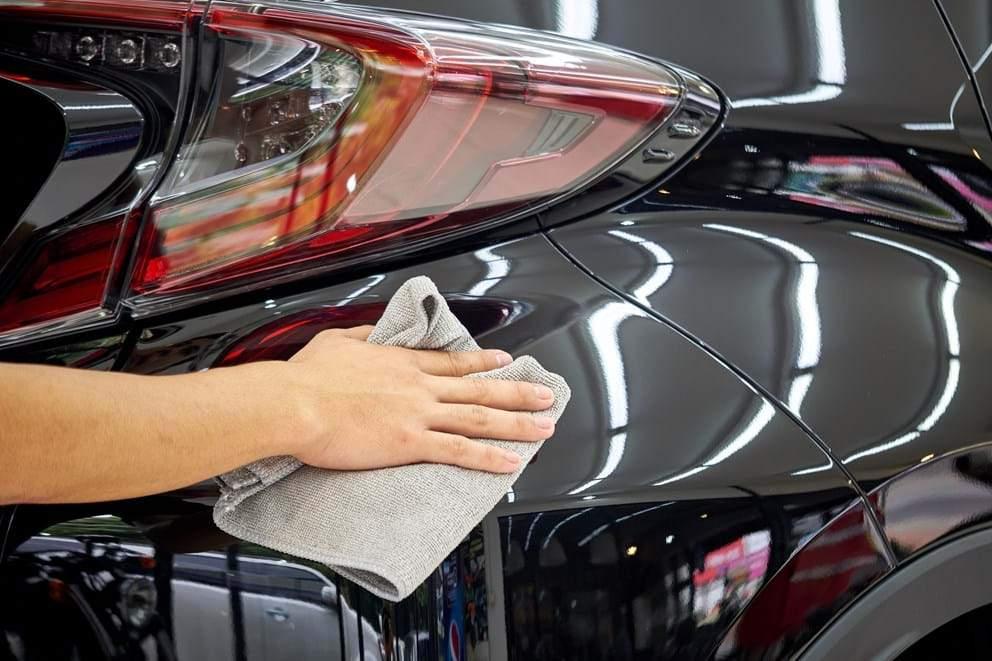
A vehicle’s exterior faces dust, sunlight, road grime, rain, and other environmental contaminants every day. Over time, these conditions can affect the paint, wheels, glass, and exterior trim. Regular care helps remove buildup before it becomes difficult to clean and keeps the vehicle looking well-maintained.
Exterior car care involves more than a quick wash. It includes cleaning different materials correctly, removing stubborn contamination, checking vulnerable areas, and using suitable products to protect the finish. A consistent routine can also make future cleaning easier and help owners notice minor issues before they become more serious.
Start With a Proper Wash
A good wash removes loose dirt and everyday grime without unnecessarily affecting the paint. Using suitable products and clean equipment helps reduce the risk of creating new scratches during routine maintenance.
Rinse Away Loose Dirt
Begin by rinsing the vehicle thoroughly. Dust, sand, and road particles can scratch the surface if they are rubbed into the paint during washing.
Pay attention to lower doors, wheel arches, bumpers, and the rear of the vehicle. These areas often collect more dirt because they sit close to the road or receive splashes from the tires.
Use Automotive Cleaning Products
Choose a car shampoo designed for vehicle paint. Household detergents may remove protective products or leave the surface looking dull, depending on their ingredients.
Use a clean wash mitt and separate equipment for heavily soiled wheels whenever possible. This reduces the chance of transferring brake dust and gritty particles onto painted panels.
Dry the Vehicle Carefully
Leaving water to evaporate naturally can result in mineral spots, especially when the water contains a high level of dissolved minerals. Drying the vehicle with a clean microfiber towel helps reduce these marks.
Avoid dragging a dirty or rough cloth across the surface. Gentle drying techniques help preserve the finish and reduce unnecessary friction.
Pay Attention to Wheels and Tires
Wheels collect brake dust, road grime, and other contaminants that can make even a freshly washed vehicle look unfinished. Tires also gather dirt and may develop a faded appearance after repeated exposure to sunlight and weather.
Choose Suitable Wheel Cleaners
Wheel finishes vary, so a cleaner that works on one type may not be appropriate for another. Painted, polished, chrome, and specialty-coated wheels may have different care requirements.
Read the product instructions and test an unfamiliar cleaner in a small area when appropriate. Avoid allowing cleaning chemicals to dry on the wheel surface.
Clean Tires Separately
Tires often need a dedicated brush to remove accumulated grime. Rinse them thoroughly after cleaning, then allow the surface to dry before applying a compatible tire dressing.
Use products designed for automotive tires and avoid applying slippery dressing to tread or braking surfaces. The aim is to maintain a clean appearance without affecting vehicle safety.
Inspect Wheel Arches
Wheel arches can trap mud and road debris, particularly after wet weather. Rinsing these areas during regular washing helps prevent thick buildup.
While cleaning, check for loose trim, visible corrosion, or unusual damage. Persistent problems may need inspection beyond ordinary detailing.
Keep Exterior Glass Clear
Clean glass improves visibility and contributes to the vehicle’s overall appearance. Road film, fingerprints, dust, and water spots can build up on windows even when the body panels look clean.
Use Glass-Safe Products
Apply a glass cleaner formulated for automotive windows. Use a clean microfiber cloth and avoid products that leave a greasy residue.
Clean both the inside and outside of the windows when needed. Interior glass can accumulate a film from cabin materials, dust, and everyday use.
Check Mirrors and Wiper Areas
Side mirrors and the rear window deserve attention because they support visibility while driving. Remove dirt from mirror surfaces and clean the areas around windshield wipers.
If wipers leave streaks after the glass has been cleaned, inspect the blades for wear. Detailing products cannot solve every visibility issue, so damaged wipers may need replacement.
Protect Paint From Environmental Damage
Paint is exposed to conditions that can gradually reduce its gloss or leave visible marks. Routine cleaning helps, but additional protection may be useful depending on where and how the vehicle is parked.
Limit Long Exposure to Sunlight
Strong sunlight can contribute to the gradual deterioration of exterior materials. Whenever practical, parking in a shaded area or covered space can reduce exposure.
Avoid assuming that shade eliminates all environmental risks. Tree sap, falling debris, and bird droppings can create their own problems, so the parking location should be considered carefully.
Remove Bird Droppings and Tree Sap Promptly
Some contaminants can affect the clear coat if they remain on the surface for too long, particularly in warm conditions. Remove them using an appropriate automotive cleaner and a gentle method.
Do not scrape dried material with sharp objects. If the residue is difficult to remove, a suitable specialized product or professional assistance may be safer.
Consider a Protective Product
Wax and paint sealants can add a protective layer and help water move off the surface. Ceramic coatings are another option, although the preparation, maintenance requirements, and expected durability vary by product.
Protection can make routine washing easier, but it cannot prevent every scratch or stone chip. Realistic expectations help owners choose an option that fits their budget and driving habits.
Maintain Trim, Badges, and Exterior Details
Small exterior components can change the overall look of a vehicle. Plastic trim, rubber seals, badges, and grille sections often collect grime or fade differently from painted panels.
Clean Plastic and Rubber Carefully
Use a compatible cleaner for exterior plastics and rubber seals. Avoid applying strong chemicals without checking whether they are safe for the material.
Some trim-restoration products can improve the appearance of faded plastic, but results depend on the material and its condition. Test products in an inconspicuous spot if the manufacturer recommends doing so.
Remove Dirt Around Badges
Dust and residue can accumulate around emblems, door handles, and decorative trim. A soft detailing brush can help clean these narrow spaces without the aggressive rubbing that may mark nearby paint.
Work gently around loose badges or damaged trim. If a component is lifting or cracked, cleaning alone may not be enough to restore it.
Check Door Jambs and Fuel Doors
Door jambs and fuel-door areas are easy to overlook during a quick wash. Dirt can accumulate in these spaces and transfer onto clothing or hands when the vehicle is used.
Wipe these areas with a suitable cleaner and a separate cloth. Avoid directing excessive water toward electrical components or areas where moisture should be limited.

Choose a Detailing Routine That Fits Your Vehicle
The ideal cleaning schedule depends on driving conditions, parking arrangements, weather, and how frequently the vehicle is used. A car driven daily through dusty roads may need more frequent washing than one kept in a covered garage.
Weekly Checks
A quick visual inspection can reveal fresh bird droppings, heavy dust, dirty glass, or mud around the wheels. Addressing obvious buildup early can reduce the effort needed during a full wash.
There is no need to perform an intensive detailing session every week. Small maintenance tasks can help keep the exterior manageable between deeper cleans.
Monthly Care
A more thorough cleaning can include the wheels, tires, exterior glass, trim, and hard-to-reach areas. This is also a useful time to check for new scratches, paint chips, and signs of corrosion.
The schedule should remain flexible. Rain, construction dust, long journeys, and outdoor parking can all increase the need for additional cleaning.
Seasonal Maintenance
Changes in weather may create different exterior-care needs. Rainy periods can leave road film and water spots, while dry conditions can increase dust accumulation.
Before using a new seasonal product, confirm that it suits the vehicle’s paint and other exterior materials. Applying several products without checking compatibility may leave residue or interfere with existing protection.
When Professional Exterior Care Can Help
Routine washing is useful for everyday dirt, but some conditions require more specialized attention. Bonded contaminants, stubborn water spots, oxidation, and uneven paint appearance may not respond to ordinary shampoo.
Professional detailers can inspect the surface and recommend suitable cleaning or correction methods. Depending on the condition, the work may involve decontamination, polishing, or the application of paint protection.
Drivers researching Exterior Detailing in Inglewood, CA can ask which areas are included in a service and whether wheels, tires, glass, trim, and paint decontamination are covered. It is also helpful to confirm which products will be used and whether any paint defects require a separate treatment.
A clear explanation of the process helps vehicle owners select a service based on actual needs rather than choosing the most extensive package automatically.
Conclusion
Maintaining a vehicle’s exterior starts with safe washing, careful drying, and regular attention to wheels, glass, trim, and paint. Removing contaminants promptly and choosing suitable protective products can help preserve the finish over time. A consistent routine, adjusted to driving and parking conditions, keeps exterior maintenance practical and helps the vehicle remain clean between detailed treatments.
- Managerial Effectiveness!
- Future and Predictions
- Motivatinal / Inspiring
- Fitness and Wellness
- Medical & Health
- Manufacturing
- Education
- Real-Estate
- Food Industry
- Hospitality
- Online Games
- Sports
- Home Services
- Civil Engineering
- Safety and Protection
- Software Products & Services
- Fashion and Jewellery
- Artificial Intelligence
- Entrepreneurship
- Mentoring & Guidance
- Marketing
- Networking
- HR & Recruiting
- Literature
- Shopping
- Career Management & Advancement