

 SkillClick
What Should North Las Vegas Businesses Consider When Choosing Commercial TPO Roofing for Logistics Facilities?
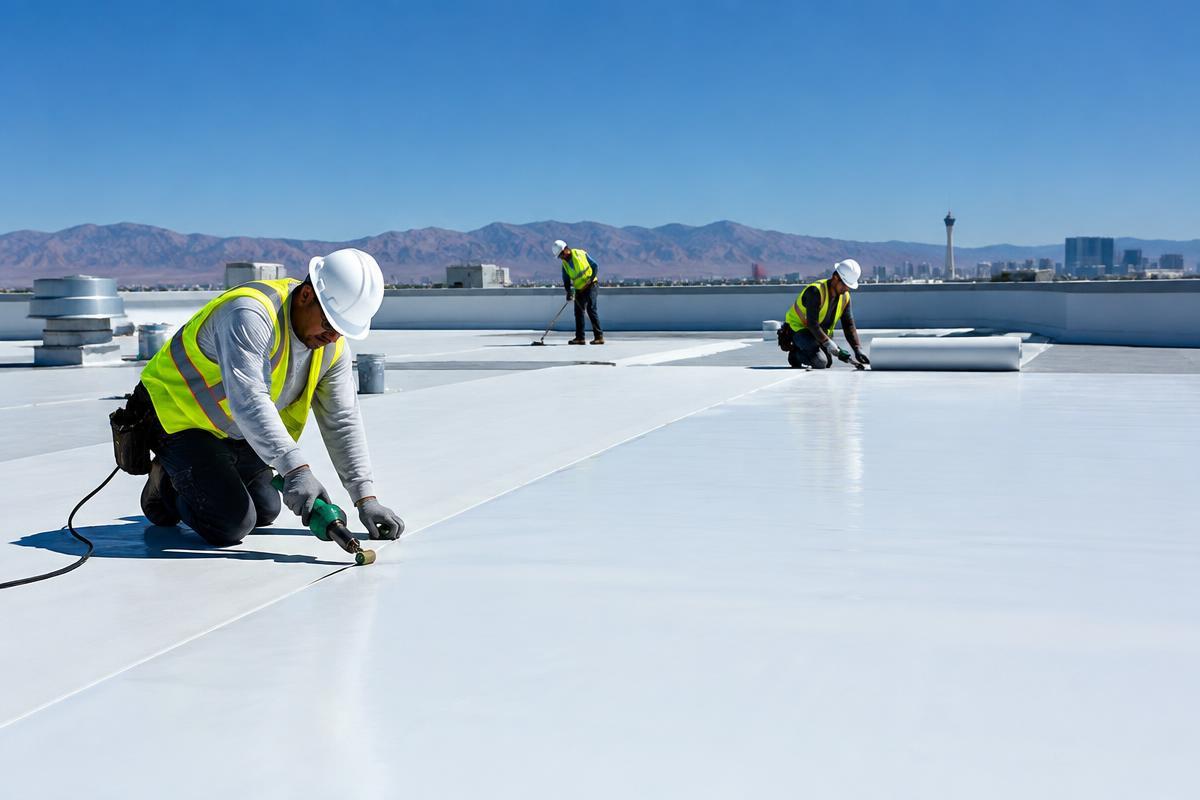
Commercial roofing plays an important role in protecting warehouses, distribution centers, loading facilities, and other buildings that support logistics operations. In North Las Vegas, where commercial properties may experience intense sunlight, high summer temperatures, wind, and occasional heavy rainfall, selecting an appropriate roofing system requires careful consideration. A roof must do more than cover a building. It should help protect inventory, support daily operations, manage exposure to changing weather conditions, and provide a practical maintenance strategy over time.
Thermoplastic polyolefin, commonly known as TPO, is one option used on many low-slope and flat commercial roofs. Its reflective surface, heat-welded seams, and compatibility with various commercial roof assemblies make it worth evaluating for logistics facilities. However, the suitability of TPO depends on the building's design, existing roof conditions, insulation requirements, drainage system, and operational demands.
Understanding these factors helps property owners and facility managers make informed decisions before committing to a roofing project.
Why Does Roofing Matter for North Las Vegas Logistics Facilities?
Logistics buildings often accommodate large inventories, frequent deliveries, material-handling equipment, and continuous employee activity. A roof problem can affect several parts of an operation simultaneously. Water intrusion may damage stored products, interrupt warehouse activities, or require unplanned maintenance that interferes with normal schedules.
Unlike many residential roofs, commercial warehouse roofs frequently cover expansive areas with relatively low slopes. Their design must account for drainage, rooftop equipment, structural movement, and the practical challenges of inspecting a large surface.
North Las Vegas businesses should also consider local environmental exposure. Extended periods of strong sunshine can place substantial thermal demands on roofing materials. Dust and airborne debris may accumulate around rooftop equipment or drainage points, while wind can introduce additional stress at roof edges and around penetrations.
A roofing system should therefore be selected according to the building's actual conditions rather than appearance or initial price alone.
How Does TPO Roofing Work on Large Commercial Buildings?
TPO is a single-ply roofing membrane manufactured from thermoplastic polyolefin. It is commonly installed over suitable commercial roof assemblies, with insulation and attachment methods selected according to project specifications.
The membrane is installed in sheets, and adjacent seams are typically joined using hot-air welding. When performed correctly under appropriate conditions, this process creates a continuous seam that helps resist water penetration.
Several characteristics make TPO worth considering for logistics properties.
Reflective Properties and Heat Management
Many TPO membranes have light-colored surfaces designed to reflect a portion of the sun's radiation. Depending on the product and installation, this can reduce the amount of solar energy absorbed by the roof compared with darker surfaces.
For a large warehouse exposed to intense desert sunshine, this characteristic may contribute to managing roof temperatures and cooling demand. Actual energy performance, however, depends on insulation, HVAC efficiency, air leakage, building occupancy, and other factors. A reflective membrane alone cannot guarantee lower utility bills.
Welded Seams and Water Resistance
Properly heat-welded seams are an important feature of TPO roofing. Unlike systems that depend entirely on adhesive or exposed mechanical joints between membrane sheets, welded seams can form strong, continuous connections when installed correctly.
Seam quality depends on several variables, including membrane condition, equipment settings, installer technique, and weather during installation. Professional inspection and appropriate seam testing help identify potential weaknesses before they develop into leaks.
Compatibility With Commercial Roof Assemblies
TPO can be incorporated into different roof assemblies using approved attachment methods. Depending on the building and system design, the membrane may be mechanically attached, adhered, or installed as part of another approved configuration.
The correct approach depends on structural conditions, wind-uplift requirements, insulation, existing materials, and manufacturer specifications. A qualified roofing professional should evaluate these details before recommending a particular installation method.
What Should Facility Managers Evaluate Before Installation?
Choosing a membrane is only one part of planning a commercial roofing project. The roof assembly must be compatible with the building and its operational requirements.
Existing Roof Condition
For a replacement project, an initial inspection should determine whether the existing membrane, insulation, decking, and drainage components remain serviceable.
Moisture trapped within an existing roof assembly can undermine a new installation if it is not identified and addressed. Depending on the findings, the project may require localized repairs, removal of damaged materials, or a more extensive roof replacement.
Facility managers should request a clear explanation of the inspection findings and the proposed scope of work before approving a project.
Insulation and Energy Performance
Insulation influences heat transfer through the roof and affects indoor comfort and energy use. Its required thickness and configuration depend on applicable codes, project specifications, and the building's performance goals.
Warehouses with temperature-sensitive products or occupied office sections may have different requirements from facilities used primarily for general storage. The roofing design should account for these differences rather than treating every commercial building as identical.
Drainage and Ponding Water
Effective drainage is essential for low-slope roofing systems. Water that remains on the roof for extended periods can increase exposure to membrane defects and place additional demands on vulnerable areas.
Before installation, professionals should examine roof slopes, drains, scuppers, gutters, and other drainage components. They should also consider whether rooftop equipment, structural deflection, or previous construction work has created areas where water collects.
Correcting drainage problems during a roofing project can help protect the new membrane and reduce avoidable maintenance concerns.
How Can Businesses Plan Roofing Work Around Logistics Operations?
A commercial roofing project can create logistical challenges of its own. Deliveries, loading schedules, employee access, rooftop equipment, and inventory protection all require consideration during installation.
Businesses should discuss the proposed work schedule with their roofing contractor before construction begins. Depending on the building's layout and project size, the work may be organized into sections to limit disruption and maintain safer access around active operations.
For properties evaluating commercial TPO roofing specialists in North Las Vegas, it is useful to discuss how the contractor intends to manage material staging, work zones, weather exposure, and communication with facility personnel.
The planning process should address several practical questions:
-
Which roof sections will be worked on first?
-
How will exposed roof areas be protected if weather conditions change?
-
Where can equipment and roofing materials be stored without interfering with deliveries?
-
How will workers access the roof safely?
-
Who will communicate schedule changes to building management?
-
What measures will protect inventory and occupied areas from dust, debris, and water intrusion?
Clear answers help establish realistic expectations and reduce confusion during construction.
Which Installation Details Have the Greatest Impact on Performance?
Even an appropriate roofing membrane can underperform when installation details are overlooked. Commercial roofs contain numerous transitions and penetrations that require careful workmanship.
Roof Edges and Perimeter Securement
Roof edges may experience significant wind-related forces. The attachment of the membrane and associated perimeter components should be designed according to the building's exposure, geometry, applicable requirements, and approved roofing system.
Improperly secured edges can create vulnerabilities that extend beyond the immediate perimeter. Contractors should explain how their proposed assembly addresses wind uplift and edge detailing.
HVAC Units and Roof Penetrations
Warehouse roofs often contain ventilation equipment, exhaust systems, piping, conduits, and other penetrations. Each opening creates a location where the membrane must connect properly with surrounding components.
Flashing details should follow the roofing system manufacturer's requirements. Incompatible materials, rushed workmanship, or inadequate support around equipment can create potential leak paths.
Facility managers should also ensure that maintenance personnel understand how to access rooftop equipment without unnecessarily damaging the membrane.
Seam Inspection and Quality Control
Because TPO seams rely on heat welding, quality control should be incorporated throughout installation rather than postponed until the project is finished.
The contractor should follow the manufacturer's installation requirements, inspect completed seams, and address defects before covering or accepting affected areas. Documentation of inspections, repairs, and installation procedures can also support future maintenance.
What Maintenance Does a TPO Roof Need in the Desert Climate?
No commercial roofing system is maintenance-free. Although TPO is designed for commercial roof applications, its condition can change because of environmental exposure, rooftop traffic, equipment servicing, and drainage problems.
A maintenance plan should include periodic professional inspections and additional checks after significant weather events when appropriate.
Keep Drainage Components Clear
Leaves, dust, packaging materials, and other debris can obstruct drains and interfere with water movement. Facility personnel should follow safe procedures for monitoring drainage points and arrange professional attention when blockages or persistent ponding appear.
Monitor Flashing and Seams
Inspections should examine membrane seams, flashing transitions, roof edges, and areas surrounding rooftop equipment. Small defects may be easier to address before they allow water to reach insulation or interior spaces.
Repairs should use materials and methods compatible with the installed roofing system.
Manage Rooftop Traffic
HVAC technicians, electricians, and other maintenance workers may need regular roof access. Establishing designated walkways where appropriate and communicating roof-access procedures can reduce accidental punctures and other mechanical damage.
Any suspected damage should be documented and evaluated promptly rather than left until a leak becomes visible inside the building.
How Should Businesses Compare Roofing Proposals?
Commercial roofing proposals should be evaluated according to their scope, technical details, installation plan, and long-term responsibilities—not solely the quoted price.
Businesses should look for a written description of the proposed membrane, insulation, attachment method, flashing details, and treatment of existing roofing materials. The proposal should also explain how drainage concerns will be addressed and what inspection procedures are included.
Warranty terms deserve particular attention. Coverage, exclusions, maintenance obligations, and the distinction between material and workmanship warranties can vary. Property owners should review the actual documents rather than assuming all TPO installations carry identical protection.
Contractor experience with comparable commercial roof projects is another useful consideration. Facility managers can ask how similar projects were planned, what quality-control measures were used, and how communication was handled when buildings remained operational during construction.
References, insurance documentation, and any applicable licensing information should be verified through appropriate channels. Businesses should avoid relying on unsupported claims or verbal assurances when evaluating a substantial roofing investment.
When Is TPO Roofing the Right Choice for a Logistics Property?
TPO may be a suitable option for many low-slope commercial buildings, particularly when reflective performance, welded seams, and compatibility with the proposed roof assembly align with the property's needs.
Nevertheless, no membrane is ideal for every building. Roof geometry, structural conditions, rooftop equipment, expected foot traffic, existing moisture, project budget, and long-term maintenance plans all influence the decision.
A professional assessment can help determine whether TPO is appropriate or whether another roofing system better matches the building's requirements. Comparing technically suitable alternatives using the same performance criteria can make the decision more objective.
Conclusion
Commercial TPO roofing can offer North Las Vegas logistics facilities a practical combination of reflective surface characteristics, welded seams, and installation flexibility. Achieving dependable performance requires more than choosing a membrane. Proper drainage, suitable insulation, secure perimeter details, careful flashing work, installation quality control, and consistent maintenance all contribute to the roof's service life.
Facility managers should begin with a detailed assessment of the existing roof and the building's operational demands. They can then compare installation proposals, clarify warranty responsibilities, and develop a realistic plan to minimize business disruption.
By treating roofing as a long-term building management decision rather than a short-term repair expense, logistics businesses can make more informed choices about protecting their facilities, inventory, and daily operations.
More details are available at: Local Business Directory
- Managerial Effectiveness!
- Future and Predictions
- Motivatinal / Inspiring
- Fitness and Wellness
- Medical & Health
- Manufacturing
- Education
- Real-Estate
- Food Industry
- Hospitality
- Online Games
- Sports
- Home Services
- Civil Engineering
- Safety and Protection
- Software Products & Services
- Fashion and Jewellery
- Artificial Intelligence
- Entrepreneurship
- Mentoring & Guidance
- Marketing
- Networking
- HR & Recruiting
- Literature
- Shopping
- Career Management & Advancement