

 SkillClick
How to Build a Serious Indian Art Collection: A Beginner’s Guide
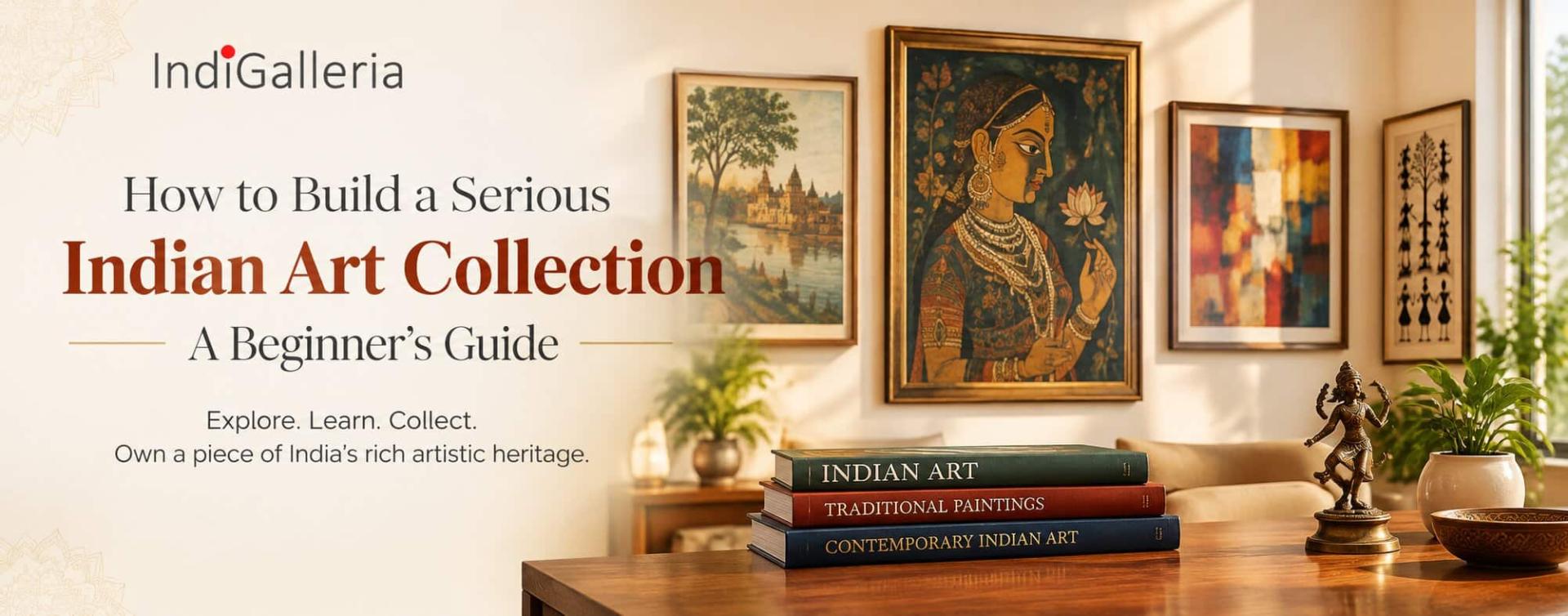
Indian art is more than a beautiful addition to your home. It reflects the country’s rich cultural heritage, artistic traditions, regional identities, and evolving creative expressions. From traditional Madhubani paintings and intricate miniature art to contemporary abstract works, Indian artwork offers collectors an opportunity to connect with creativity while building a meaningful collection.
For beginners, starting an art collection can feel overwhelming. Questions about authenticity, pricing, artists, painting styles, and long-term value often make it difficult to know where to begin. The good news is that you do not need an enormous budget or extensive art knowledge to become a thoughtful art collector. With research, patience, and a clear approach, you can build an Indian art collection that reflects your personal taste and appreciation for original artwork.
1. Understand the Different Styles of Indian Art
Before purchasing your first painting, explore the diverse art forms that India has to offer. Understanding different styles will help you identify what interests you most and make more informed buying decisions.
Some popular Indian art forms include:
-
Madhubani painting: Known for intricate patterns, vibrant colours, and themes inspired by mythology, nature, and everyday life.
-
Warli art: A traditional tribal art form recognised for its simple geometric figures and depictions of community life.
-
Rajasthani miniature painting: Celebrated for detailed compositions, delicate brushwork, and historical or mythological themes.
-
Pattachitra: A traditional painting style known for detailed illustrations and stories rooted in Indian mythology and folklore.
-
Contemporary Indian art: Includes modern interpretations, experimental techniques, abstract compositions, and innovative approaches to traditional subjects.
Spend time exploring these styles through exhibitions, artist portfolios, art publications, and online galleries. You may discover a preference for traditional Indian paintings, modern abstract art, or a combination of different artistic expressions.
2. Define Your Art Collection Goals
A serious art collection begins with a clear purpose. Ask yourself why you want to collect art. Are you interested in preserving Indian cultural traditions, supporting emerging artists, decorating your living space, or exploring art as a long-term investment?
Your answer will help determine which artworks you should prioritise.
For example, collectors interested in cultural heritage may prefer traditional Indian paintings, while those with a contemporary aesthetic may gravitate towards modern compositions and experimental artwork.
You can also establish a collection theme, such as Indian landscapes, spiritual paintings, portraits, nature-inspired artwork, or works by artists from a particular region.
Having a theme does not mean restricting yourself permanently. Instead, it provides direction while allowing your collection to evolve as your knowledge and interests grow.
3. Set a Realistic Budget
You do not need to spend a fortune to start collecting original Indian art. Many beginners can start with a modest budget and gradually purchase more significant works as their understanding of the art market improves.
Determine how much you can comfortably spend on artwork. Remember that the total cost may include framing, shipping, insurance, installation, and conservation.
Rather than buying several paintings simply because they are inexpensive, consider purchasing fewer works that genuinely appeal to you. A carefully selected original painting can offer greater personal satisfaction than a large collection of pieces chosen without much thought.
Compare prices across artists, galleries, and reputable online art platforms. Consider the artwork's medium, dimensions, complexity, provenance, and the artist's established market presence when evaluating its price.
4. Research Artists Before Buying
Understanding the artist behind a painting is an essential part of building a serious collection. Research their education, artistic background, exhibition history, creative influences, and previous work.
An artist's portfolio can help you determine whether their style is consistent with your interests and whether their work demonstrates a distinctive artistic vision.
Emerging artists can be particularly interesting for new collectors because their work may be more accessible than that of established names. However, future appreciation is never guaranteed, so buy artwork because you value its artistic qualities rather than relying entirely on potential financial returns.
Whenever possible, read the artist's statement and learn about the ideas or cultural influences behind the artwork. This context can make a painting more meaningful and help you build a collection with a coherent story.
5. Check Authenticity and Documentation
Authenticity is one of the most important considerations when buying original Indian paintings. Before making a purchase, ask for relevant documentation and clear information about the artwork.
Depending on the piece, useful documentation may include:
-
A certificate of authenticity, where available.
-
The artist's name and biography.
-
The artwork's title, medium, dimensions, and creation date.
-
Provenance or ownership history, where applicable.
-
Purchase invoices and gallery documentation.
For higher-value works, consider obtaining an independent professional assessment if authenticity or attribution is uncertain.
Be cautious of sellers who make extraordinary claims about an artwork's investment potential or refuse to provide reasonable information about its origin. A trustworthy seller should clearly explain what is known about the piece and disclose any relevant limitations.
6. Explore Reputable Online Art Galleries
Buying Indian art online makes it easier to discover artists, compare painting styles, and explore artwork from different regions without visiting multiple physical galleries.
When shopping online, examine product photographs carefully and review the artwork's description, size, medium, artist information, shipping conditions, and return policy. If colour accuracy or texture is important, request additional photographs or details before purchasing.
IndiGalleria offers an online platform for exploring Indian artwork and discovering paintings for different tastes and spaces. It can be a useful starting point for collectors who want to browse available artwork and learn more about the pieces they are considering.
However, always evaluate each artwork individually and confirm the relevant product details before placing an order.
7. Prioritise Quality Over Quantity
A serious art collection is not defined by the number of paintings you own. It is defined by the thought behind your choices.
Look for works that demonstrate artistic skill, originality, thoughtful composition, and a distinctive perspective. Consider how each new purchase relates to the pieces you already own.
You do not need every painting to follow the same style or colour palette. A traditional Indian artwork can sit alongside a contemporary abstract piece if both have a meaningful place in your collection.
Over time, keeping notes about why you purchased each artwork can help you understand your preferences and develop a more personal collecting philosophy.
8. Protect and Document Your Collection
Once you begin collecting, proper care helps preserve your artwork for years to come.
Keep paintings away from prolonged direct sunlight, excessive humidity, water, and sudden temperature changes. Use suitable framing and display methods, particularly for delicate works on paper and traditional materials.
Maintain a digital record of every purchase, including photographs, invoices, artist details, certificates, dimensions, and any available provenance documentation. For valuable pieces, investigate suitable insurance and consult a professional conservator when necessary.
Good documentation is useful for personal records, future sales, insurance claims, and understanding how your collection has developed.
9. Think Long-Term, but Buy What You Love
Art collecting can be a rewarding long-term pursuit, but it is important to distinguish personal enjoyment from financial speculation. Not every painting increases in value, and selling artwork may take time.
If investment potential matters to you, research the artist's market history, exhibition record, demand, and comparable sales where reliable information is available. Avoid purchasing artwork solely because someone predicts that its price will rise.
For most beginners, the strongest foundation is a collection built around genuine interest, informed decisions, and a willingness to learn.
Conclusion
Building a serious Indian art collection is a journey that combines curiosity, cultural appreciation, research, and thoughtful purchasing. By understanding different art forms, setting a realistic budget, researching artists, checking authenticity, and caring for your purchases, you can gradually develop a collection that reflects your interests and values.
You do not have to become an expert overnight. Start with one artwork that speaks to you, learn about its creator, and use that experience to guide your next decision.
Whether you are drawn to traditional Indian paintings, contemporary artwork, or emerging creative voices, IndiGalleria can be a starting point for exploring Indian art and discovering pieces that may become meaningful additions to your collection. Collect with curiosity, choose with care, and allow your appreciation for Indian art to grow with every new discovery.
- Managerial Effectiveness!
- Future and Predictions
- Motivatinal / Inspiring
- Fitness and Wellness
- Medical & Health
- Manufacturing
- Education
- Real-Estate
- Food Industry
- Hospitality
- Online Games
- Sports
- Home Services
- Civil Engineering
- Safety and Protection
- Software Products & Services
- Fashion and Jewellery
- Artificial Intelligence
- Entrepreneurship
- Mentoring & Guidance
- Marketing
- Networking
- HR & Recruiting
- Literature
- Shopping
- Career Management & Advancement