

 SkillClick
From Ransomware to Data Breaches: How Cyber Security Risk Assessment Helps Prevent Costly Incidents
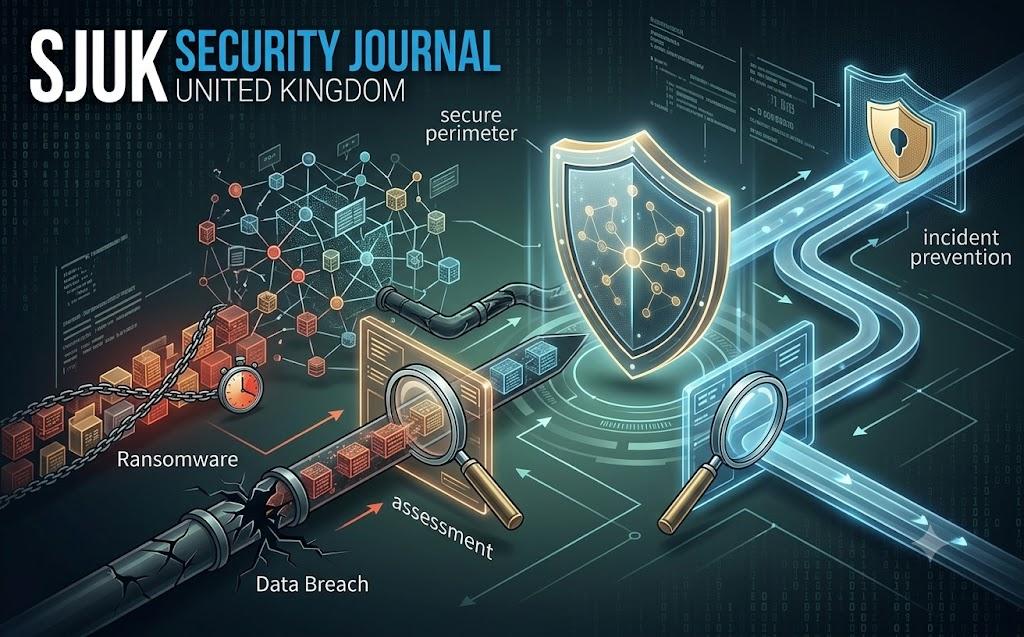
A cyber incident can affect far more than a company's computers. Ransomware may interrupt essential services, stolen credentials can expose confidential records, and a data breach can create costly recovery work. Even businesses with established security tools can experience incidents when attackers discover gaps between individual controls.
A cyber security risk assessment helps businesses understand how these incidents could occur and which weaknesses deserve attention first. It examines the relationship between valuable assets, possible attack methods, existing safeguards and potential business consequences.
Although no assessment can guarantee that every attack will be prevented, a structured review can help reduce avoidable exposure, improve preparedness and support more effective incident response.
Understanding the Main Cyber Threats
Ransomware Attacks
Ransomware can prevent users from accessing files or systems by encrypting data. Some attackers also steal information and threaten to disclose it, creating pressure on victims to meet their demands.
Weak access controls, unpatched systems and inadequate backups can increase the consequences of an incident. Businesses should identify critical services, restrict privileged access, maintain protected backups and test their ability to restore operations.
Phishing and Credential Theft
Phishing messages may imitate familiar services or colleagues to persuade employees to reveal credentials, open malicious attachments or approve fraudulent requests. Stolen credentials can give attackers access without requiring them to exploit a technical vulnerability directly.
Risk reduction measures include multifactor authentication, staff awareness, email security controls and procedures for verifying unusual requests.
Data Breaches
A data breach may occur when attackers access confidential information, but accidental disclosure can also expose sensitive records. Excessive permissions, misconfigured cloud storage and insecure file sharing can all contribute.
Businesses should identify the information they hold, establish appropriate access restrictions and monitor unusual activity involving sensitive data.
Step 1: Identify High-Value Assets
Effective protection begins with understanding what matters most. Identify critical applications, customer information, financial records, employee data, intellectual property and systems required to maintain essential services.
Record where these assets are stored, who can access them and which other systems they depend on. This helps reveal the potential consequences of an incident affecting a single account or platform.
A cyber security risk assessment should also consider whether a disruption would prevent employees from working, interrupt customer services or affect safety-related operations.
Step 2: Map Realistic Attack Scenarios
Rather than assessing threats in isolation, describe how an incident might develop.
For example, an employee could enter credentials into a fraudulent website. An attacker might then access the account, search for sensitive documents and attempt to obtain greater privileges. If monitoring is weak, the activity could continue unnoticed.
Another scenario could involve an unpatched server exposed to the internet. A successful compromise might allow an attacker to disrupt a critical application or access information stored on connected systems.
Mapping scenarios helps security teams understand the sequence of events, the controls that should interrupt an attack and the consequences if those controls fail.
Step 3: Evaluate Existing Defences
Businesses should review whether their safeguards address the scenarios identified. Relevant controls may include multifactor authentication, endpoint protection, network segmentation, access restrictions, logging, monitoring and backup procedures.
The assessment should examine implementation as well as policy. A written requirement to review user access is less valuable if reviews are routinely missed.
Testing can help establish whether alerts reach the appropriate team, whether compromised accounts can be disabled quickly and whether backups remain accessible during a wider system disruption.
Step 4: Prioritise Risks by Business Impact
A cyber security risk assessment should consider the operational consequences of each scenario, not just its technical characteristics.
For example, a compromised account connected to a critical financial system may create more serious consequences than an isolated vulnerability in a non-essential application. A data breach involving sensitive personal information may also require a different response from a temporary interruption to a low-priority service.
Evaluate the likelihood of each scenario, the effectiveness of existing controls and the resources needed to reduce the exposure. Record uncertainties so decision-makers understand where further investigation is required.
Step 5: Strengthen Prevention and Detection
Preventive controls aim to reduce the chance of a successful attack, while detective controls help identify suspicious activity.
Useful measures include:
-
Applying security updates according to risk and urgency.
-
Requiring multifactor authentication for important accounts.
-
Restricting administrator permissions.
-
Protecting sensitive information through encryption and access controls.
-
Monitoring unusual logins, privilege changes and data transfers.
-
Maintaining secure backups and testing restoration.
-
Providing practical guidance on phishing and social engineering.
No single measure provides complete protection. Controls should work together, with particular attention to critical assets and common attack paths.
Step 6: Prepare an Incident Response Plan
Prevention must be supported by a clear response process. Businesses should define who assesses an incident, who can isolate affected systems, how evidence is preserved and who communicates with relevant stakeholders.
Response procedures should include ways to disable compromised accounts, contain malicious activity, restore systems and assess potential data exposure. Where reporting obligations apply, the business should identify who determines the appropriate notifications.
A cyber security risk assessment can reveal gaps in these arrangements before an actual incident tests them.
Tabletop exercises allow staff to practise realistic scenarios without disrupting production systems. Lessons from these exercises should lead to updates in procedures, responsibilities and technical controls.
Step 7: Improve Recovery and Business Continuity
Recovery planning is especially important when an incident affects essential operations. Backups should be protected from unauthorised modification and separated appropriately from the systems they support.
Businesses should identify recovery priorities, acceptable downtime and the information required to resume critical activities. Restoration tests can expose problems such as incomplete backups, missing credentials or outdated recovery documentation.
Continuity plans should also consider alternative working arrangements, supplier dependencies and communication methods if normal systems become unavailable.
Measuring Progress After an Assessment
A risk register can help track findings, owners, deadlines and treatment decisions. Review unresolved high-priority risks regularly and record why any significant exposure remains unaddressed.
Useful measures include remediation times, backup restoration results, incident detection performance, access review completion and staff reporting rates.
Security metrics should guide improvement rather than encourage teams to chase arbitrary targets. For example, a growing number of reported phishing attempts may indicate better awareness rather than a worsening security position.
A Security Journal UK is a relevant editorial context for discussing how cyber risk awareness, leadership and operational resilience support stronger security practices.
Frequently Asked Questions
1. Can an assessment prevent ransomware?
It cannot guarantee prevention, but it can identify weaknesses that increase exposure and guide improvements to access controls, patching, backups and monitoring.
2. Does cyber insurance replace security controls?
No. Financial protection may help with certain losses, subject to policy terms, but it does not prevent incidents or restore every operational capability.
3. How often should cyber risks be reviewed?
Review them periodically and after significant system changes, major incidents or the discovery of important new vulnerabilities.
4. Why are backups important during ransomware incidents?
Reliable backups can support recovery without depending entirely on access to affected systems. They should be protected and restoration-tested.
5. What is the first step after discovering a data breach?
Activate the incident response process, contain the exposure where appropriate, preserve relevant evidence and involve the responsible security and privacy personnel. Follow applicable emergency and reporting procedures.
Conclusion
Ransomware, phishing and data breaches can disrupt operations and expose valuable information. Their consequences often depend on weaknesses that can be identified and addressed before an incident occurs.
A cyber security risk assessment helps connect threats to business impact, prioritise preventive controls and improve incident response and recovery planning. Regular reviews and tested procedures give organisations a more practical foundation for managing changing cyber risks.
- Managerial Effectiveness!
- Future and Predictions
- Motivatinal / Inspiring
- Fitness and Wellness
- Medical & Health
- Manufacturing
- Education
- Real-Estate
- Food Industry
- Hospitality
- Online Games
- Sports
- Home Services
- Civil Engineering
- Safety and Protection
- Software Products & Services
- Fashion and Jewellery
- Artificial Intelligence
- Entrepreneurship
- Mentoring & Guidance
- Marketing
- Networking
- HR & Recruiting
- Literature
- Shopping
- Career Management & Advancement