

 SkillClick
Dog Treats Chew: Finding the Right Option for Your Dog
Chewing is a natural part of a dog's everyday behavior. From puppies exploring their surroundings to adult dogs looking for a satisfying activity, chewing can provide mental engagement and an enjoyable way to spend time. This is why many pet parents include a dog treats chew in their dog's routine.
However, the right chew is not simply about finding the hardest or longest-lasting product. Ingredients, size, texture, processing, and your dog's individual chewing habits should all be considered before adding a new treat.
Why Dogs Enjoy Chewing
Dogs have a natural instinct to chew. Puppies may chew while teething and exploring, while adult dogs may continue chewing because they enjoy the activity.
A suitable chew can provide a constructive outlet for this behavior. Longer-lasting options can also keep dogs occupied for more time than ordinary bite-sized treats.
Every dog is different, though. Some dogs gently work through a chew, while others bite aggressively and try to consume it quickly. Understanding your dog's habits can help you select an appropriate product.
What to Look for in a Chew
A good chew should be suitable for your dog's size, age, and chewing strength. The product should be large enough to handle safely and have a texture that your dog can manage comfortably.
Ingredient quality is another consideration. Many pet parents prefer straightforward ingredient lists with fewer unnecessary additives. Single-ingredient treats can make it easier to identify what your dog is eating.
It is also worth checking the manufacturer's feeding instructions, particularly when introducing a new product.
Size Makes a Difference
Chew size should always match the dog receiving it. A small chew may be appropriate for a small breed but could be swallowed too quickly by a larger dog.
Likewise, a very large chew can be difficult for a small dog to hold and work through. When selecting a product, consider your dog's actual chewing style rather than relying only on breed or weight.
As your dog grows, its appropriate chew size may also change.
Long-Lasting Chews for Active Chewers
Some dogs quickly finish ordinary treats and need something more substantial. Long-lasting chews can provide an extended chewing activity for dogs that enjoy working through firm textures.
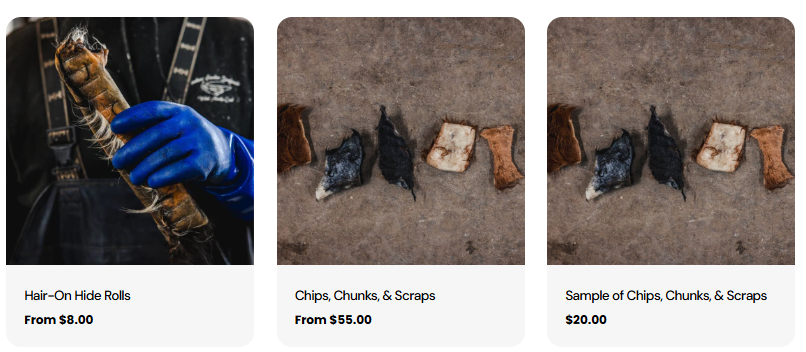
Whole beef hide products are one example of a durable chew. Their natural structure can create a firm chewing experience without requiring a complicated ingredient list.
The actual chewing time varies from dog to dog. An aggressive chewer may finish a product much faster than a gentle chewer, so supervision remains important.
Single-Ingredient Treats
Simple treats can appeal to pet parents who prefer a more straightforward approach to feeding. Single-ingredient products contain one primary ingredient, making the label easy to understand.
Beef-based chews, freeze-dried meats, and other minimally processed treats can fit into this type of routine, depending on the dog's dietary needs.
However, "single ingredient" does not automatically mean that a product is appropriate for every dog. Always consider allergies, age, chewing ability, and portion size.
Chews and Dental Care
Chewing a firm treat creates friction against the teeth, which may help remove some surface material during the chewing process. However, a chew should not be considered a replacement for brushing or professional veterinary dental care.
Regular dental checkups and appropriate oral hygiene remain important for maintaining your dog's teeth and gums.
If your dog already has dental problems or damaged teeth, ask your veterinarian whether firm chews are appropriate.
Safe Chewing Practices
Supervision should be part of every chewing session. Watch your dog while it works through the treat and pay attention to how it breaks down.
Remove the chew if it becomes small enough to swallow whole, develops sharp edges, or begins breaking into pieces that your dog could consume too quickly.
Fresh water should also be available. Store unused treats according to the manufacturer's instructions, preferably in a cool and dry environment.
A Natural Option From Ugly Chews
For pet parents interested in natural chewing products, Ugly Chews offers whole-hide beef chews along with other simple dog treat options. Its products are designed around straightforward ingredients and a practical approach to using beef hide.
The brand may be worth considering for dogs that enjoy longer chewing sessions. Select an appropriate size for your dog and always supervise the chewing process.
How to Add Chews to a Dog's Routine
Chews should complement your dog's regular complete diet rather than replace meals. Treat quantities should be considered alongside other snacks your dog receives throughout the day.
When introducing a new chew, start with a supervised session. Observe whether your dog handles the texture comfortably and whether it attempts to swallow large pieces.
If the chew works well for your dog, continue following the product's feeding recommendations and adjust portions as necessary.
Final Thoughts
Choosing a dog treats chew involves more than picking something your dog enjoys. Size, ingredients, texture, durability, and chewing behavior all affect whether a product is a suitable option.
A well-selected chew can provide an enjoyable activity and give dogs a constructive outlet for their natural chewing instinct. Keep portions sensible, select the right size, and supervise every session.
With these simple precautions, chew treats can become a rewarding addition to your dog's everyday routine.
- Managerial Effectiveness!
- Future and Predictions
- Motivatinal / Inspiring
- Fitness and Wellness
- Medical & Health
- Manufacturing
- Education
- Real-Estate
- Food Industry
- Hospitality
- Online Games
- Sports
- Home Services
- Civil Engineering
- Safety and Protection
- Software Products & Services
- Fashion and Jewellery
- Artificial Intelligence
- Entrepreneurship
- Mentoring & Guidance
- Marketing
- Networking
- HR & Recruiting
- Literature
- Shopping
- Career Management & Advancement