

 SkillClick
What Can You Do When Concrete or Clay Roof Tiles Begin to Fail in Las Vegas?
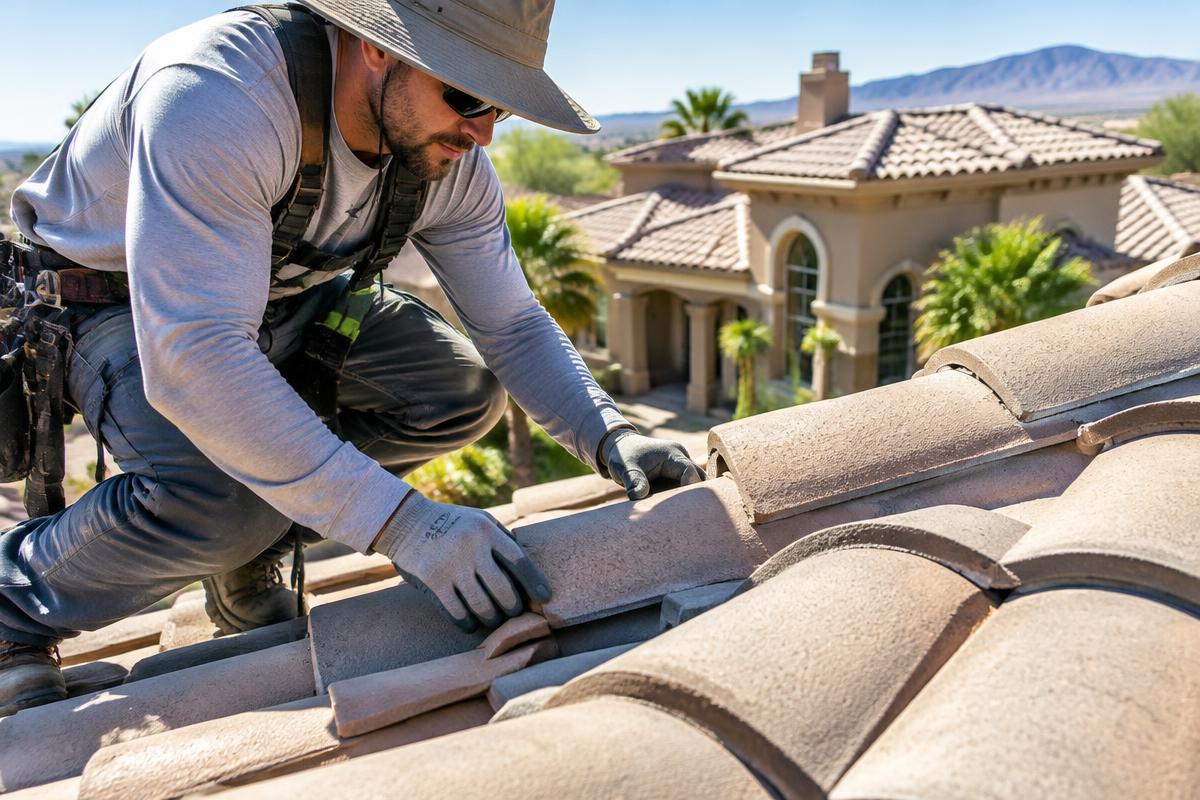
Concrete and clay tile roofs are valued for their durability, distinctive appearance, and ability to withstand demanding outdoor conditions. In Las Vegas, however, even a well-built tile roof is exposed to intense sunlight, heat, wind, dust, and dramatic temperature changes. Over time, those conditions can contribute to cracked tiles, loose pieces, damaged edges, or problems beneath the visible roofing surface.
When damage appears, replacing an entire roof is not necessarily the first or only solution. In many situations, carefully performed tile repair can address localized problems while preserving the existing roofing system. The key is recognizing what type of damage has occurred and determining whether the visible issue is isolated or connected to a larger roofing concern.
Why Tile Roof Damage Can Develop Over Time
Concrete and clay tiles are designed to provide long-term protection, but they are not indestructible. Physical impact is one obvious source of damage. A falling branch, maintenance activity, or accidental pressure on a tile can cause cracking or breakage.
Weather exposure is another factor. Las Vegas receives strong, persistent sunlight, and repeated heating and cooling can place stress on roofing materials. Although tile itself can be highly durable, surrounding components such as underlayment, flashing, sealants, and fastening systems may age differently.
Wind can also create problems. A tile that becomes loose may shift position, allowing moisture to reach areas that should remain protected. Once one section of the roof is compromised, water can sometimes travel beneath the surface before the interior shows any obvious sign of a leak.
That is why a damaged tile should not automatically be treated as a purely cosmetic issue. Its condition may provide an early indication that another part of the roofing assembly needs attention.
Which Tile Problems Usually Need Attention?
Not every imperfection has the same significance. Some problems are immediately visible, while others require closer inspection.
Cracked or Broken Tiles
A cracked tile can leave part of the roof surface vulnerable to weather. Small cracks may initially appear minor, but continued exposure can worsen the damage. A completely broken tile may create an obvious opening that should be addressed promptly.
Loose or Displaced Tiles
Tiles that have moved out of position can interfere with the way adjacent pieces overlap. They may also become more susceptible to additional movement during strong winds. A repair professional can determine whether the tile can be safely repositioned or whether replacement is necessary.
Damaged Edges and Corners
Corners and edges can be particularly vulnerable to impact. Even when the central portion of a tile appears intact, damage around its edges can affect how neighboring tiles fit together.
Deteriorated Underlying Materials
The visible tile is only one component of a roofing system. If moisture has reached the underlayment, decking, flashing, or other supporting materials, replacing a damaged tile alone may not resolve the underlying problem. An inspection can help identify whether the issue extends beneath the surface.
Why Matching Replacement Tiles Matters
Replacing a damaged tile is not simply a matter of finding something that looks approximately similar. Roofing systems depend on proper fit, overlap, alignment, and placement.
Concrete and clay tiles can vary in profile, dimensions, color, finish, and installation requirements. A replacement piece that does not fit correctly may create an uneven surface or interfere with water shedding.
For homeowners arranging repairs in Las Vegas, visual consistency may also matter. A noticeably different tile can stand out against the rest of the roof, particularly when the damaged area is highly visible.
A knowledgeable roofing professional can evaluate the existing material and determine the most appropriate repair approach rather than treating every tile as interchangeable.
What Should You Expect During a Tile Repair?
The exact process depends on the condition of the roof, but a proper repair generally begins with inspection rather than immediate replacement.
The damaged area should be evaluated to determine what caused the problem and whether surrounding tiles have also been affected. If a tile is broken, the technician may need to carefully remove the damaged piece without disturbing nearby materials.
Once the affected area is accessible, the underlying condition can be assessed. If there is no significant secondary damage, the replacement tile can be installed according to the requirements of the existing roofing system.
This is one reason homeowners should avoid assuming that a visible crack represents the entire problem. A professional repair is intended to address the source and extent of the damage, not simply make the roof look better from the ground.
When Professional Assessment Becomes Especially Important
Some roof damage is easy to recognize, but determining its full extent from ground level can be difficult. Walking directly across tile roofing without appropriate knowledge can also cause additional breakage.
If several tiles are damaged, a leak has appeared, or the roof has recently experienced significant weather exposure, professional evaluation becomes particularly useful. Homeowners may also want an inspection when they notice recurring problems in the same area.
For those looking for specialized Concrete & Clay Tile Repair in Las Vegas, NV, the most useful starting point is an assessment of the existing roof and the specific conditions affecting the damaged section. A targeted evaluation can help distinguish between a simple tile replacement and a repair that requires attention to materials underneath the surface.
Can Small Tile Problems Become Larger Roofing Issues?
They can. A damaged tile does not guarantee that a major roofing failure is developing, but ignoring a problem can allow additional deterioration to occur.
For example, a missing or broken tile may expose portions of the roofing system to moisture and environmental conditions for an extended period. If water enters beneath the surface, damage may eventually affect materials that are more expensive or complicated to repair than the original tile.
Loose tiles can present another concern. Once one piece moves, neighboring components may become more vulnerable. The longer the condition remains unresolved, the greater the possibility that additional tiles or supporting materials will be affected.
Prompt attention does not necessarily mean performing an extensive repair. It simply gives the homeowner an opportunity to understand the problem while it may still be localized.
How Can Homeowners Help Protect a Tile Roof?
Regular visual observation can help identify problems early. Homeowners can look for obvious signs such as missing tiles, visible cracks, unusual gaps, or pieces that appear out of alignment. Interior signs, including unexplained moisture marks or staining near ceilings, should also receive attention.
However, roof inspections should be approached safely. Tile surfaces can be fragile, and climbing onto a roof without proper equipment or experience may create both personal and property risks.
Keeping nearby trees maintained can also reduce the likelihood of branches striking the roof. After unusually strong winds or other severe weather, checking for visible changes can help identify damage sooner.
Maintenance should also consider more than the tiles themselves. Flashing, drainage areas, underlayment, and other roofing components contribute to the overall performance of the system. A roof can appear attractive from the street while developing a less visible problem underneath.
Repair or Replacement: How Is the Decision Made?
The appropriate solution depends on the extent, location, and cause of the damage. A few isolated broken tiles may be suitable for targeted repair, while widespread deterioration may require a more comprehensive evaluation.
The age and overall condition of the roofing system can also influence the decision. If repeated repairs are occurring across multiple areas, it may be useful to evaluate whether the roof has reached a point where broader work makes more practical sense.
A professional assessment should therefore consider the roof as a complete system rather than focusing exclusively on the most noticeable damaged tile.
A Careful Repair Can Preserve a Valuable Roofing System
Concrete and clay tile roofs can provide lasting performance, but their longevity depends on appropriate installation, maintenance, and timely attention to damage. In the Las Vegas climate, exposure to heat, sunlight, wind, and other environmental conditions makes periodic evaluation especially worthwhile.
The most effective repair strategy is not necessarily the most extensive one. When damage is localized, a carefully planned repair may help preserve the existing roof while addressing the immediate problem. When the damage extends beyond individual tiles, identifying that condition early can help homeowners make better decisions about the next step.
Rather than overlooking a cracked, displaced, or missing tile, homeowners can treat it as an opportunity to evaluate the condition of the roofing system. Understanding what caused the damage, checking the materials beneath the tile, and using appropriately matched replacement materials can all contribute to a sounder and more durable repair.
More details are available at: Rank Business Listings
- Managerial Effectiveness!
- Future and Predictions
- Motivatinal / Inspiring
- Fitness and Wellness
- Medical & Health
- Manufacturing
- Education
- Real-Estate
- Food Industry
- Hospitality
- Online Games
- Sports
- Home Services
- Civil Engineering
- Safety and Protection
- Software Products & Services
- Fashion and Jewellery
- Artificial Intelligence
- Entrepreneurship
- Mentoring & Guidance
- Marketing
- Networking
- HR & Recruiting
- Literature
- Shopping
- Career Management & Advancement