

 SkillClick
Hybrid Seeds: A Smart Choice for Modern Vegetable Farming
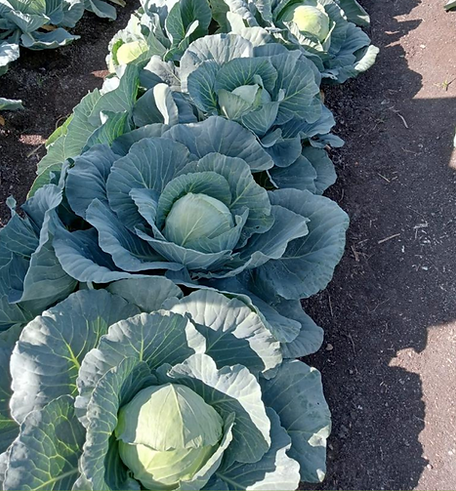
Modern agriculture is continuously evolving as farmers look for better ways to improve productivity, crop quality, and farm profitability. One important development in vegetable cultivation is the use of Hybrid Seeds. These seeds are developed by crossing carefully selected parent lines to combine desirable characteristics such as uniform growth, improved yield potential, quality produce, and adaptability.
According to agricultural research, hybrid vegetable varieties can offer advantages including earliness, uniformity, productivity, quality, and tolerance to certain biotic and abiotic stresses.
What Are Hybrid Seeds?
Hybrid Seeds are produced by controlled crossing between two genetically distinct parent plants. The resulting first-generation offspring, commonly called F1 hybrids, are developed to combine useful characteristics from both parents.
For vegetable farming, breeders select parent lines according to specific traits. Depending on the crop, these traits may include fruit size, shape, colour, maturity period, disease tolerance, plant vigour, and market suitability. The objective is to develop varieties that perform consistently when grown under suitable conditions.
Benefits of Using Hybrid Seeds
One of the major reasons farmers consider hybrids is their potential to provide more uniform crops. Consistent plant growth and produce size can make harvesting, grading, packaging, and marketing easier.
Another advantage is yield potential. Properly selected hybrids can contribute to improved productivity when combined with suitable soil preparation, irrigation, nutrition, and crop management. Research from ICAR also highlights productivity, uniformity, quality, earliness, and stress tolerance among important benefits associated with vegetable hybrids.
Hybrid varieties can also be developed for particular growing conditions. Farmers may select varieties according to their region, season, soil characteristics, water availability, and market requirements.
Choosing the Right Hybrid for Your Farm
Selecting the right seed is an important step before starting cultivation. Farmers should consider the crop's growing season, local climate, soil type, irrigation facilities, disease pressure, and expected market demand.
It is also important to follow the recommended sowing method and crop-management practices provided for a particular variety. Good seed alone does not guarantee a successful harvest because weather, nutrition, irrigation, pest management, and other farming practices also influence crop performance.
For commercial vegetable production, farmers should therefore compare available varieties and choose those suited to their specific conditions rather than selecting a hybrid based only on its advertised yield.
Hybrid Vegetable Seeds for Different Crops
Hybrid technology is used across many vegetable crops. Depending on the available varieties, farmers can find hybrid options for crops such as tomato, cucumber, chilli, watermelon, sweet corn, bottle gourd, bitter gourd, cauliflower, cabbage, okra, pumpkin, and other vegetables.
IRIS Hybrid Seeds provides a range of hybrid vegetable seed options for growers. Its vegetable seed collection includes crops such as tomato, hot pepper, cucumber, watermelon, sweet corn, bottle gourd, bitter gourd, and cauliflower.
Why Seed Quality Matters
Quality seed is the foundation of successful crop establishment. Farmers should source seeds from reliable suppliers and pay attention to seed quality, recommended cultivation practices, packaging information, and crop-specific guidance.
Proper storage is also important. Seeds should be protected from excessive moisture, heat, and unsuitable storage conditions to help maintain their quality until sowing.
Conclusion
Hybrid Seeds have become an important part of modern vegetable cultivation because they can provide useful characteristics such as uniformity, productivity, quality, and adaptability. However, achieving good results requires more than simply choosing a hybrid. Farmers should match the variety with local growing conditions and combine quality seed with proper irrigation, nutrition, pest management, and timely agricultural practices.
For growers looking for different vegetable hybrid options in India, IRIS Hybrid Seeds offers a range of products designed for vegetable cultivation. Farmers can explore the available varieties and select seeds according to their crop, season, and farming requirements.
- Managerial Effectiveness!
- Future and Predictions
- Motivatinal / Inspiring
- Fitness and Wellness
- Medical & Health
- Manufacturing
- Education
- Real-Estate
- Food Industry
- Hospitality
- Online Games
- Sports
- Home Services
- Civil Engineering
- Safety and Protection
- Software Products & Services
- Fashion and Jewellery
- Artificial Intelligence
- Entrepreneurship
- Mentoring & Guidance
- Marketing
- Networking
- HR & Recruiting
- Literature
- Shopping
- Career Management & Advancement