

 SkillClick
Medical Equipment Supplier in Nigeria: A Guide to Bulk Medical Procurement
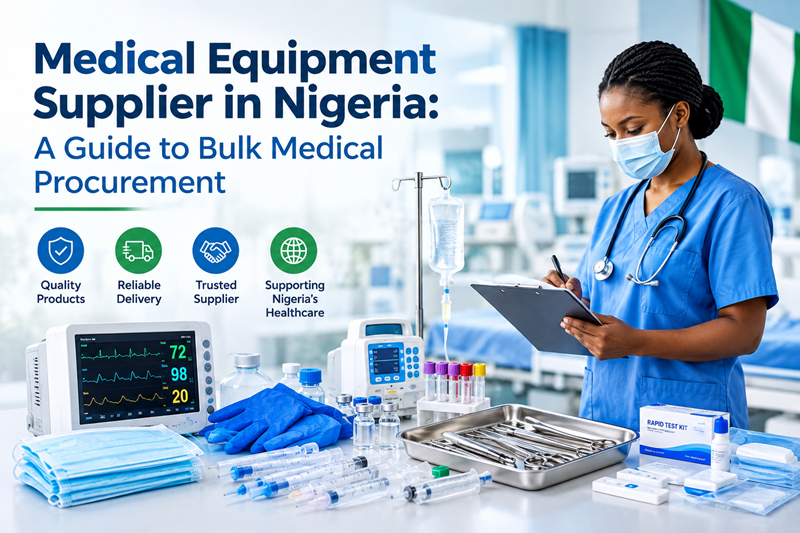
Nigeria has a growing need for reliable medical equipment and healthcare supplies. Hospitals, clinics, distributors, NGOs, wholesalers and government healthcare projects often need medical products in large quantities. For these buyers, choosing the right medical equipment supplier in Nigeria can make procurement easier, faster and more reliable.
Bulk medical procurement involves more than placing a large order. Buyers need to check product quality, specifications, documentation, packaging, delivery and supplier experience. This guide explains the key points buyers should consider when sourcing medical equipment for Nigerian healthcare facilities.
Understanding Bulk Medical Procurement
Bulk procurement means purchasing medical equipment, medical disposables, diagnostic products, surgical instruments or other healthcare supplies in larger quantities. Hospitals may need regular supplies, while distributors may purchase products for resale.
A good procurement process starts with a clear list of requirements. Buyers should identify the product name, quantity, size, material, technical specifications, packaging and intended use. Clear requirements help suppliers prepare accurate quotations and reduce mistakes during order processing.
Working with an experienced medical equipment supplier in Nigeria can also help buyers manage multiple products through one procurement process.
What Products Can Buyers Source?
Healthcare buyers can source many types of products for hospitals and medical facilities. Common categories include:
- Medical Disposables
- Surgical Gloves
- IV Cannulas
- Syringes and Needles
- Rapid Test Kits
- Diagnostic Equipment
- Patient Monitors
- Hospital Furniture
- Surgical Instruments
- Wound Care Products
- Laboratory Supplies
- Emergency and Critical-Care Equipment
A supplier with a broad product range can help buyers combine different healthcare products into one bulk order. This approach can simplify communication, documentation, packaging and shipment coordination.
Check Product Specifications Before Ordering
Product specifications play an important role in medical procurement. Buyers should not select products based only on price. They should review important details such as size, material, capacity, dimensions, technical features, packaging and intended application.
For example, an IV cannula order may require specific sizes and packaging quantities. A patient monitor may require details about parameters, display, power supply, accessories and other technical features.
Buyers should share their required specifications with the supplier before confirming the order. This step allows both sides to confirm that the proposed product matches the purchasing requirement.
Review Quality and Compliance Documents
Quality documentation helps buyers understand how a supplier manages products and procurement. Depending on the product and market requirements, buyers may request relevant certificates, test reports, declarations, product specifications and other compliance documents.
Manarti Exports follows quality management practices and supports international buyers with product documentation and procurement coordination. Its experience in medical product sourcing helps buyers review requirements before placing bulk orders.
Importantly, buyers should check product-specific compliance documents rather than assuming that a company's quality-management certification automatically certifies every product. Regulatory and conformity requirements can vary according to the product and destination market.
Why Supplier Experience Matters
Experience can make international procurement easier. An experienced supplier understands common challenges such as product specifications, export paperwork, packaging requirements, shipping coordination and communication with overseas buyers.
Manarti Exports works as a medical equipment manufacturer and supplier in India with more than 8 years of industry experience. The company offers a portfolio of more than 3,000 healthcare products and exports to buyers across 35+ countries.
This experience supports buyers that need multiple medical products from India for hospitals, distributors, importers, wholesalers and institutional procurement.
India to Nigeria Medical Equipment Export Process
Buying medical products from India involves several important steps. A typical procurement process can include:
1. Share Your Requirements:
The buyer sends product names, quantities, specifications and packaging requirements.
2. Product and Quotation Review:
The supplier checks the requirements and provides suitable product options and pricing.
3. Documentation Review:
The buyer and supplier discuss available product documents and applicable requirements.
4. Order Confirmation:
Both sides confirm specifications, quantities, payment terms, packaging and other commercial details.
5. Production or Sourcing:
The supplier arranges manufacturing or sources the required products according to the confirmed specifications.
6. Quality Coordination:
The supplier coordinates product checks and documentation according to the agreed requirements.
7. Export Packaging:
Products receive suitable export packaging to support safe international transportation.
8. Shipment Coordination:
The supplier coordinates the shipment and required export documentation with the buyer or logistics partner.
A clear process helps reduce confusion and keeps bulk procurement organized.
Bulk Procurement Support for Nigerian Buyers
Nigerian buyers may need more than one product category at the same time. For example, a distributor may require surgical gloves, IV cannulas, syringes, rapid test kits and hospital equipment in one purchasing cycle.
A reliable supplier can support this type of requirement through product sourcing, specification review, documentation assistance, quality coordination, export packaging and shipment coordination.
Manarti Exports also supports OEM and private-label options for eligible products and bulk orders. This can help distributors and businesses that want products under their own brand, subject to product and order requirements.
Serving Healthcare Buyers Across Nigeria
A medical equipment supplier can support procurement for buyers in major Nigerian cities such as Lagos, Abuja, Kano, Ibadan, Port Harcourt, Benin City, Kaduna and Enugu. Buyers can discuss their product requirements and delivery needs before confirming an order.
For large hospitals, distributors, wholesalers and institutional buyers, early planning can help secure the required products and documentation within the desired procurement schedule.
How to Choose a Reliable Supplier
Before placing a bulk order, buyers should ask a supplier about:
- Product specifications
- Available quantities
- Quality documents
- Packaging details
- Export experience
- Lead time
- Payment terms
- Shipping arrangements
- OEM or private-label options
- After-sales or procurement support
Buyers should keep written records of approved specifications and commercial terms. This creates a clear reference for both the buyer and supplier throughout the order.
Conclusion
Bulk medical procurement requires careful planning, clear specifications, quality checks and organized export coordination. Nigerian hospitals, distributors, wholesalers and institutional buyers can simplify procurement by working with an experienced international supplier that understands medical products and export processes.
Manarti Exports supports bulk healthcare procurement from India with a wide product portfolio, international export experience, product sourcing, documentation assistance, OEM/private-label options and shipment coordination. Buyers can contact the company to discuss their specific medical equipment and healthcare supply requirements for Nigeria.
Frequently Asked Questions
Q1. What should I check before placing a bulk medical order?
Ans. Check product specifications, quantity, packaging, quality documents, pricing, lead time, payment terms and shipping requirements.
Q2. Can Nigerian buyers source medical equipment from India?
Ans. Yes. Buyers can work with Indian medical equipment manufacturers, suppliers and exporters that support international procurement and provide the required export documentation.
Q3. Can I order multiple medical products from one supplier?
Ans. Yes. Suppliers with broad product portfolios can help buyers combine different medical equipment, consumables, diagnostic products and hospital supplies in one procurement process.
Q4. Does ISO certification mean every product has ISO certification?
Ans. No. A company quality-management certification and product-specific certification are different. Buyers should request documents applicable to the individual product and destination requirements.
- Managerial Effectiveness!
- Future and Predictions
- Motivatinal / Inspiring
- Fitness and Wellness
- Medical & Health
- Manufacturing
- Education
- Real-Estate
- Food Industry
- Hospitality
- Online Games
- Sports
- Home Services
- Civil Engineering
- Safety and Protection
- Software Products & Services
- Fashion and Jewellery
- Artificial Intelligence
- Entrepreneurship
- Mentoring & Guidance
- Marketing
- Networking
- HR & Recruiting
- Literature
- Shopping
- Career Management & Advancement